Editor’s note: This article was first published in November 2011, during the economic downturn. The company figures and models are from that year, including Airbnb’s listings and prices, home-swap sites with up to 7,000 homes in Spain, and thredUP’s boxes of children’s clothes. These companies have changed considerably since; thredUP is now a general resale marketplace.
In a previous article we looked at the kinds of profitable businesses around right now, which we could split into two sectors: those focused on luxury (luxury goods are still in demand) and those that help people save. Here we focus on startups that help users get something out of this tough economic period. That way, we aim to have demand for our business during the lean times and keep it once the economy improves.
As usual, we head to the United States and, with the help of Forbes, review startups that are seeing considerable success and whose business model could be brought to other countries. We’ve picked those that need little investment and whose content is mostly updated by the users themselves, which is very important because it means one less headache. Let’s begin:
1. Accommodation websites for travelers
Take Airbnb, a recently founded startup that already has more than 30,000 listings in 19,700 cities in 192 countries. Airbnb’s business idea is very simple. On one side there’s the owner willing to rent out an apartment, a room, a house or even rooms in a castle, with prices ranging from 40 euros to 900 euros a night (depending on location, luxury and so on).
On the other side are travelers who don’t want to stay in a hotel and would rather sleep somewhere different, sometimes rural and sometimes central, with better views than a hotel and more freedom of movement. In many cases the traveler gets a cheaper price than a hotel room. Naturally, Airbnb takes a small commission as the intermediary.
2. Discount coupon startups
We’re not talking about the Groupon business model or anything similar, because Coupon.com goes much further. Coupon is a website offering products as varied as drinks, butter, baby clothes, office furniture, professional services and more.
There must be something that sets them apart from Groupon, since they’ve just raised $200 million to expand their business model. Although we’ve said before that the discount coupon business model may not be sustainable, I’m sure there are still ideas that could be brought into the system. It’s a matter of finding them.
3. Selling used electronics
If you have an old PlayStation you no longer use because you’ve got the new version, or an iPad 2 you want to swap for the new one, you don’t have to store or throw away your old products. There are sites like Glyde.com that specialize in buying and selling secondhand tech products. You can also buy DVDs, games, laptops, desktop computers and so on, with the added advantage that you get 48 hours to try the product and, if you’re not satisfied, you can return it at no cost to you.
Another similar site that also buys used tech products (mobile phones, Blu-ray players, hard drives, video games and so on) is Gazelle.com. You send them your item and, once they’ve checked it’s in good condition, you get paid in about a week. For buyers, Gazelle has now become synonymous with quality in the United States, making it a worthy competitor to eBay when it comes to secondhand tech.
4. House swapping
We’ve talked about this business idea before, and we even put together a list of ways users can save money on vacation through these sites. Some sites already have as many as 7,000 homes in Spain. The idea is that if a traveler from France wants to visit Spain with free accommodation, they look for a family in Spain that wants to travel to France. It’s essentially a vacation swap between two different destinations. With the site’s search engine, the process takes just a few minutes. You can see the full list in our article: House swapping and other ideas.
5. Children’s clothing by the box
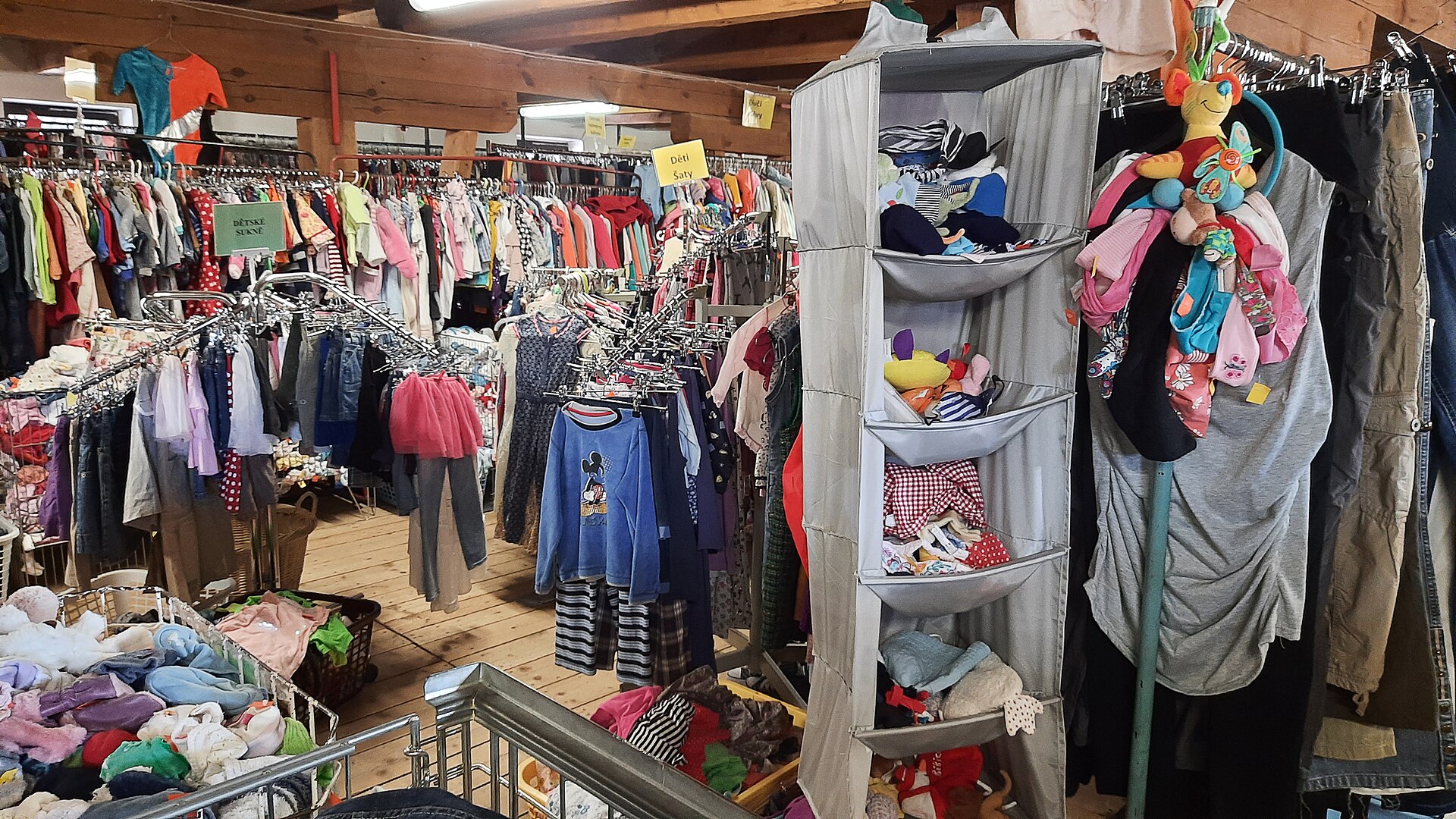
This one is my favorite, and it’s a very profitable business for both the startup and the user. As we all know or can imagine, children are a huge expense from the day they’re born. Clothing is an even bigger one, because children grow very fast and outgrow their clothes.
Thousands of parents across the country are in exactly the same situation, some with three-month-old babies and others with nine-year-olds. Thredup solves this problem by helping these parents save money: for $5 plus shipping, you can choose a box of clothes for your child’s age, and at the same time sell the clothes your child will no longer wear. In other words, this startup can bring your spending on your children’s clothes down to $5 a year.
Further reading
- Business trends for the coming years
- Business tourism
- Business ideas related to love
- Tourism for gay and lesbian travelers
Featured image: MAKY.OREL, CC0 1.0, via Wikimedia Commons.