

Editor’s note: This article was first published in February 2014. Trick 11 describes loyalty cards as only now reaching clothing stores, which reflects the situation in 2014.
You’ve probably walked out of a store more than once having spent more than you planned. More and more businesses, small ones included, use all kinds of techniques and tricks to boost sales and make more money from the customers who walk through the store. Some people think sensory marketing and neuromarketing are only for big shopping malls, but that couldn’t be further from the truth.
Clothing stores, supermarkets and retailers in general can apply many of the techniques below.
1. The shopping cart
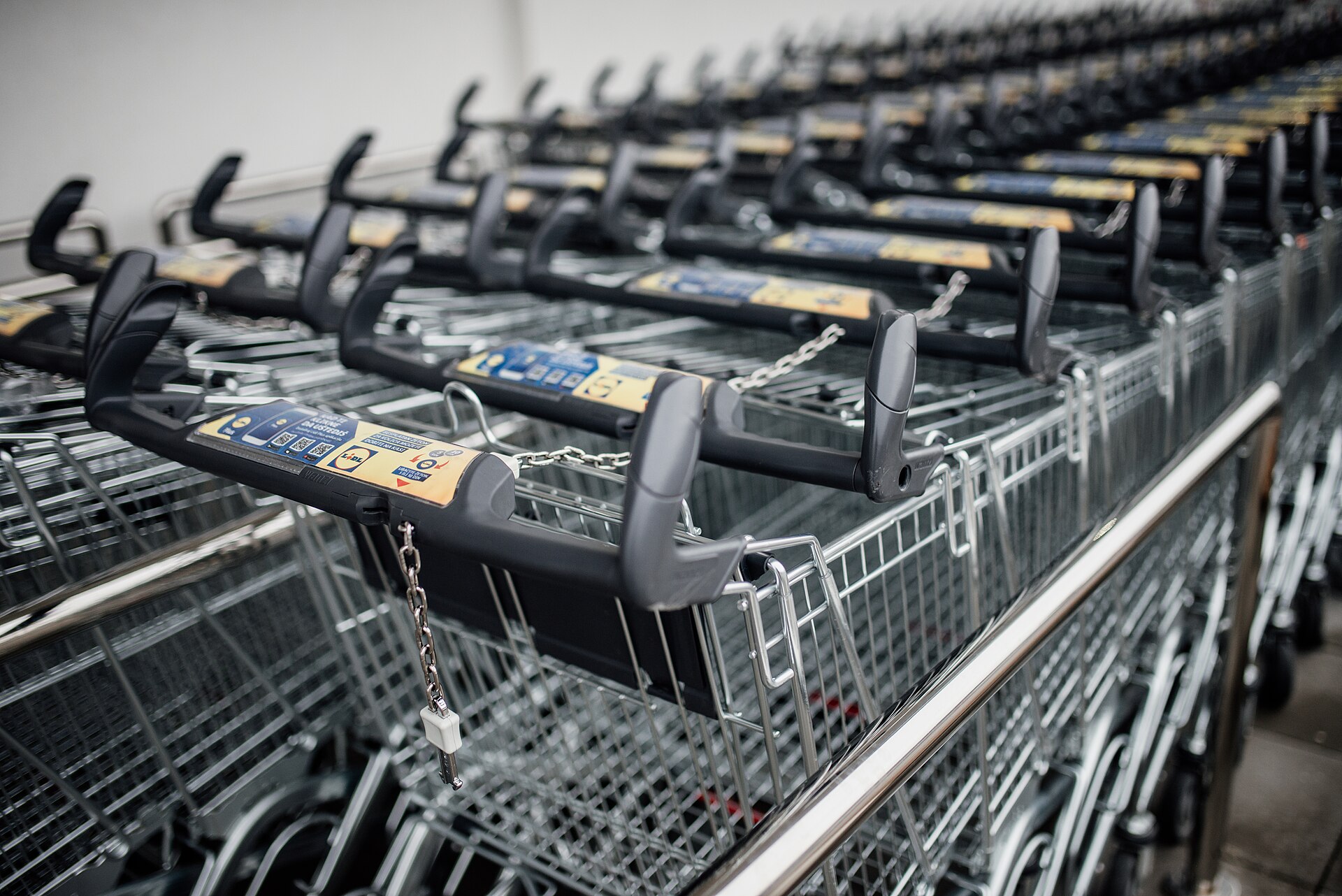
You may have noticed that more and more small shops now offer shopping carts. The cart was designed in the late 1930s to help customers buy more with less effort: because they don’t have to carry everything, they lose the sense of having bought more than they need. With a cart, your shopping never feels heavy, however much you buy.
2. High-margin products first
Especially in supermarkets, the products with the highest profit margins are placed near the entrance, while the cart is still empty, because at that point the urge to shop is still intact and running high.
3. Flowers and bakery near the entrance
Even if you don’t sell flowers, put some near the entrance. Large supermarkets place flowers and the bakery there because, according to experts, those smells activate the salivary glands, which encourages impulse buying.
See also: 8 signs you might be a compulsive shopper
4. Essentials at the back
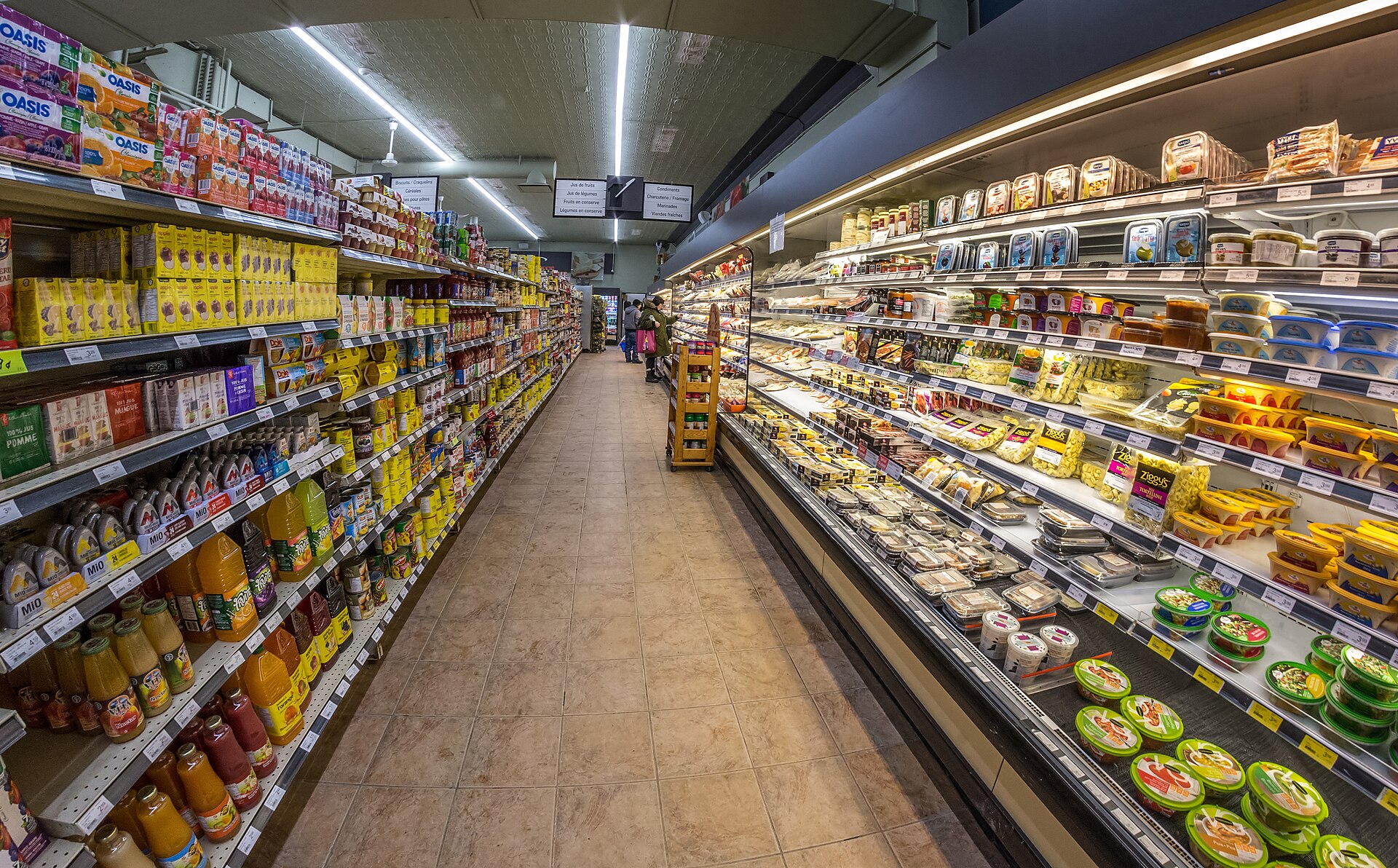
This is probably the best-known trick of all: even if you only want two loaves of bread and a liter of milk, you’ll have to walk past aisles packed with cookies, alcohol, tempting perfume deals and new products.
5. You don’t move around the store as freely as you think
Large chains make customers move in the same direction as traffic flows in that country. As a rule, that means from right to left. Since people drive on the right in Spain, shoppers look at and buy more of the items on the right-hand side of the aisle. In England, where people drive on the left, it would be the other way around.
6. Products at eye level
Toys, games and cereals are almost always placed on the lower shelves, at children’s eye level and within their reach, so they’ll grab them and pressure you into buying. In the same way, the products with the highest margins are placed at a height where they’re easy to see and pick up.
7. Exterior and interior colors affect the urge to buy
Stores whose exterior uses warm tones such as red, orange and yellow draw people in, but once they’re inside, cool colors like blue and green encourage them to spend more.
8. Music drives spending, but which music?
Studies show that slow music makes people shop at a leisurely pace and, just as in casinos, the longer you stay inside, the more you spend. Classical music encourages more expensive purchases, while fast music tells you to hurry up because it’s closing time.
9. Limited-time offers work
A deal encourages spending on its own, even when the discount isn’t real. On top of that, “50% off until the end of the month” creates a sense of urgency to buy.
10. The checkout line is the most profitable spot
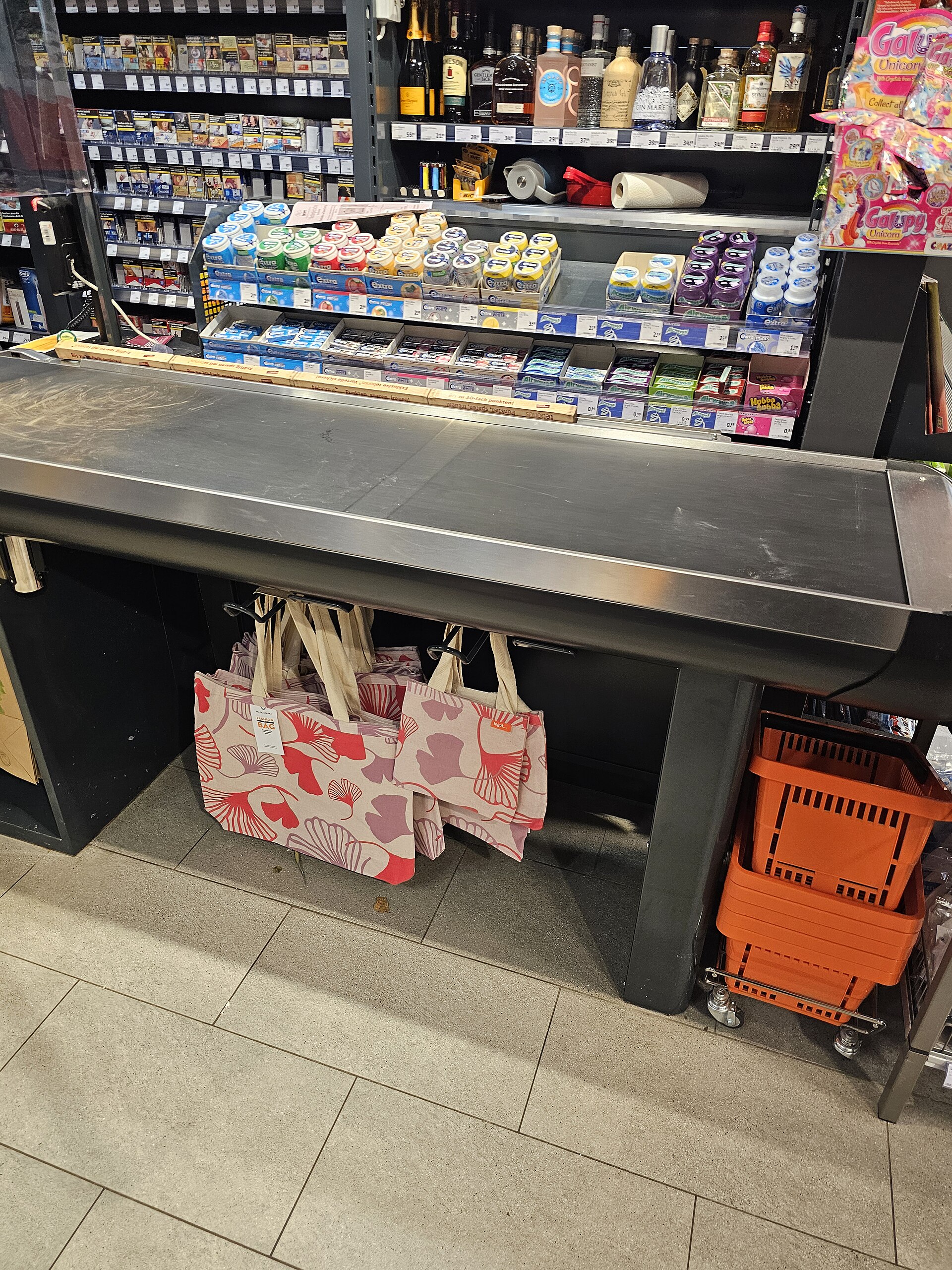
Sweets, magazines and plenty of other products are waiting for us to look at them while we stand in line at the checkout. I recall a study in one country where chewing gum was taken away from the checkout and it barely sold. Once it was put back where people stop and pass at the checkout, gum sales rose by more than 1,000%.
11. Points cards that earn rewards
Every kind of business should learn this one, because it’s probably one of the best ways to secure repeat customers: there’s nothing people like more than getting a gift for money they were going to spend anyway. Gas stations, supermarkets and now clothing stores use this well-known trick to keep customers coming back.
Further reading
- 10 psychological techniques to sell more by exploiting how customers’ brains process information
- 3 ways to grow your business and reach its full potential
- 9 marketing strategies that cost next to nothing
Featured image: Wilfredor, CC BY-SA 4.0, via Wikimedia Commons.





