There is a famous old saying: “Lend money to a friend and you lose both the money and the friend.” And it doesn’t have to be a large sum. Sometimes a small, simple amount, followed by difficulty paying it back, is enough to create a certain awkwardness, and not necessarily on the borrower’s side.
In a previous article I set out the reasons why I won’t lend you money.
Personally, when someone asks to borrow money, my default answer is NO, although I have obviously made exceptions. And even more obviously, in 50% of those exceptions the saying came true: “I lost the friend and the money.”
So here are some very basic tips I usually recommend. They don’t always have to be followed to the letter, but they are advisable wherever possible.
Steps to follow when lending money to friends and family
1. Don’t hesitate to say NO
You have absolutely no obligation to give your money to anyone, especially money you worked hard to earn or saved through sacrifice. Very often you are making a dangerous investment with a lot of risk and zero reward.
Follow your intuition, and if you don’t feel comfortable lending money to that particular person, just say NO. If your friend falls out with you because you won’t lend them money, bear in mind that you would most likely have ended up in the same place anyway, only without the money you lent. Think very carefully about who you are considering helping.
See also: Why we should listen to our intuition, and when we should ignore it
See also: 4 personal finance rules from the professor who teaches his students to make $100,000 in six months
2. Don’t give in to emotional blackmail
People who need money will sometimes paint their situation as much worse than it really is, tears included. When you see someone with that level of drama, consider that, having reached that point, their situation is more likely to get worse than better, so the chances of getting your money back in the short to medium term will be fairly low.
Of course, if you want to do an act of charity, that is another story.
3. Don’t use your own savings
Only lend an amount you can afford to lose if the money is not paid back, because there is a real chance it won’t be.
If you have a savings or investment product, don’t take the money out of it, and don’t use the money set aside for your emergency fund either: that money is there precisely for emergencies (yours).
4. If you lend the money, don’t rub it in
If the money is going to come with a little lecture criticising that person’s financial skills, what a poor businessman they are, how foolish they are and so on, don’t lend it. They will take the money, but they won’t really be grateful to you; they will feel humiliated by you.
And if they do pay you back one day, how they felt about you will stay with them. You can, of course, offer some advice politely.
5. Draw up a contract
Most people forget that lending money is almost never simply a matter of friendship. It is a financial transaction with dismal repayment statistics. So try to handle it professionally.
Keep it friendly, but put it in writing: a piece of paper stating that we have lent “so-and-so” €1,000 and that they undertake to repay it by the agreed date. Having it in writing, with a copy for each party, at least reminds one person that they owe money and the other that they are owed money.
And if things go wrong, at least you have a document you could use in legal proceedings. However, as a kind of reverse motivation, bear in mind that if that person loses their job and has no income, no judge is going to seize anything of theirs to pay you.
All that person would need to do is tell the judge that they acknowledge the debt and intend to pay it, but cannot do so right now.
6. Imagine the worst-case scenario
When we lend money to friends or family, things don’t always turn out as planned, so you should ask yourself a few questions:
- Could I get by without it affecting me if the money is never paid back?
- What conflicts would it cause me if I’m not repaid?
- Apart from the money, what else would I lose if I stopped seeing this person because they felt uncomfortable owing me money? Sometimes we lose not only the friend but everything that comes with that friend.
7. Have some security
This part may sound harsh, but if it is a friend we want to help yet something tells us we can’t trust them too much, some people lend the money on condition of a pre-contract in which the borrower puts something in our name (a car, a motorbike…).
It may seem like extortion, but it is a way of having the right, though not the obligation, to recover all or part of the money through another asset if that person fails to pay and we lose our money.
It may also lead to an interesting conversation:
“Why are you asking me for that? Don’t you trust me?”
“Of course I trust you, it’s just a formality. If you’re going to pay me back, what are you worried about?”
That said, it is better not to get to this last point, because the situation it creates is uncomfortable in itself. Much more uncomfortable than simply saying up front that lending money is not part of our financial values.
See also: 17 tips to improve your personal finances
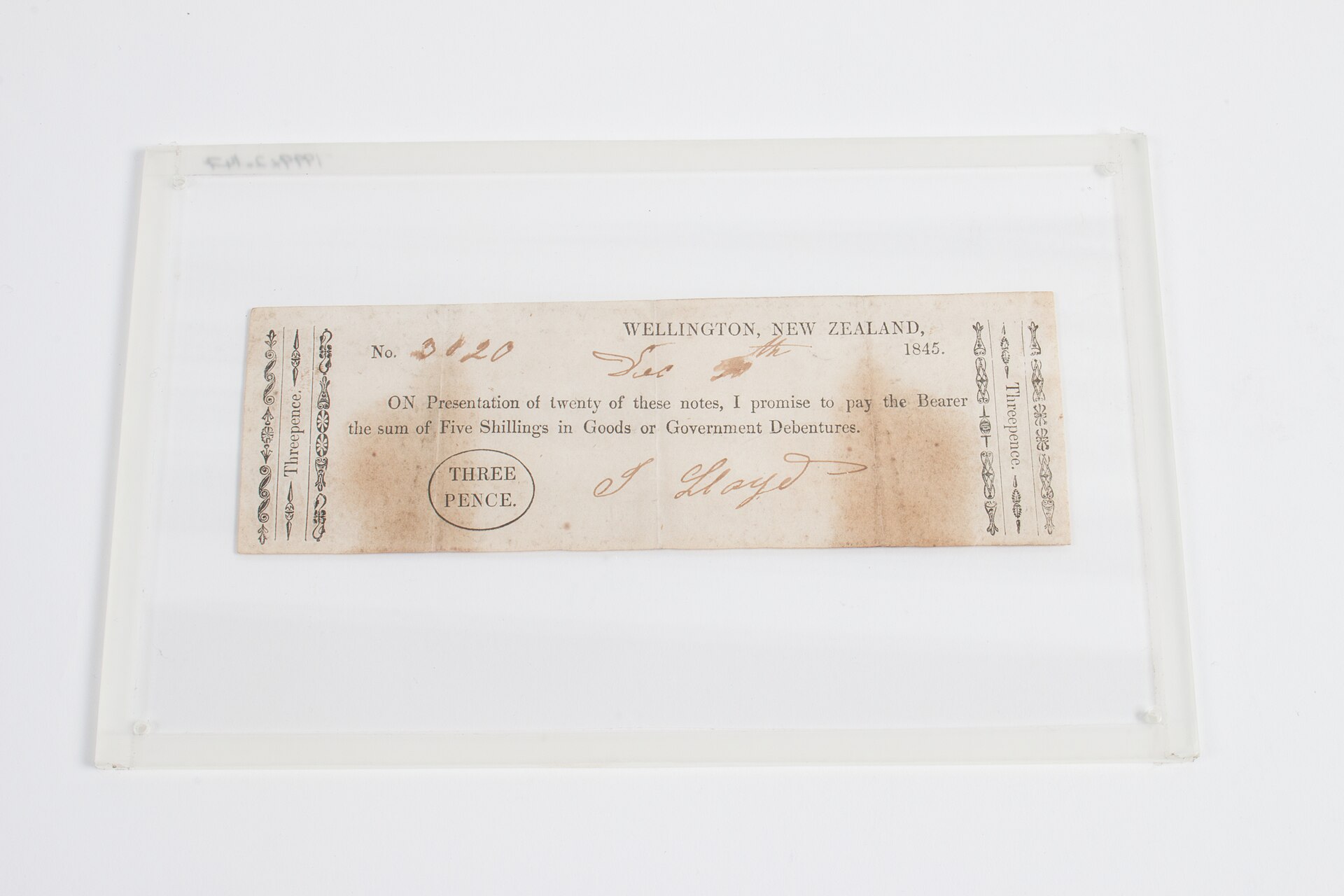
Featured image: Auckland Museum, CC BY 4.0, via Wikimedia Commons.