

Editor’s note: This article was first published in November 2016, and its prices and incomes are from 2016 in Spain: workers earning under €18,000 a year, a €40,000 Mercedes, the author’s €1,800 second-hand car, and €30,000-40,000 cars bought on instalments.
It’s true that a large segment of society still puts pressure on people in this respect, because the car someone drives can be seen as a kind of “calling card”, a symbol that accurately reflects that person’s level of financial success or what they have achieved in life.
Smart people know that isn’t so. At least not in most cases. From a financial point of view, a car is the worst investment you can make in life, because it is the fastest-depreciating asset there is, an asset whose future price always tends towards zero.
The price tag on a vehicle is not a reliable indicator of financial success at all. And you can see examples everywhere.
Young people between 18 and 25 driving a BMW and all kinds of high-end vehicles. They aren’t known for running hugely successful businesses, and in many cases they don’t even have well-paid jobs (or jobs at all).
Not to mention that, often, many of these young people (and some not so young) have income from illegal activities, in which case the least intelligent thing they could do is draw attention to themselves with a high-end car.
People who work on a factory floor or in construction, earning less than €18,000 a year, but who own a pretty expensive two-seater. Is that supposed to impress us?
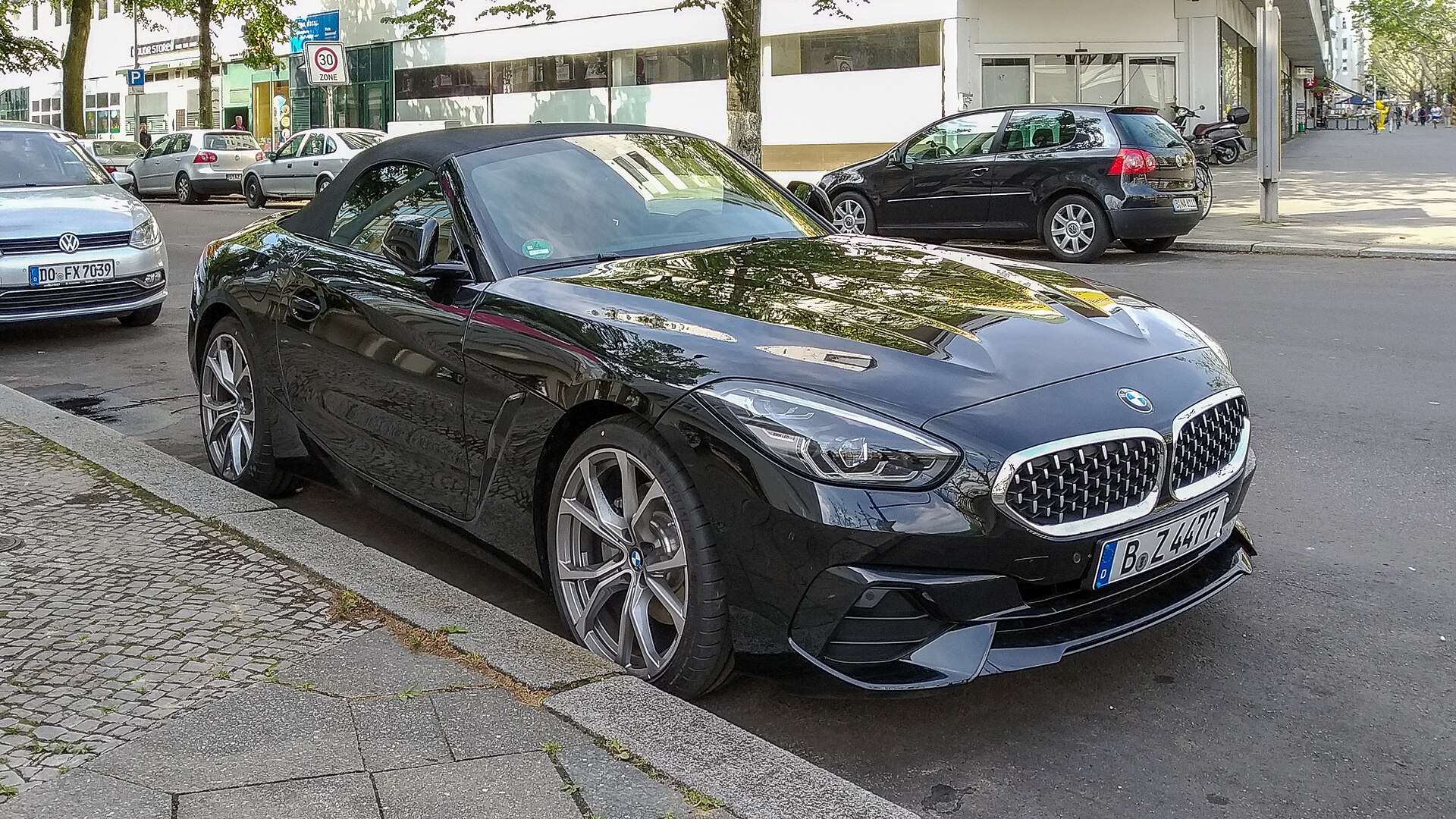
I know a couple who bought a brand-new €40,000 Mercedes (him) and a BMW Z4 (her) at a time when their finances seemed to be going quite well, judging by the “investment in mobility” they made. I stopped hearing from them the day the bank foreclosed on the house they lived in. Although I don’t know exactly what caused them to lose their home, if they had driven more modest cars that didn’t require such high monthly payments, perhaps they could still be living in it today.
So, clearly, you can’t tell a person’s level of financial success or the size of their bank account from the kind of car they drive.
In many cases, what you can gauge, from a psychological point of view, is how insecure a person is or how easily influenced they are. I’m not saying that everyone who owns a high-end car is insecure and easily influenced, but I can say that if you drive a car whose cost puts your ability to save at risk, or whose payments you couldn’t keep up with if you lost your job tomorrow, you have bought something beyond your financial means. And that isn’t smart.
Why do we buy cars we can’t afford?
The truth is that most of us could buy a €30,000 or €40,000 car and pay for it in instalments. Personally, though, my current car cost me €1,800 second-hand, with 70,000 kilometres on the clock and very well looked after. And do you know the best part? It gets me from A to B on the journeys I need to make these days. It does that just as well as those €40,000 cars.
I used to worry about parking in certain parts of the city in case someone scratched my car. I ended up with the extra cost of car parks. It even bothered me if someone sat on the bonnet. Now I don’t much care if it gets scratched or if someone sits on the bonnet. I have no emotional attachment to the car.
And if anyone thinks a second-hand car ends up costing more in repairs than a new one, I believe we have already debunked that idea from a financial point of view. (See: Why keeping your old car pays off better than buying a new one)
Can you stand it when your friends and acquaintances show off their supercar and compare it with yours? Can you take the jokes because you don’t drive a BMW?
In my case, I couldn’t care less. Some people criticise my point of view on the grounds that I don’t like cars and therefore don’t appreciate the power of a good one. And it’s true, I don’t know much about cars, even though I had clocked a million kilometres on the road before I turned 30.
But I do understand and enjoy, for example, the company of a woman, and that doesn’t mean I feel the need to hire luxury escorts (or mid-range and budget ones either 😊).
Finally, in a high percentage of cases cars are used as a tool to impress, or as a simple and costly whim, and in that case I don’t know which is more dangerous from the point of view of financial intelligence (or plain intelligence).
While many luxury car owners will keep shouldering hefty monthly car payments for years to come for the privilege of commuting in style and elegance, the rest of us will keep driving a car for what it is (a means of getting around) and use the money we don’t spend on our financial goals, and so reach financial freedom.
See also: How this 23-year-old Google employee saves 90% of his salary
So, rather than being impressed by someone driving a high-end car, ask yourself: Have they paid it off yet? How much is their monthly payment? How much do they still owe?
Because even if you drive a second-hand car worth €1,000, in many cases you end up owning more car than the owner of the high-end vehicle, whose only advantage over you is €18,000 or €25,000 more debt.
See also: Dear friend: 11 reasons I won’t lend you money
Featured image: Matti Blume, CC BY-SA 4.0, via Wikimedia Commons.



