

Editor’s note: This article was first published in August 2015; its figures for repair costs, monthly car payments and an emergency fund are as of 2015.
A long time ago someone gave me a piece of advice: “If you’re going to buy a car, buy a new one, and buy another new car before it starts giving you trouble, so that you’re always paying off a new car.”
That was bad advice, because what it proposed was making car payments forever, which from a personal finance point of view is a bad idea.
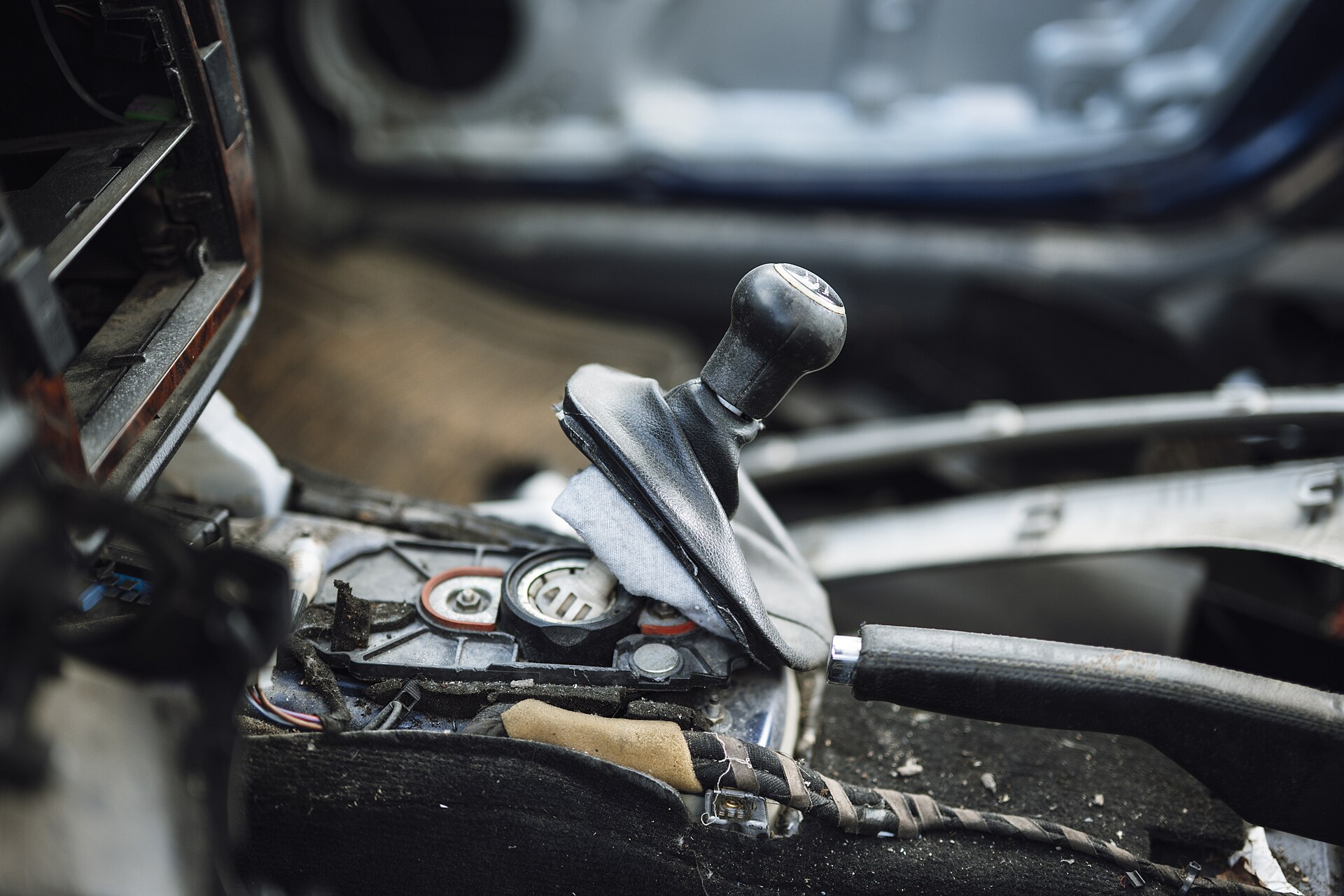
It’s true that an old car will probably need to go into the garage now and then, and that we’ll have to change the tyres or belts, deal with unexpected breakdowns, and so on (I don’t know much about engines and cars).
When the time comes for the ITV (Spain’s compulsory vehicle inspection) and we find we need to make some repairs, or when the car goes into the garage and we’re handed an €800 bill, we may get worked up and think it’s time to buy a new car because the old one is going to end up costing us more. But if we do the maths, that’s probably not the case.
*One clarification before I go on: if you need a car because your job keeps you on the road, or if things have reached the point where you’re the one carrying the car on your back instead of the car carrying you, then without a doubt the best option, for your own safety, is to get rid of that car and buy another one.
But in normal cases, it’s a question of doing the maths.
Let’s suppose that over the course of a year, with a couple of breakdowns and repairs, we’ve spent €800 on the car, and that one year it might be €1,200 and another year €400. Or maybe you don’t spend anything at all. Let’s say an average of €600 a year.
Seen that way, when the garage bill arrives and it’s €600, it looks like a lot of money, but if we divide it up, the car has really cost us €50 a month over that year.
Now let’s think about how much the monthly payment would be if we decided to buy a new car on finance. It would certainly be more expensive.
And let’s not forget that, in financial terms, a car is the asset that loses value fastest and the worst investment we’ll ever make in our lives; remember that its only use is to get us from point A to point B. As long as it does that job, fine.
How to improve your finances while keeping your old car
-
First, think about setting aside a small emergency fund for unexpected breakdowns and repairs to the car. Say €2,000 or €3,000, and with that you’ve already got peace of mind.
-
Imagine you’ve bought a new car, and every month save the money you would have paid on that new car’s monthly instalment, which would probably be somewhere between €150 and €300 (maybe more, maybe less, depending on the model you had in mind).
Either of these approaches works. If we put money into our account with future breakdowns in mind and they never happen, at least we’ve forced ourselves to save money, which is a good start for our financial education.
In short, in normal cases keeping an old car pays off better than buying a new one, not to mention that when you have an old car you don’t worry so much about fully comprehensive insurance, about it getting scratched, or about having to park it in a car park because you don’t feel comfortable leaving it on the street.
See also: Financial education in 15 easy-to-follow points
Featured image: Nenad Stojković, CC BY 2.0, via Wikimedia Commons.



