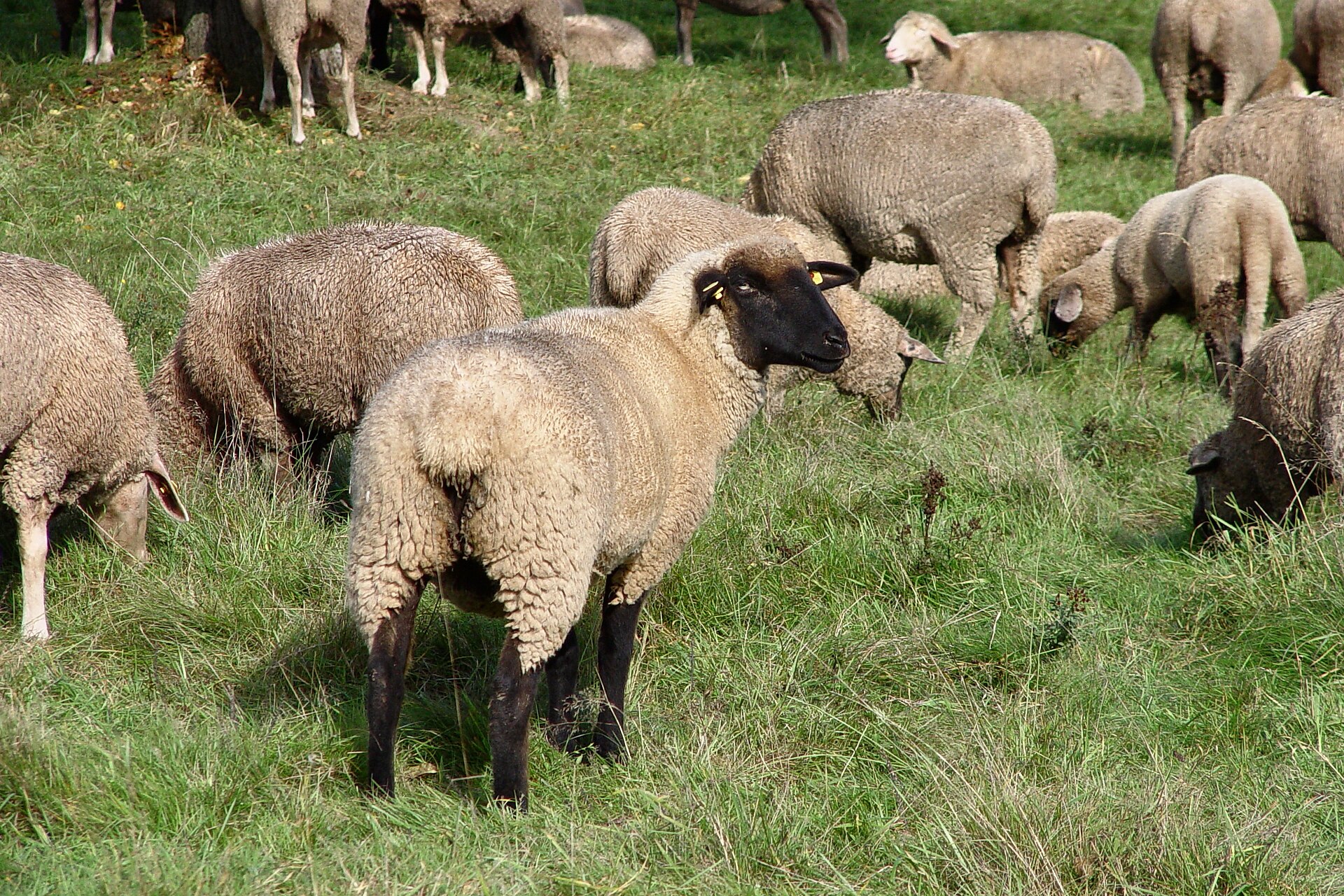
The formula for success seems to be very well defined: have a goal or purpose, acquire the knowledge you need for it, draw up a plan to achieve that purpose, stop procrastinating (putting things off) and take action (as long as you don’t take action, you haven’t really decided), be disciplined in your actions and in your life, and persist until you get there.
At least on those steps, every single personal development author agrees, as does every single one of today’s billionaires. See: 16 things that stop you getting rich, according to Napoleon Hill, who spent his life studying 500 millionaires.
Whether this formula for success seems easy or hard to you, there is another decision successful people make, and the rest of us seem to find it a little harder. Successful people don’t just work harder and leave their comfort zone; they also avoid following the herd at all costs.
If you wonder why you aren’t successful in life, why you have a job you don’t like, or why you are a mediocre investor, it is very likely that you are following the herd.
Let’s go back to our high school days. Most kids shut out the smartest students in the class (let’s call them nerds). The nerd probably doesn’t go to the parties thrown by the “cool” kids, or do what everyone else does in their free time after school.
But make no mistake: years later, the odds of success will be on their side, and it is very likely that the person you once shunned is now far better integrated into society than you are. In fact, as Bill Gates put it, don’t laugh at nerds, because you will very probably end up working for one.
Thomas C. Corley, author of Rich Habits, is clear about it: most people don’t succeed because they don’t break away from the herd. It is the herd that holds us back.
But why do we tend to follow the herd?
It is probably a remnant of a genetic inheritance from our ancestors, which is why breaking away from the herd is a harder habit than people think.
This is how Corley explains it: we are genetically predisposed to want to blend in and belong to a herd. It is a by-product of the evolution of the human genome during the early part of our existence as humans, because if humans belonged to a herd, they were safe from predators. The herd mentality ensured the survival of our species.
Today we can see how most highly successful people have completely destroyed that habit: in Corley’s words, they break away from the herd, create their own herd and then invite others to join it.
While the middle class and the poor seek emotional, psychological and physical comfort, successful people are very clear that success is not easy, and that comfort won’t get you there. Nor will the herd.
(See: The 4 most striking differences between how the rich and the middle class and poor think)
We tend to copy the actions of the people around us. Sooner or later, our environment ends up dragging us along unless we change it. It may sound repetitive, but we can’t do what everyone else does and expect to get different results.
See also: The importance of the people you surround yourself with, as you’ve never had it explained
For example, if your group of friends lacks ambition and has all the free time in the world, while you are more ambitious and want to work on a project, you won’t be able to keep up with that group if you want to reach your goal. In fact, they will very likely end up dragging you down with them.
Part of the road to success involves making some sacrifices: learning while others are having fun, and working hard while others rest. Only then, one day, thanks to those sacrifices, will you be able to have exactly the life you wanted and achieve some things that others can only wish for. And to do that, you have to avoid doing what the herd does, creating your own herd along the way: one that is more in tune with your interests and goals.
See also: The 5 most important steps millionaires took on their way to success
Featured image: KaiBorgeest, CC BY-SA 4.0, via Wikimedia Commons.