Editor’s note: This article was first published in February 2011. The crisis we are living through, the predictions (years of deflation and unemployment for Spain, a new wave of emigration, 11 million US mortgage defaults, a bigger second recession), Roubini’s fees and the description of Asia as the most emerging continent all reflect that moment.
The three economists most in demand by governments, central banks and TV shows give us their view of the crisis we are living through. They are hated, feared and even insulted, but when they speak, everyone listens. They are the gurus of the crisis: Paul Krugman, Nouriel Roubini and Joseph Stiglitz, and here are their predictions.
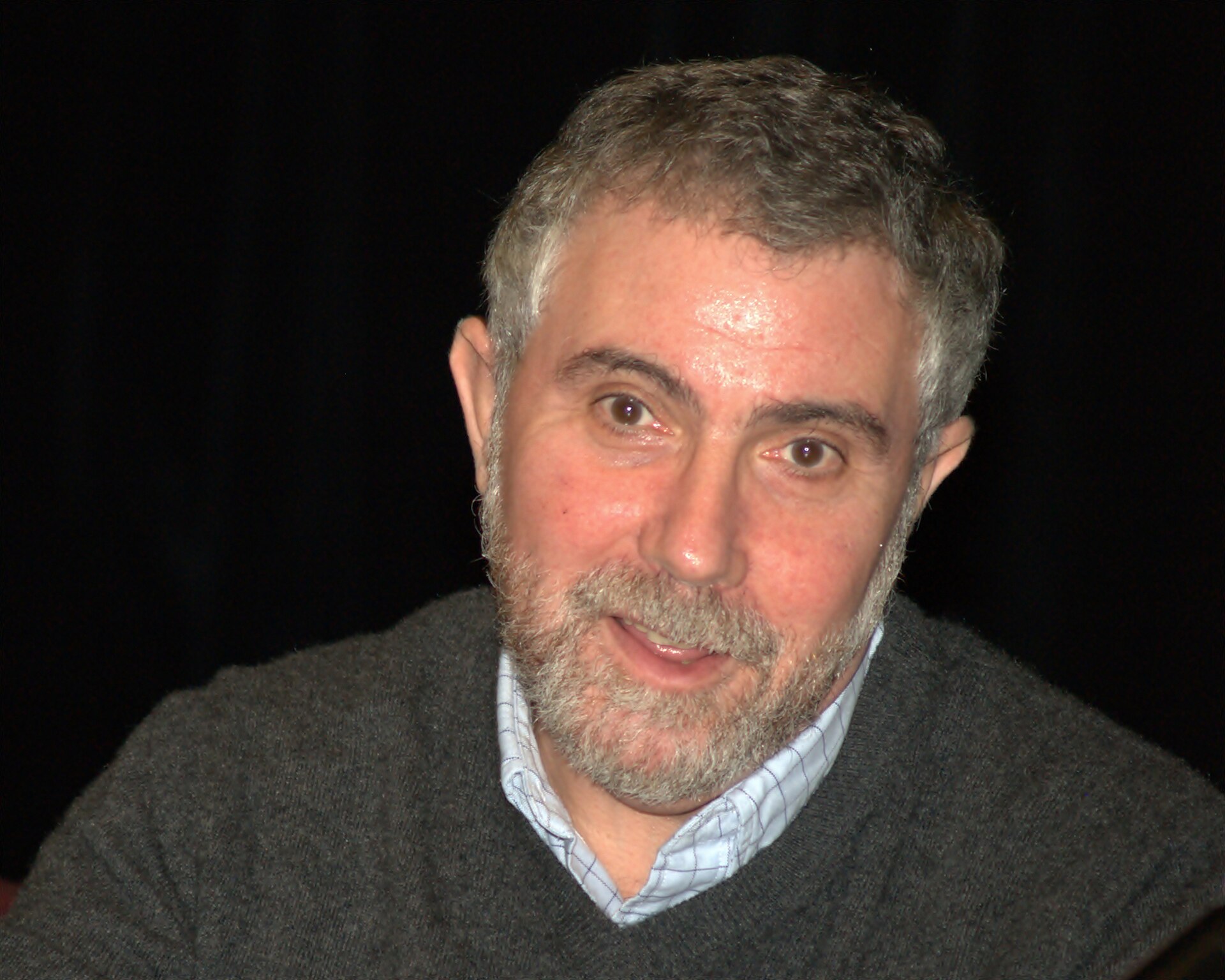
Paul Krugman: the most hated
Born in 1953, he is known for his coolness and his ironic remarks. He worked as an adviser to US presidents Reagan and Clinton. Later he worked for the multinational Enron, whose collapse was the biggest corporate fraud in history, although, according to Krugman himself, he was a consultant to the company and didn’t know what they were doing with the books.
Paul Krugman won the Nobel Prize in 2008, although he was already giving lectures all over the world before he won it.
His view of the crisis:
Greece and Ireland are only the tapas. The main course is Spain, which is a prisoner of the euro. If Spain had had its own currency, it could have devalued it to regain competitiveness, but now it is condemned to years of deflation and unemployment.
All Spain has left is internal devaluation: cutting wages, prices and welfare benefits. Spain will once again produce a generation of emigrants, as it did in the 1960s.
Nouriel Roubini: Dr. Doom
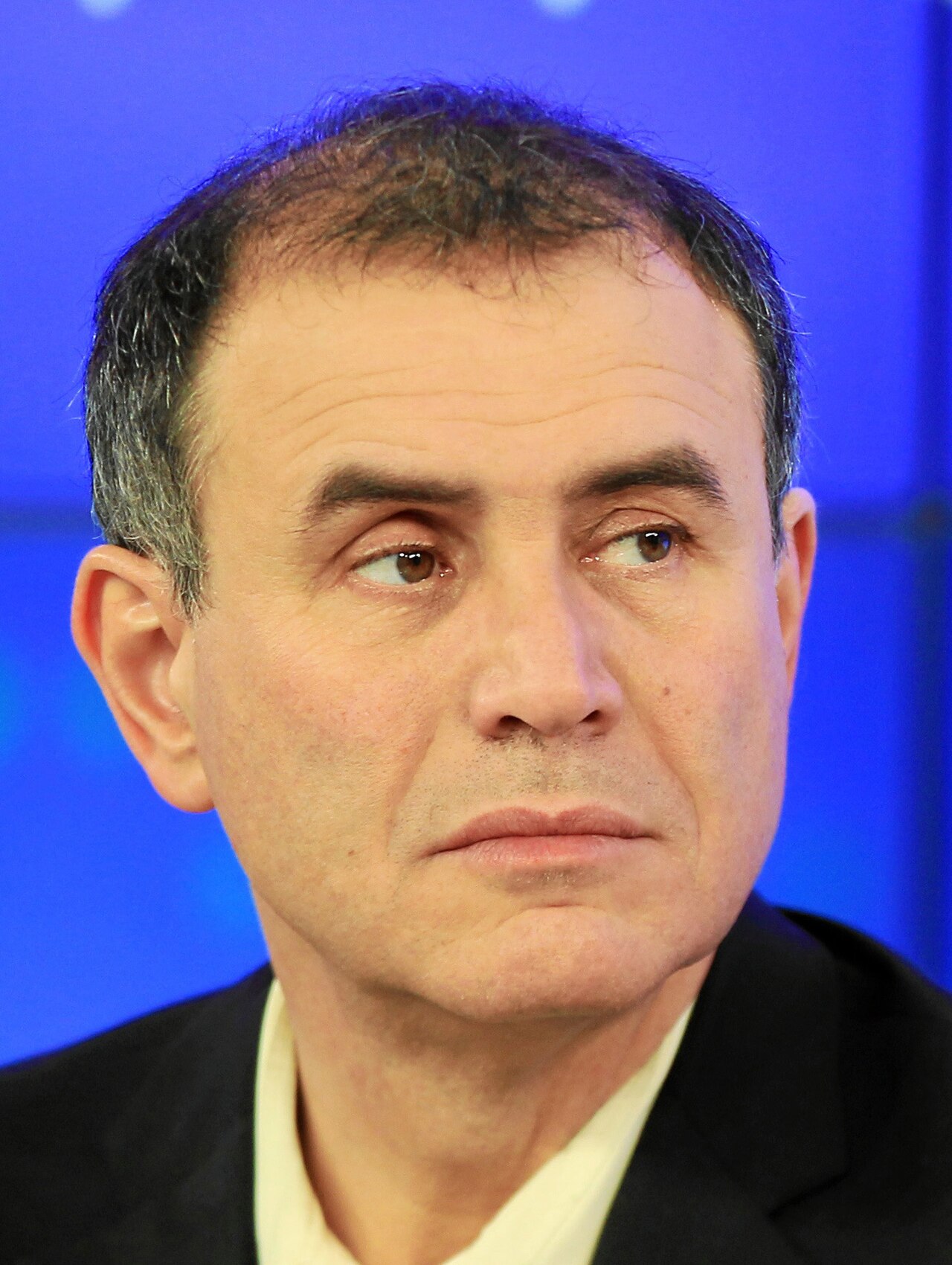
Born in Istanbul in 1959, he is known by the nickname Dr. Doom, probably because of his apocalyptic view of the current situation. The fact is that Roubini’s analyses are read and taken into account by the biggest multinationals, investment funds and central banks around the world. A subscription to his newsletter costs tens of thousands of dollars, and he charges around $70,000 for a one-hour talk.
His prediction:
Eleven million Americans won’t be able to pay their mortgages, and as a result the banks will lose a trillion dollars.
He thinks the economy will recover briefly before a new and much bigger recession, which may already be under way, as we discussed in our article Spain heading for the perfect storm.
In 2006, when the world was enjoying the boom years, he was already forecasting an economic depression similar to that of 1929: soaring oil prices, a burst housing bubble, a credit crunch, a wave of layoffs, a collapse in consumer confidence and recession. He was branded a doom-monger at the time, but now he has come to be seen as an economic prophet, and his fees have gone up.
Joseph Stiglitz: the sage
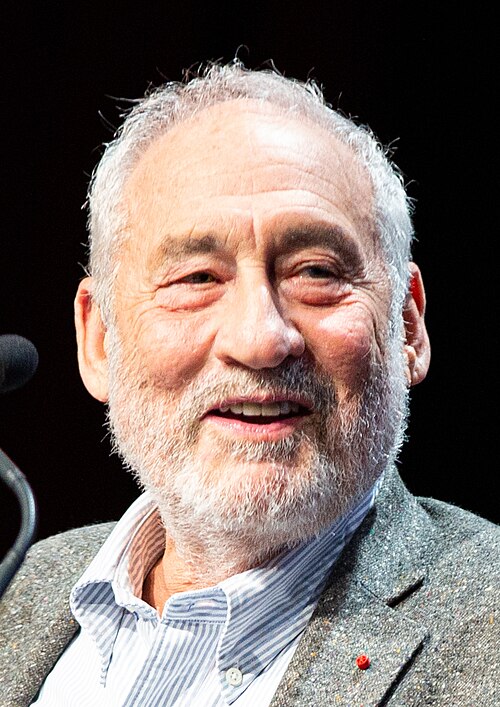
Born in Indiana in 1943, he has a somewhat unusual and very sensible approach. Ignored in Washington and by the American elites, he is the most sought-after economist in the world, especially in Europe, where he is regarded as an oracle, and in Asia, where he is received like a god, which may be why it is the most emerging continent right now.
His prediction:
We must stop listening to the supposed financial wizards who got us into this crisis and are now asking us for austerity. If there is pain to be borne, the heaviest burden should fall on those responsible for the crisis and on those who profited from the bubble.
Markets should be left to their own devices, and governments should not intervene. Unsupervised markets take advantage of people’s ignorance and end up taking off again.
His theory of “imperfect information” won him the Nobel Prize in 2001.
Further reading
Adapted from an article by Carlos Manuel Sánchez in XLSemanal.
Featured image: David Shankbone, CC BY 3.0, via Wikimedia Commons.