

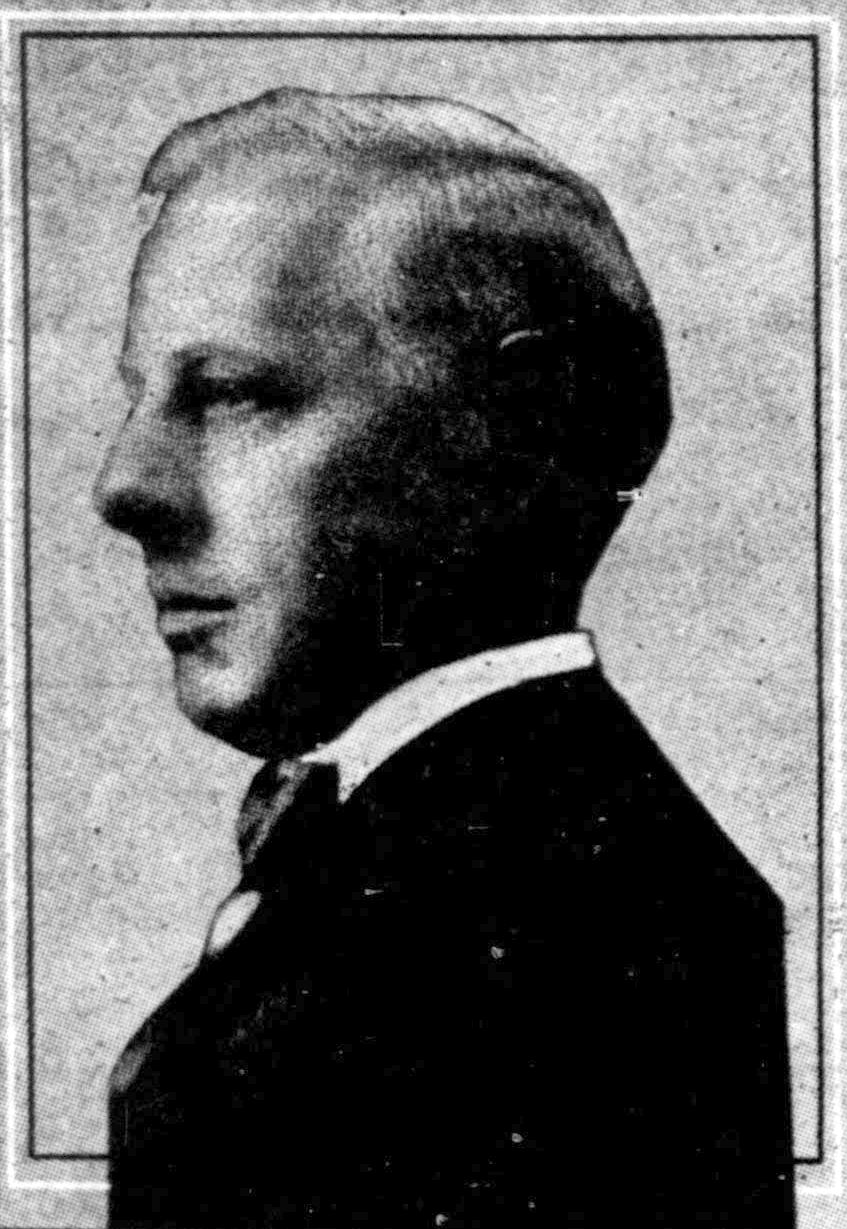
Editor’s note: This article was first published in September 2011, right after Alessio Rastani’s BBC interview. Elena Salgado was then Spain’s Deputy Prime Minister for Economic Affairs, and Emilio Botín, chairman of Banco Santander, died in 2014.
After Alessio Rastani’s interview on the BBC, plenty of opinions have emerged. Some are already calling him a “populist”; others think he’s trying to spread fear in the markets to trigger a so-called “self-fulfilling prophecy” (a rumor that makes itself come true); and others, such as Emilio Botín (chairman of Banco Santander) and Spain’s Deputy Prime Minister Elena Salgado, have practically called him crazy for predicting a recession. Let’s take this opportunity to remember that no body, organization, person or institution managed to foresee this crisis, apart from a few individuals, one of them considered a crisis guru nicknamed “Dr. Doom”.
Before calling this young man crazy, I’d ask myself whether it isn’t crazier to deny certain realities of today’s economy. Anyway, let’s move on to Rastani’s own explanation of how he makes money during a recession.
Alessio Rastani:
A recession creates the perfect market conditions for making money. Recessions happen in an unstable economic climate, and when markets become unstable, they generate volatility. Within that volatility a trend forms, and money is made by executing the right strategy during that trend.
Money is made in the big trends
A good trader must be able to spot the first signs of a trend and follow it all the way to the end. The position you take (short or medium term) is key to making the most of the trend.
Speed is king.
Alessio Rastani follows some of the investing guidelines of great investors such as Warren Buffett. As an old Wall Street saying goes: “Markets take the stairs up and the elevator down.”
What does that mean? Rastani gives the example of Bank of America shares, which took 15 years to climb from 10 dollars to 55 dollars, yet needed only 2 years to drop from 55 dollars to 5 dollars. That’s why, with the right vehicle and investment method, you can make a huge amount of money in this kind of trend, and faster than in an uptrend.
Rastani mentions Jesse Livermore, a man who, after the great crash of 1929, managed to make 100 million dollars in a short space of time. So Rastani insists once again that recessions are incredible opportunities for people who execute the right investment strategies, and that banks and big fund managers certainly know how to use them perfectly.
If I, as an independent trader, dream of a new recession, wouldn’t large companies with huge volume in the market have the same dream?
Source: Alessio Rastani’s blog.
Featured image: Unknown author, Public domain, via Wikimedia Commons.



