

Editor’s note: This article was first published in May 2013, and gives a 2013 snapshot, with 2012 sales and the plan to expand beyond the US. The company’s current status is unknown.
In May 2010, Alexandra Abraham was working in a restaurant in Washington when she slipped on a wet floor and fell flat on her back. The fall was not serious, and in fact Alexandra was more annoyed than hurt, since this is something that happens in most restaurants.
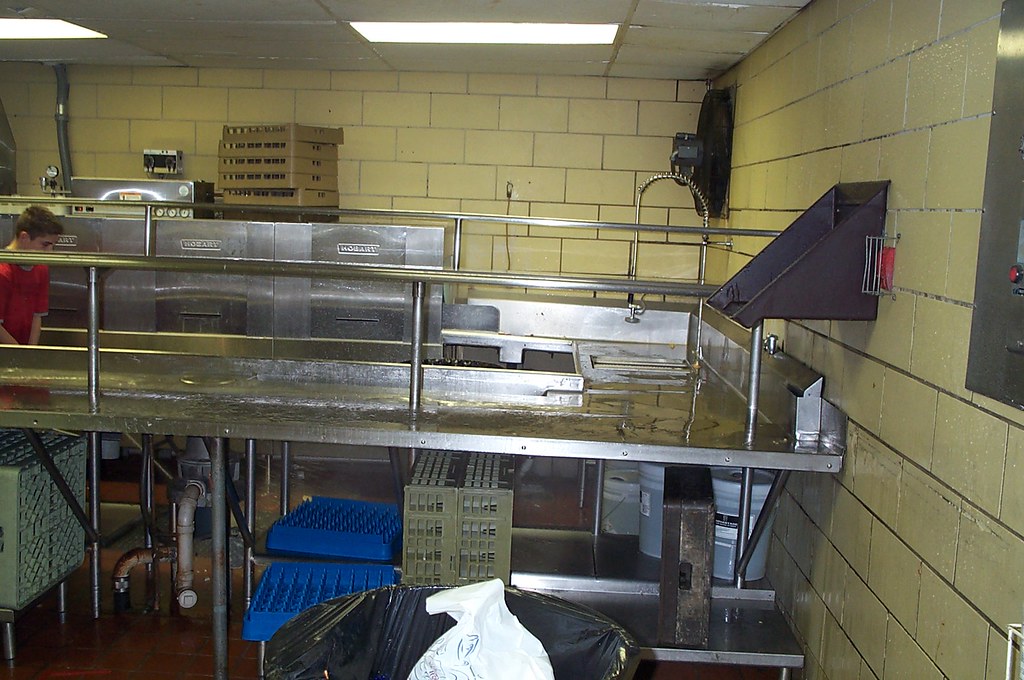
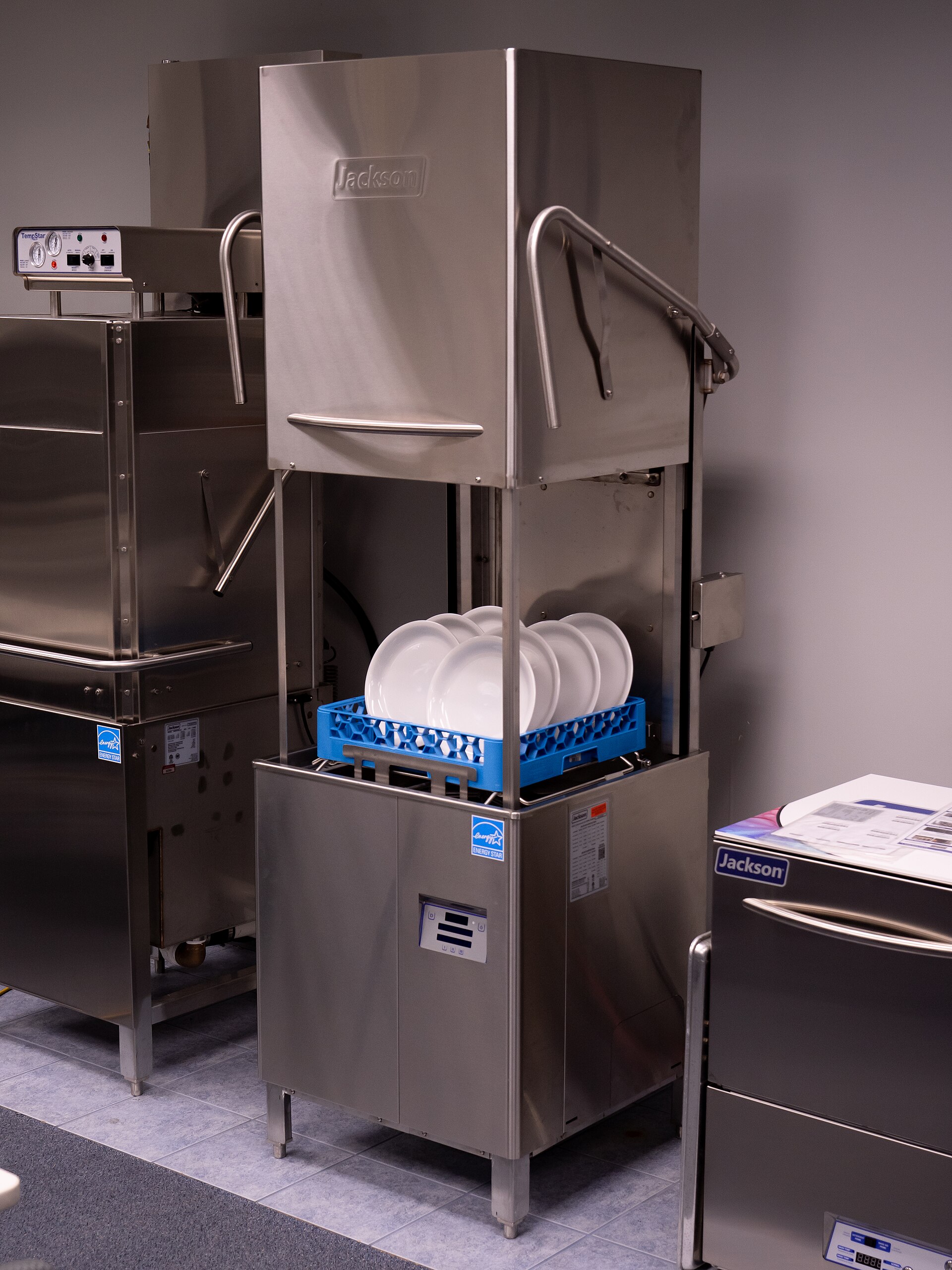
It is estimated that in the United States alone, slips in restaurants and cafés lead to 2 billion dollars in lawsuits every year. As a rule, the water always comes from the same place: the dishwasher. The racks that hold the plates, glasses and cutlery have to be open so that water can get in from both above and below. When you pull a rack out, however well it has drained, water always drips onto the floor, along with traces of detergent that tend to make it even more slippery.
As we always say, the best business ideas tend to come from needs or problems we can solve. In Alexandra’s case, after thinking it over, she finally came up with a simple idea.
Unable to find any solution to the problem, she designed her own: a covered plastic tray on which to place the dishwasher rack once the wash cycle is over. Many people thought the idea was absurd, but a manager at a restaurant chain saw how useful the product could be and helped this young entrepreneur raise 80,000 dollars to start manufacturing it.
Starting this business was not easy. According to Alexandra, she didn’t know whether she would be able to convince restaurant owners of the usefulness of a product she firmly believed in.
At first she had the trays made by a Chinese manufacturer, which caused her a lot of problems. Then she presented her trays (DripCatch) at a hospitality trade fair, and by the end of the fair she had sold 600 of them. That caught the attention of a manufacturer in Washington, which agreed to make DripCatch trays at a lower price than the Chinese supplier.
Her invention appeared in Forbes and in several trade magazines, and in 2012 the business brought in close to a million dollars in sales, thanks to a lot of legwork and a distribution network across the United States. DripCatch is now ready to make the leap to the rest of the world.
As you can see, sometimes you don’t need to invent a cure for malaria: you can build a very profitable business with a simple plastic invention.
More for entrepreneurs
Featured image: stu_spivack, CC BY-SA 2.0, via Flickr.



