

Editor’s note: This article was first published in April 2013. The figures come from a Pew Research report of April 2013 covering 2009-2011, and the “record highs” for US stock markets and the 5% fall in house prices refer to that time.
Can a country’s economy recover while its people keep sliding closer to poverty? The answer is yes. We are seeing it in Europe and the United States. According to the latest Pew Research Social Trends report, since the US economic recovery began in 2009, and even though American stock markets are at record highs, 93% of Americans have become 4% poorer.
On the other hand, the luckiest 7% of households (the upper class) have grown as much as 28% richer during this so-called recovery. In fact, Jeff Bezos, Amazon’s CEO, talked about this situation in his letter to shareholders, arguing that a system in which companies post record profits while workers’ pay sits at its lowest since 1970 is not a healthy one. But why is there such a huge difference in wealth between social classes?
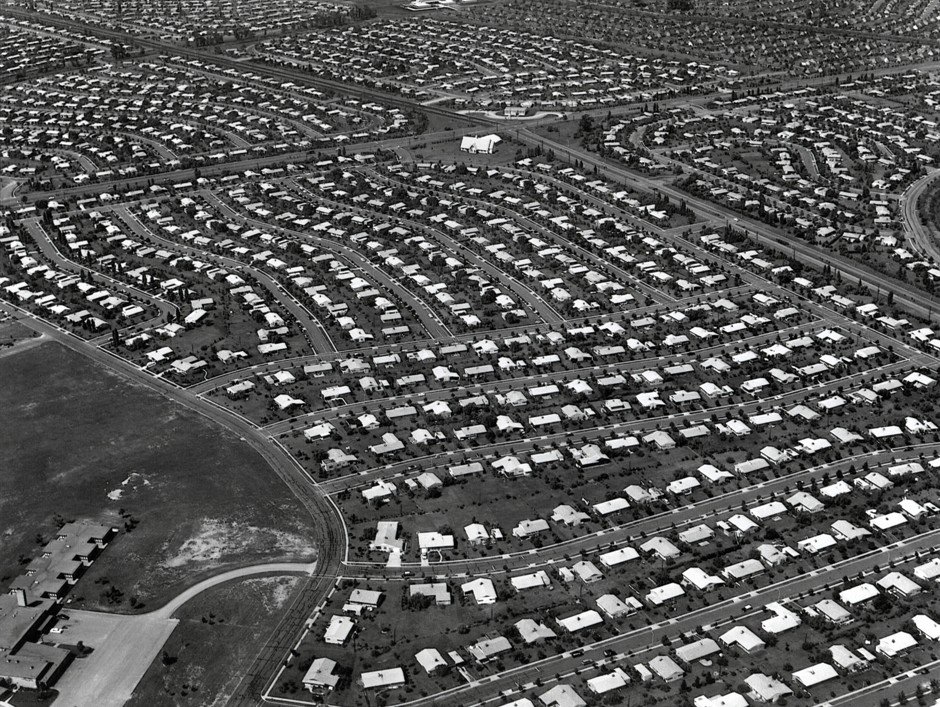
According to Business Insider, the gap comes down to the difference in how the rich and the less well-off invest the money they earn. Their argument is that less wealthy households lack financial knowledge and the ability to spot investment opportunities, so most of them keep putting their money into real estate. In other words, their homes. That is precisely the industry that made the most people rich during the bubble, but it is now a very unprofitable one with weaker growth. In fact, house prices haven’t risen; if anything, they have lost 5% of their value, and that is why these households have lost money.
(Read: Why are the rich getting richer and the poor getting poorer?)
Meanwhile, the wealthiest have taken advantage of the rebound in the Dow Jones and the S&P 500, the latter having gained more than 34% between 2009 and 2011. Households with incomes above $850,000 had more money, and more knowledge or advice, to invest in stocks. They bought into a cheap, battered market and rode its gains.
In these cases, in both the United States and Europe, the problem many poor households have in benefiting from rising financial markets is simply that they have nothing to invest in stocks. The crisis made them poor, and during this unhealthy recovery, which is not creating jobs, they will stay just as poor. Likewise, those who do have something to invest often lack the knowledge or make bad investment decisions.
Further reading
Featured image: unknown author, Public domain, via Wikimedia Commons.



