

Editor’s note: This article was first published in May 2013. The references to the financial crisis and to industries whose reputation it damaged reflect 2013.
It’s important to listen to our customers. Every company knows that, but anticipating our customers’ needs would give our business a masterly touch, because not everyone can do it. Of course, understanding customers is not easy at all. Do you need to understand your customers much better so you don’t run the risk of losing them? Let’s look at 5 ways to try to find out what our customers want.
Customers are now much less loyal and trusting than they used to be, especially in industries whose reputation suffered during the financial crisis. At the same time, customers (and consumers in general) have more power than ever, thanks to social media, where you can not only tear a company’s service to shreds but also find hundreds of sites to compare prices and products.
That said, the internet itself can distort reality: there is also a lot of noise online, which makes it much harder to pick out the genuine complaints of your real customers. In other words, as has happened more than once, a “revolt” can break out on social media calling for a boycott of a brand without a single one of the protesters ever having bought the product.
So here are 5 ways to get closer to what our business’s customers are thinking:
-
Look beyond the business (empathy): It may sound like a cliché, but to succeed in business, we have to focus on customers, not on money, because if we keep customers happy the money will come by itself, whereas if we focus on the money and forget about the customer, the money won’t come. Put yourself in your customers’ and suppliers’ shoes. Look through their eyes and ask yourself: “If I were my own customer, what would I like to find, what would I like to be offered, would the price, the service and so on seem right to me?”
-
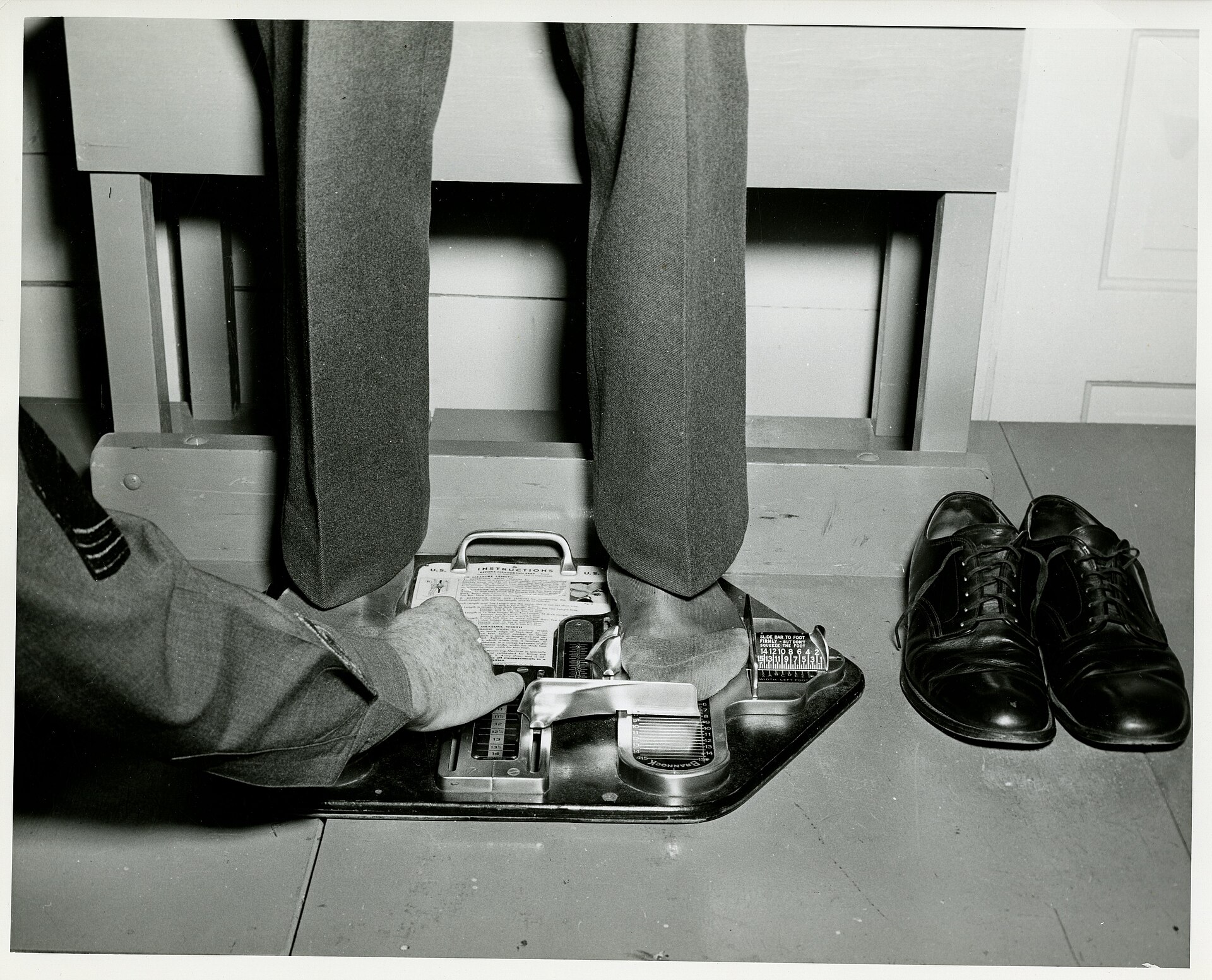
Now put yourself in the customer’s shoes, literally: There is no better way to gauge a customer’s buying experience than to become a customer yourself. I’m sure you’ve heard of the mystery shopper, a person hired by a company to pose as a customer. That way they can see things no manager would ever see and give an objective assessment of the treatment and experience they received.
-
Learn alongside your customers: When was the last time you invited one of your company’s customers to something that had nothing to do with business? I don’t mean holding an event for all your customers. I mean calling one of your most important customers and arranging to take them to a football match, an art exhibition, a game of padel or anything else you know they enjoy. Let them relax, build their trust and then get down to business. They will give you advice and point out flaws in your business that they would never mention otherwise.
-
Try to be a visionary: As Steve Jobs said, customers don’t know what they want until you show it to them. This part is not easy at all, but if you can identify and plan for a future scenario ahead of your competitors, one that surprises your customers, congratulations.
-
Listen to your salespeople: I insist on this point, because salespeople are the ones who spend the most time with customers and who battle the competition every day, and yet, curiously, few companies listen to their own sales staff.
Above all, remember this: if you ask your customers directly, they will rarely be 100% honest with you, and often, when a customer complains, it’s because they are already unhappy enough to tell you (lost, or about to be lost). So you have to try to get ahead of things and, above all, take better care every day of our most important asset: our customers.
Further reading
- 9 tips for entrepreneurs from Richard Branson
- Donald Trump: the mindset of an entrepreneur
- 15 habits of successful salespeople
- 18 business lessons you’ll learn sooner or later
Featured image: Department of Defense. Department of the Army. Office of the Surgeon General. U.S. Army Medical Command. Fitzsimons Army Medical Center. (10/2/1994 – 1999), Public domain, via Wikimedia Commons.



