Editor’s note: This article was first published in June 2014, and gives a 2014 picture of Facebook advertising, including promoted posts, reach estimates, organic reach of about 12% of fans and Groupon’s terms. Facebook’s ad tools, prices and targeting options have changed a lot since, and Google AdWords is now Google Ads.
Facebook offers different forms of advertising. Here we focus on promoted posts, which, used well, can be far more profitable than Groupon discount coupons. They let us make our product known and reach users who are not fans of our page, and they help us not only sell our products but also gain fans, and therefore grow our database of future buyers.
First, one complaint: Facebook is wrong to treat publishers’ pages, such as our own, as commercial pages. We, like most blogs and websites, do not sell anything, and yet if we want to reach 100% of our “fans” we would have to pay to do so. In our case it does not pay off, except simply to give a particular post more visibility.
How to use promoted posts
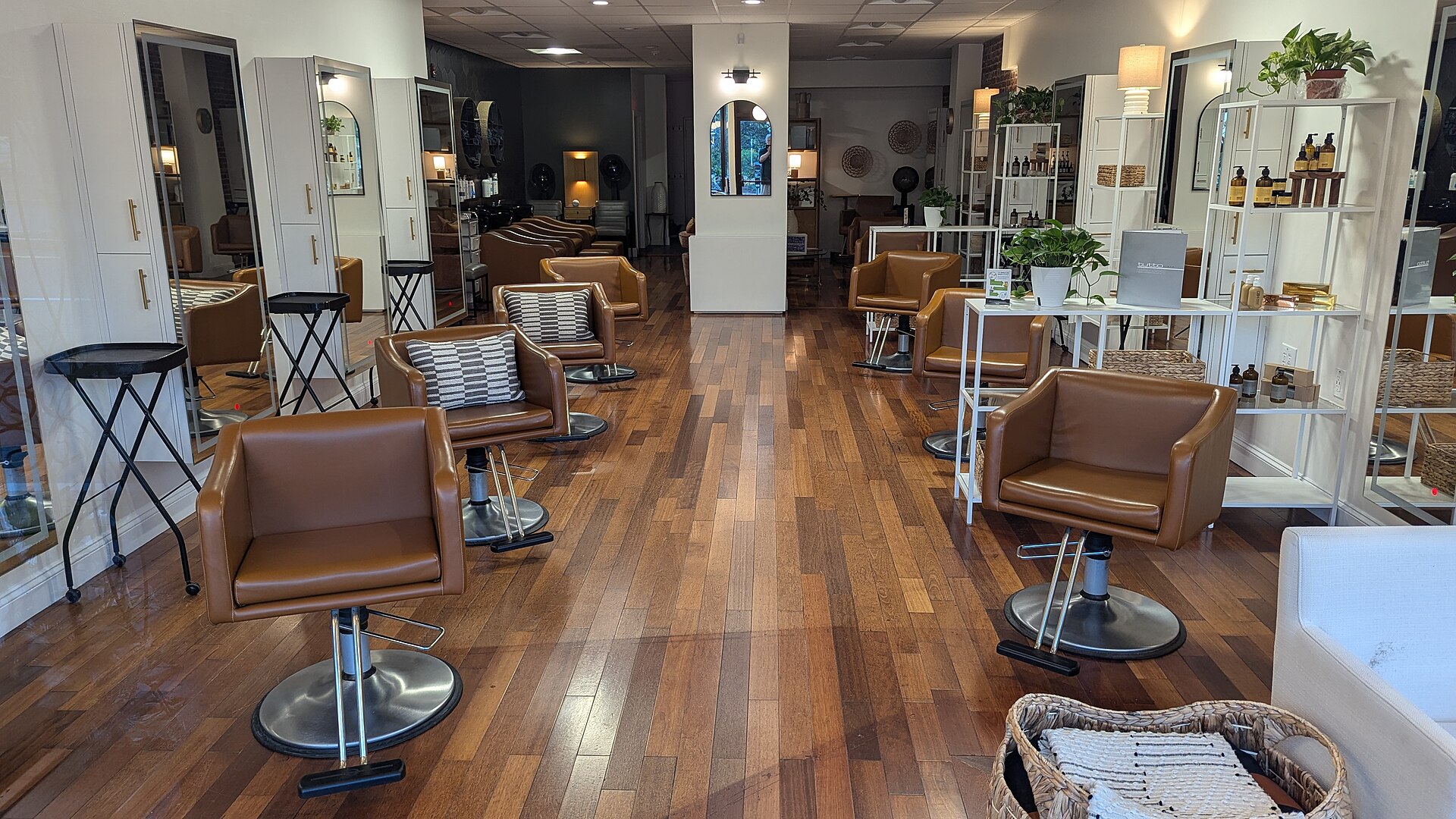
A few weeks ago I went to a hair salon, and while chatting with the owner she told me that her customer numbers had fallen a lot. I asked whether she had tried winning customers with Google AdWords or Facebook, launching her own offers online aimed only at the Granada market. The truth is that she knew nothing about all this internet stuff, as I imagine is the case for thousands of small business owners.
Since it would take me longer to explain it than to just do it so she could see, we got down to work. At first I thought about Groupon and Google AdWords, but honestly the quickest way to start was Facebook.
I loaded one of my templates onto a free “Blogspot.com” domain, where we put only an offer, a phone number and an address. We created her Facebook page, published the offer and clicked promote post with a test budget of 5 euros, filtering by province (Granada) and gender (women), which was supposed to reach about 2,300 women at the time.
According to what she told me, she got 5 new clients from Facebook during the 2 days the post was active. It is not a lot, but those 5 euros of advertising more than paid for themselves, considering it took me a little under 2 hours to put together the small test campaign and that the landing page (on Blogspot) was rather shabby.
For example, choosing only Spanish users aged between 19 and 60, both men and women, a budget of 30 euros would reach between 47,000 and 120,000 users.
Why it can be more profitable than Groupon
When I saw Facebook advertising, I was quite clear that I personally would not buy Groupon shares. With Groupon you launch a campaign where they advise a discount of 50, 60 or even 80 percent. Of what is left, Groupon takes half, so all the business owner can tell himself is that he has run an advertising campaign to win potential customers. Very often, coupon users only come back to the business when it runs another offer.
With promoted posts, we can launch our offer with whatever discount we think fit, and 100% of the profit is ours, minus only the money invested in advertising.
That does not mean Groupon and similar sites cannot be very useful for some campaigns.
Advantages of promoted posts
It really is cheap. If we create an eye-catching banner with an eye-catching offer, we can increase users’ interest in the product we sell.
We can filter all kinds of users. In other words, we can choose to reach any Facebook user anywhere in the world (which is cheaper), or we can filter by age, city, gender and interests. The more filters we apply, the more it will cost us to reach the same number of users. At least testing this kind of advertising is quick and low-cost, and if a post performs better than expected, we can extend the promotion.
Another advantage is that new users may like your page, boosting your number of fans, so that later on your regular, non-promoted posts can reach more people (roughly 12% of your fans).
The ad tool shows the approximate number of users your post will reach depending on the amount you choose. With 5 euros you can reach more than 6,000 people. Whether those 6,000 people are interested in what you sell is another story.
But it must be more profitable than we think, if only because “scam products” such as hair-growth remedies, cheap teeth whitening and WhatsApp Spy have made a killing using Facebook advertising.
So basically I would recommend that small businesses try either Facebook Ads or Google AdWords and decide for themselves whether it brings results. At least the test is cheap.
What do you need?
You need a Facebook page, a landing page (your website or blog will do) and an eye-catching offer or a product that people like for its value for money.
Further reading
Featured image: Daderot, CC0 1.0, via Wikimedia Commons.