

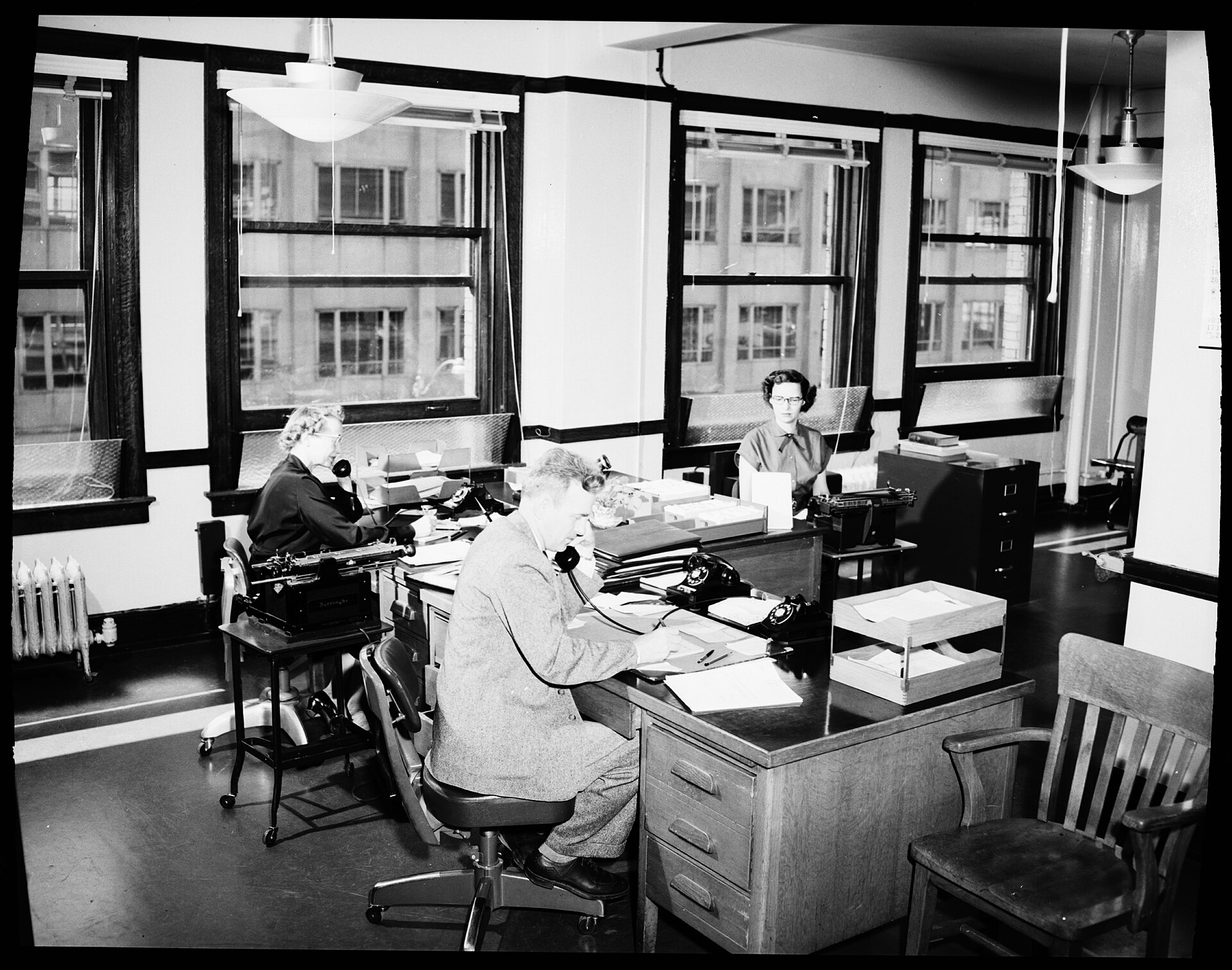
These two terms always cause confusion. Paradoxically, only one consonant sets them apart, yet they are the door that finally lets you into a job, or shows you out of it. They are what makes a candidate stand out during the probationary period, and they stay with us from childhood to the end of our days.
In the following lines we’ll try to look at how they differ and how they play out at work, especially for people on probation at a company. Whether their professional future continues with longer contracts after their first experience of working life will depend on their attitudes or aptitudes.
The definitions
| Attitudes | Aptitudes |
|---|---|
| The motivation or lack of motivation you bring to a task, position or job. It’s also focus or distraction at work (actually working, or drifting from desk to desk with your personal stories). And let’s not forget ambiguity at work, self-assurance in what you do, or firmness, relaxation and your day-to-day feelings. | A person’s qualities linked to their abilities and potential to learn to perform physical or social tasks. |
Attitudes
Three phrases, three headlines from the reality of working life, heard in my own company this very morning:
- I’m bored, I’ve got nothing to do this morning.
- Yes, I’m pregnant, but I’m more tired, I’m dying to leave, and on top of that they won’t give me sick leave.
- He knows more than we do, so let him bother finding the solution to the problem.
Now, if I put myself in the employer’s shoes and see these attitudes (with a “T”) at work in a new candidate who is hoping for a permanent contract, what decision do I make? I let them go.
Keeping your job depends precisely on the “T” in attitude. An employer is looking for someone who:
- takes the lead in solving problems (a positive attitude);
- spends the working day doing the job they’re paid for, updating the files during quiet spells and keeping on top of all their responsibilities (a dependable attitude);
- devotes their working time to the company, looking for ways to innovate production processes and keep improving their professional activities, and is even fully involved in their trade without drawing a line between the personal and the professional (a motivated and focused attitude).
Aptitudes
In most cases, the training you get at school or college is theoretical. The working world requires learning of its own, on the job. This is where the saying “made, not born” applies.
What separates one candidate, employee or person from another is the capacity to learn and absorb new concepts, which comes from the aptitude to do so. Phrases like “you learn that, and then you can do it yourself” or “I’m not paid to learn that software” (in both cases the person doesn’t want the chance to learn) are aptitudes with a “P” that reveal how well someone can fit into a company. If you’re the employer, the one who decides whether an employee stays, and you hear answers like these, what decision do you make? You let them go.
Positive aptitudes in the job market sound like this: “At first sight this can’t be done, but I’ll find a way to do it.” “I don’t mind doing it, but it will cause us these problems later on.” “Get me a course on this, I’m a bit green on these concepts.” “I can take on this work to round out my job.”
These are aptitudes with a “P” too, but of a different kind. They’ll give you the chance to stay with the company and… perhaps to grow in the future.
The differences between them
Remember: aptitude is learned, attitude is built.
Attitudes
- I get stuck on the phone and forget about my work.
- I look for extra tasks to fill out my working day.
- Let someone else do that.
- I look into solutions for everyday problems.
- I keep up with all the news about the work I do.
- I’ll do this job tomorrow.
- I’ll agree on this decision with my boss.
- If I can avoid doing it, so much the better.
- I’ll come in this afternoon to finish this.
Aptitudes
- I learn new tools.
- I’ll try to improve production processes.
- My thing is training new generations.
- I want to reach new goals.
- I have to make sacrifices to achieve my objectives.
Learn to tell attitudes apart: motivating, demotivating, focused, assured, relaxed, firm or cheerful.
Featured image: Seattle Municipal Archives, CC BY 2.0, via Wikimedia Commons.



