

Editor’s note: This article was first published in October 2017, and describes Lerner as co-founder and CEO of interviewing.io as of 2017.
A cover letter can matter even more than the résumé we send to a company, because in just a few lines it gives us the chance to quickly catch the recruiter’s interest and make them genuinely keen to learn more about us.
The main complaint most recruiters have about cover letters is running into a generic letter, where it’s obvious the applicant only changed the company name and sends the same text to every company they apply to.
Want to see some cover letters that caught employers’ attention right away?
A good cover letter can never be generic
- Tailor it to each job and company, mentioning the position you’re applying for and the company’s name.
- Spell out how you’ll benefit the company.
- Include a call to action that gets you invited to an interview.
It’s not just an add-on to your résumé or a few lines on a page
- It’s a marketing tool that has to capture the interest of the person reading it (in this case an employer or HR staff), and if it’s done right, it will open the door to an interview or at least get the recruiter to spend some time on your résumé.
- Make sure the lines of your letter address what the company is supposedly looking for.
- And most importantly: it’s the first impression the recruiter will have of you, so whether it’s good or bad, that will be their initial impression.
With that said, let’s look at some examples of what certain experts consider excellent cover letters, even though some of these applicants chose to take a risk.
Aline Lerner, a recruiter and currently co-founder and CEO of interviewing.io, confirms that it’s rare to see cover letters that clearly show you’re dealing with a smart, capable, thoughtful person. To illustrate, she gives two examples of letters that are very different from each other but both ended up catching her interest in a positive way.
One of these cover letters uses humour, while the other is serious. The second might look ordinary, but according to this recruiter it’s anything but common to see something like it. What’s common is the generic.
A cover letter with a sense of humour
“I wouldn’t say it was strictly the best cover letter I’ve ever seen, but it was the most memorable,” the recruiter admits. “It caught our attention enough that this person ended up at our company for six years.”
Dear Recruiting Officer,
If you are reading this, it means I am already dead. Were I still among the living, I could have brought to your company my passion for improving user experiences and innovative software. I would have used my excellent analytical skills to help improve current projects and envision new ones.
My interpersonal and communication skills would have been put to work keeping the office running efficiently and pleasantly. My ability to learn and apply new skills quickly would have allowed me to contribute positively to a wide range of projects. I would have become an integral part of my team.
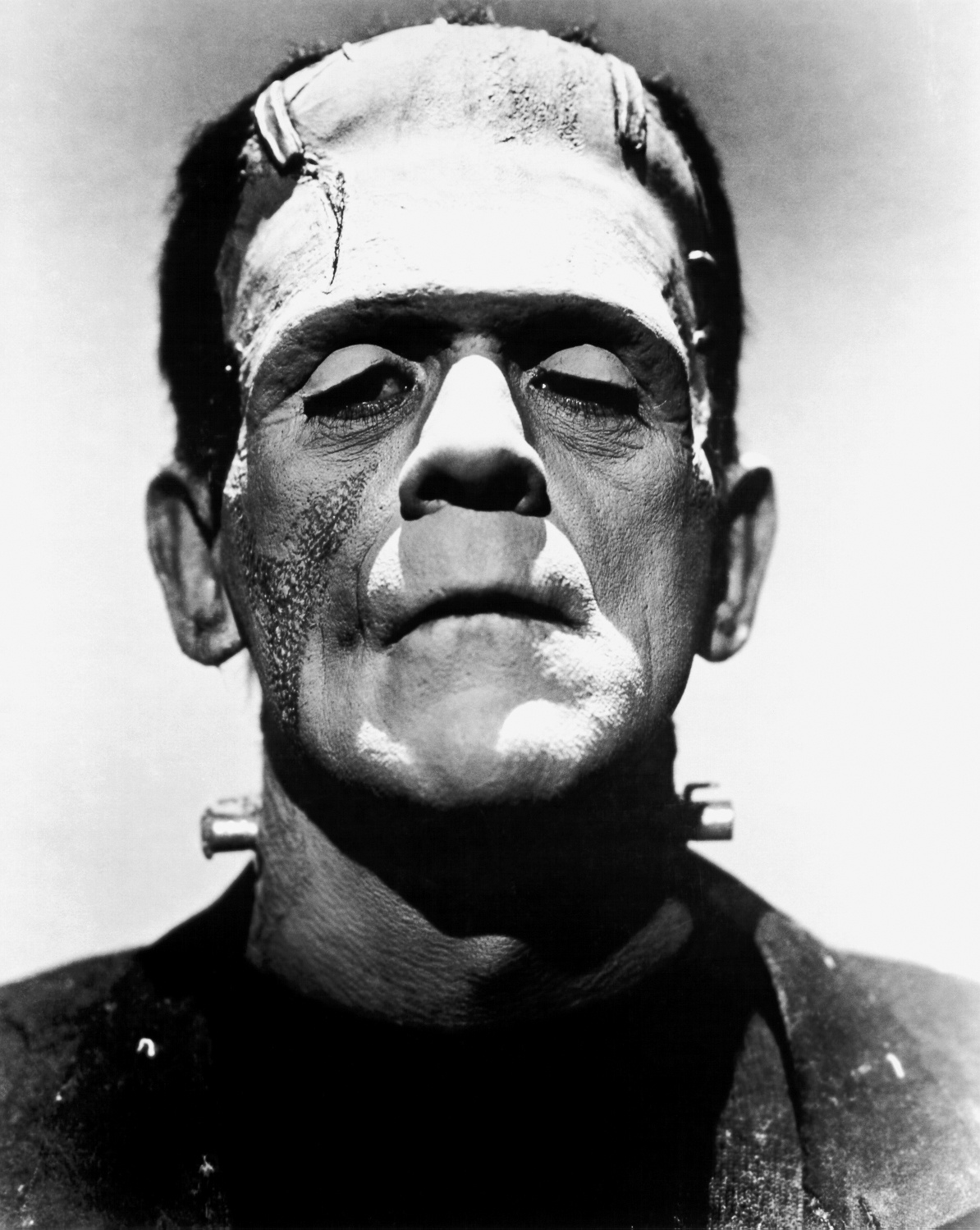
Unfortunately, I am dead. Fortunately, Dr. Fran N. Stein assures me that my current condition can be fixed, and apart from the occasional chase by pitchfork-wielding villagers, I would still be an exceptional employee.
The recruiter says that once this cover letter had made her smile, it was time to look at the candidate’s résumé. In fact, looking at it had become almost an obligation. Even so, if the candidate’s résumé hadn’t been strong on its own, the letter would have seemed less charming and more pathetic.
(See: 12 tips for landing a job)
A serious, perfect cover letter
Greetings!
I was browsing CrunchBoard and saw that you are hiring. I’m a smart, hard-working guy who has just started a career in programming, and I’m looking to do great work. Your company seems like a great place to do it, and I hope to be a useful addition to the team.
I put together a practice and demo project you can try out, built with Python and Django. It’s a simple, moderately customisable to-do list that lets users estimate how long tasks will take and then compare their estimates with how long the tasks actually took.
I’ve also attached my résumé and LinkedIn profile, where you’ll find more details.
All the best.
It doesn’t look like much, but reading it, it’s clear this is a smart, thoughtful person who is, at the very least, passionate about what he does.
Although he seems to be talking about himself and what he wants, if we read his words again we notice that the letter offers the company a benefit throughout, and it certainly makes the reader very curious to find out how his project could help the company. You can also tell that the young man knows the company and included something that’s of real interest to them.
“When you see something this simple, well written and serious in a sea of ordinary, generic letters full of clichés and grammatical errors, you sit up and start taking an interest in the person who wrote it. It may look simple and ordinary, but believe me, letters like this are not common at all,” the recruiter adds.
See also: The number one mistake people make in job interviews, and how easy it is to avoid
Featured image: Universal Studios, NBCUniversal, Public domain, via Wikimedia Commons.



