

Carl Richards has a very particular style: simple charts drawn with a marker on an ordinary napkin. For those who do not remember, Richards is the financial planner who lost his home. Since that financial setback, Carl has been helping people protect their assets from our worst enemy, which, as a rule, is our own mind.
There are 27 napkins in all, but today we will look at the most common and most dangerous mistake when it comes to investing in the stock market. The mistake that has fleeced more investors than any other.
Buying when prices rise and selling when they fall: the worst stock market investing mistake
“Our natural reaction is to sell after bad news and buy when the news is good, giving in to our fear and our greed. It is an impossible strategy.”
And the truth is that this is very typical investor behaviour, on a par with the habit of holding on to stocks that are losing us money and selling the ones that are making us gains.
The mistake Carl describes is what makes us buy when shares are inflated (because that is when they catch our attention, after they have risen) while selling at a loss on bad news, instead of taking the opportunity to buy more shares (as long as we want to own that company).
Here we explain why investors buy and sell shares at the worst possible time
Whatever people may think, always with a long-term view, you should buy in “fallen markets”, when everyone is telling you to sell. And, conversely, sell when the optimism of the bull market arrives. We should bear in mind, as Buffett says, that shares always come out of a crisis if we focus on solid stocks or invest in indices, and therefore other people’s fear will be our greatest competitive advantage when buying. In the same way, as Rockefeller used to say, “when your shoeshine boy starts buying stocks, it is time to sell yours”, because the bubble is very close.
See also: How to spot a bubble
On other napkins with investment tips we find another piece of advice that does not sit well with some analysts, because for this financial adviser, gold is not a safe investment. For Carl Richards, “gold is not an investment, gold is a speculation”.
Carl has also made it very clear that a personal financial crisis is practically inevitable unless you have prepared for it in advance, referring to the need for an emergency fund and a very precise, detailed financial plan.
“Before you decide on your financial goals, you have to choose your goals in life.” That is another message that appears on a napkin. Knowing how you are going to earn your money is just as important as knowing how much you want to earn.
And finally, a piece of financial literacy advice on which Carl Richards has plenty of personal experience: “The credit debt cycle is very hard to stop once it starts.”
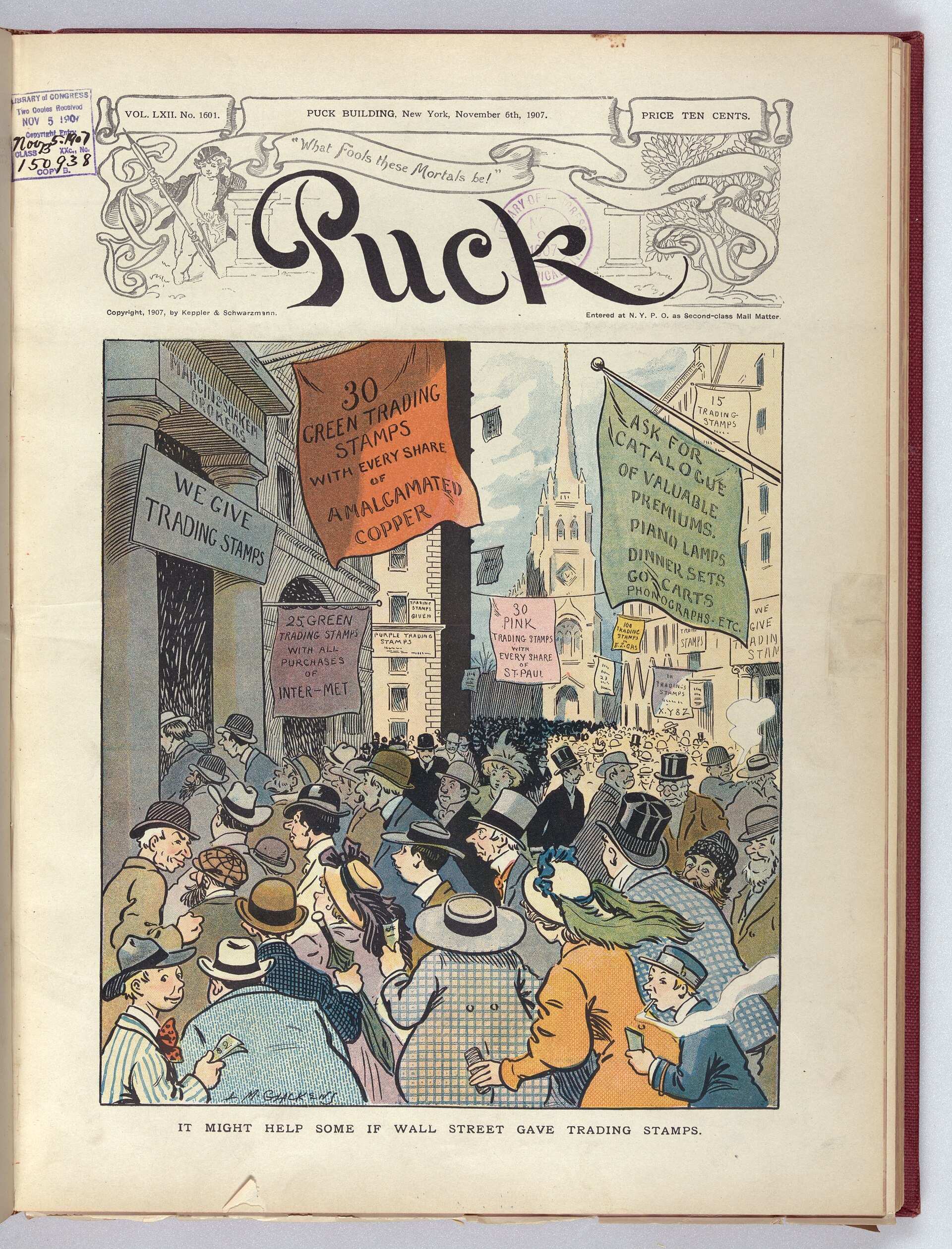
Featured image: Glackens, L. M. (Louis M.), 1866-1933, artist, Public domain, via Wikimedia Commons.



