

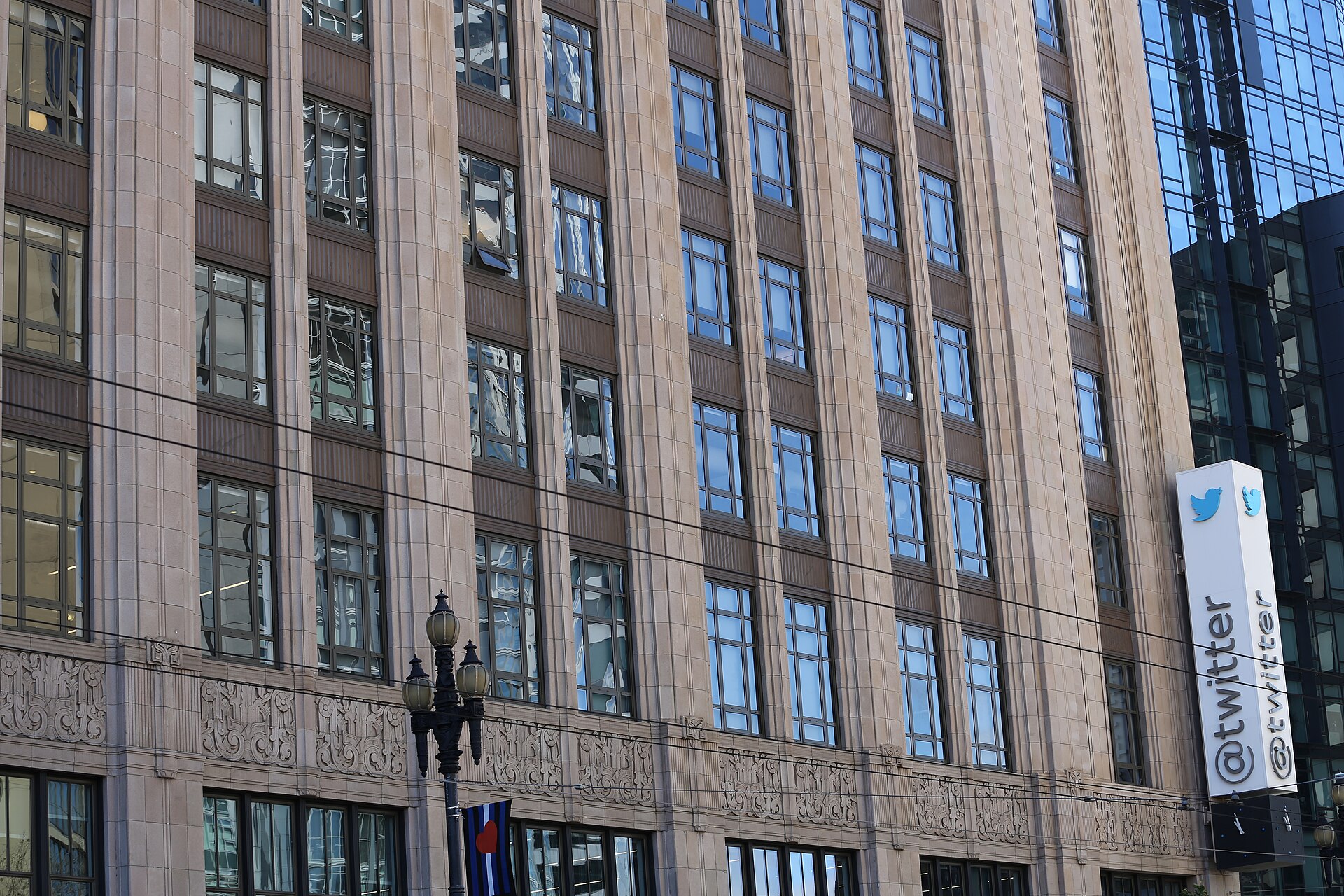
Editor’s note: This article was first published in December 2011, before Facebook’s IPO in May 2012 and Twitter’s in November 2013. GSV Capital’s holdings and its rise of up to 40% are 2011 figures, and the fund was later renamed SuRo Capital.
Interest in the initial public offerings of the big technology companies has grown throughout 2011, although right now perhaps the two most striking companies on today’s scene have yet to go public: Twitter and Facebook. The great social network, Facebook, has announced its intention to list on the stock market in mid-2012.
However, as we have already explained, buying shares in these companies before they go public, or during an IPO, is not easy for the average investor. That is why small investors turn to GSV Capital, a Silicon Valley-based fund that specialises in investing in companies with growth potential, so its portfolio is full of technology stocks. In fact, GSV Capital itself went public in 2011. Even so, we explain some of the drawbacks of buying shares in the big companies through a fund of this kind.
To begin with, we have seen the surprise Zynga gave us when it went public: after the IPO, its shares were worth less than its valuation, and there is growing fear that technology companies are overvalued. Let’s say private investors put a value on them that seems reasonable to them, but once they reach the public market, investors are afraid to hold them in their portfolios, because they start from the premise that these companies may not be worth what they cost.
Groupon, LinkedIn and Zynga, along with other tech giants that listed on other stock exchanges, are already examples of companies that are currently trading below their valuation. On top of this, buying shares through GSV Capital has the drawback that its shares trade at low volume.
GSV Capital has heavy exposure to Facebook and Twitter: this year GSV bought more than 120,000 new Facebook shares, which now represent 14% of the fund’s value, and Twitter represents 16% of the fund’s value after a second purchase of shares.
So far, the news about GSV Capital has been fairly good, since the fund has risen by as much as 40% after the new valuations of the technology companies became known and it announced new purchases in them. The problem would come if Facebook and Twitter suffered the same fate as Zynga when they go public, ending up with a market value below the IPO price. Then the trouble would start for this fund, and therefore for its shareholders.
That is why we should increasingly remember those words of Warren Buffett: today these companies are very profitable, but tomorrow… where will they be? Many investors today don’t even consider holding these shares for the long term, although they don’t hesitate to buy them at key moments and sell them at the first worthwhile rise.
Let’s say they are a profitable investment, though not without high risk.
Featured image: Tobias Kleinlercher / Wikipedia, CC BY-SA 3.0, via Wikimedia Commons.



