Editor’s note: This article was first published in February 2012, and the habits it describes, such as WhatsApp, hashtags and follower counts, reflect social media use at that time. Twitter has since been renamed X.
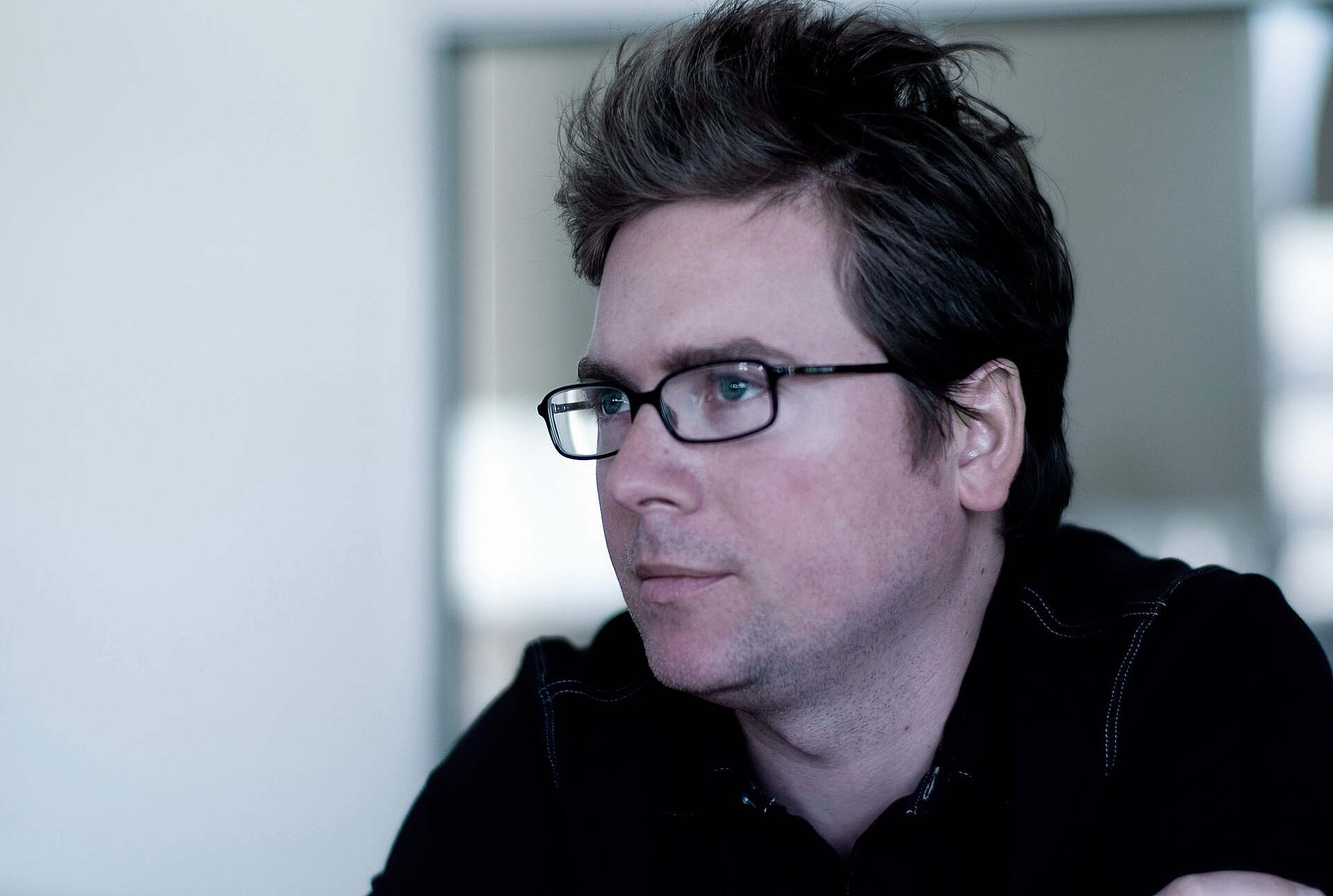
Twitter co-founder Biz Stone made a harmless remark during a conference in Canada: spending too many hours on Twitter sounds unhealthy. Harmless words, but put them next to a study by the University of Chicago Booth School of Business showing that social media can be as addictive as tobacco and alcohol, and they sound doubly unhealthy.
Going by the definition of addiction:
Addictions are “dependencies” that bring serious real-life consequences, which damage, negatively affect and destroy relationships, health (physical and mental), and the ability to function effectively. Today, any activity that a person is unable to control, that leads to compulsive behaviour and harms their quality of life, is accepted as an addiction: for example, addiction to sex, gambling, pornography, television, new technologies (technophilia), etc.
(Wikipedia, Spanish edition)
We could say that social media is making both young and not-so-young people addicted. The other day I was talking to a psychologist who is preparing a thesis in which she will try to show that social networks are making us less and less social. More than one of us will have noticed it: you’re talking to someone, and that person keeps looking at their phone, replying to messages on Whatsapp or answering some Twitter “follower”. Quite simply, they aren’t listening to you.
What’s more, other studies claim that since Facebook and Twitter appeared, many young people prefer to stay at home at weekends instead of going out with friends. Why meet up with your friends when “online meetups” exist? Although on this point, some parents are happy and grateful for this new and cheap form of entertainment.
The Twitter co-founder acknowledges that, ideally, users would go on the microblogging network to look for information and, once they found it, log off, because spending many hours on it can’t be very healthy. Of course, Twitter’s creators want you to use the site often, and they admit as much.
The thing is, Twitter can make users lose track of time: you go on for just five minutes and end up spending more than three hours.
For others, Twitter has become a full-time job. Many users feel the need, or the obligation, to share the most important news as soon as the papers publish it. Others follow a social media strategy for personal rather than professional use, trying to gather as many followers as possible. Others spend hours in front of Twitter waiting for their “idols” to post a tweet so they can be the first to reply, not to mention the first divorce cases over spending more time on Twitter than with one’s partner (technological infidelity).
Perhaps, though, the place where this kind of compulsive gambling is most likely to develop is when users spend hours purely for entertainment, playing with hashtags as if Twitter were a video game. According to this study, that is where a person could even forget to eat, especially if they get the reward of seeing their tweets well received, collecting large doses of retweets from their followers while their follower count keeps growing. It would be the same feeling a poker player has: when they’re holding a good hand (on a lucky streak), they don’t think it’s time to leave the table.
Some psychologists say there’s no need to be alarmed by this behaviour, because social media use, even when it becomes addictive, is a healthy addiction: it doesn’t hurt your wallet or damage your health the way tobacco and alcohol do. Other psychologists warn that this is precisely the problem: feeling that overusing new technologies does no harm to your health is far from reality, since any addiction can damage your mental health and, as a result, your physical health.
In short, almost everything is good in small amounts and nothing is good in excess. So, to borrow the advice of Spain’s traffic authority (the DGT): please, use Twitter in moderation 🙂
Featured image: Joi Ito from Inbamura, Japan, CC BY 2.0, via Wikimedia Commons.