

Editor’s note: This article was first published in June 2011, about the effects of the economic crisis on the Spanish hospitality sector.
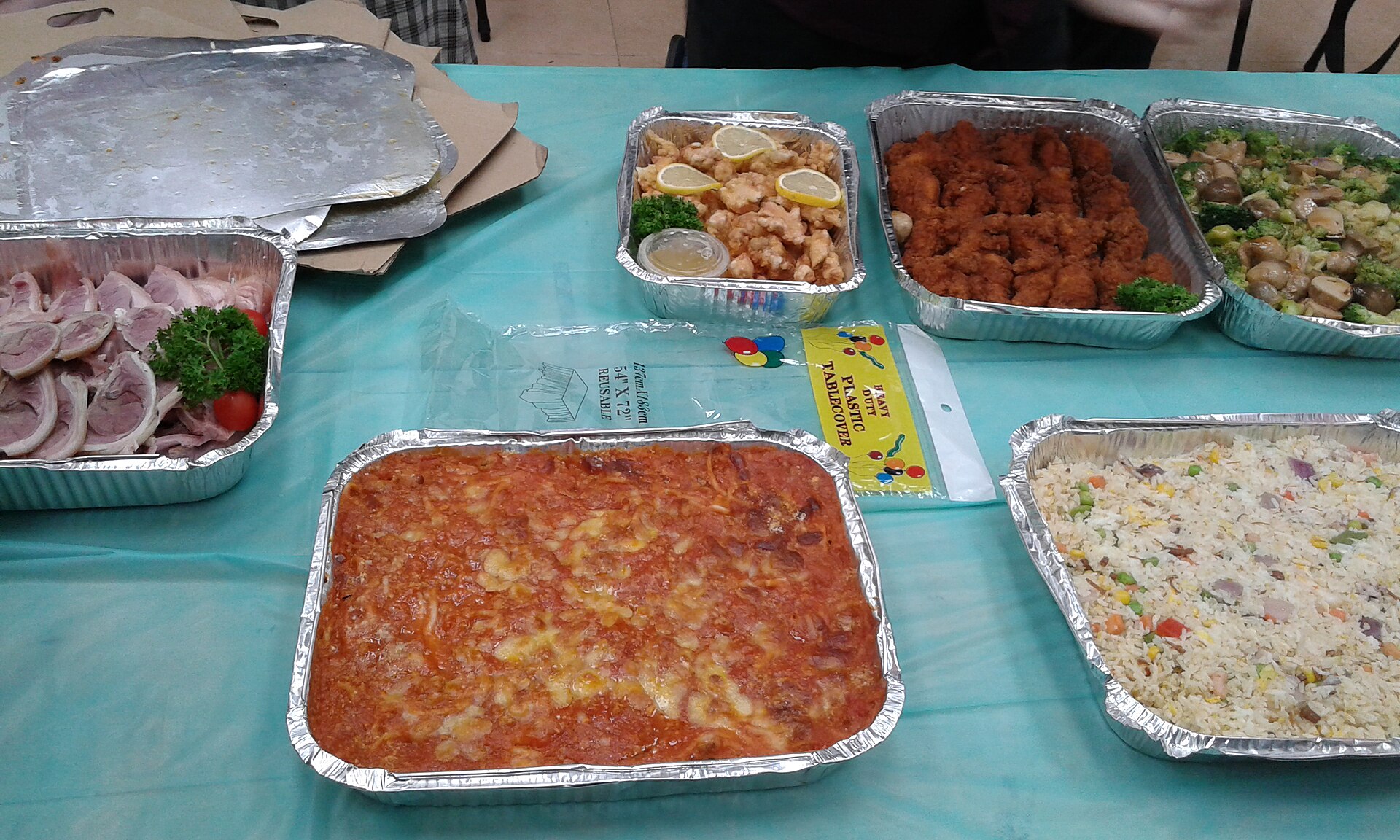
One of the businesses whose profitability has grown during this crisis is catering, although that growth is down to a problem affecting some restaurants. Until now, these companies were mainly hired for wedding banquets, first communions or one-off parties.
The crisis has hit the hospitality sector, so many restaurants, even some upmarket ones, have run the numbers and fallen back on a fundamental business principle: “Manufacturing is where you find the losses; outsourcing is where you define the profits.”
Having run the numbers, many restaurants have concluded that it is cheaper to order meals in than to “manufacture” them in their own kitchens. As a result, it is increasingly common to outsource to a catering company that supplies the finished product (lunches or dinners). In some cases the waiting staff are outsourced too, so the restaurant increasingly becomes a mere intermediary between production, service and the customer.
This way, a restaurant doesn’t need to hire extra waiters and cooks for weekends or busy days: everything is settled with a price agreed in advance per day or per hour, and in some cases there is even a commission agreement based on the dishes served or sold.
It’s bad news for restaurant hiring, but good news for catering companies, which will now create more jobs for waiters and cooks, both on permanent staff and as “extras”.
Restaurants are joining a more profitable business model (outsourcing), and catering companies are becoming businesses that even hire sales reps to win new clients who need their services. The advantage for the client is that, at the end of the day, they can work out whether this kind of arrangement pays off or not. You take in 300, you pay out 200, your profit is 100.
Further reading
Featured image: Pauloleong2002, CC BY-SA 4.0, via Wikimedia Commons.



