

Editor’s note: This article was first published in February 2012. It is a news item from early 2012, based on El País of 30 January 2012 and written shortly after the collapse of Nueva Rumasa.
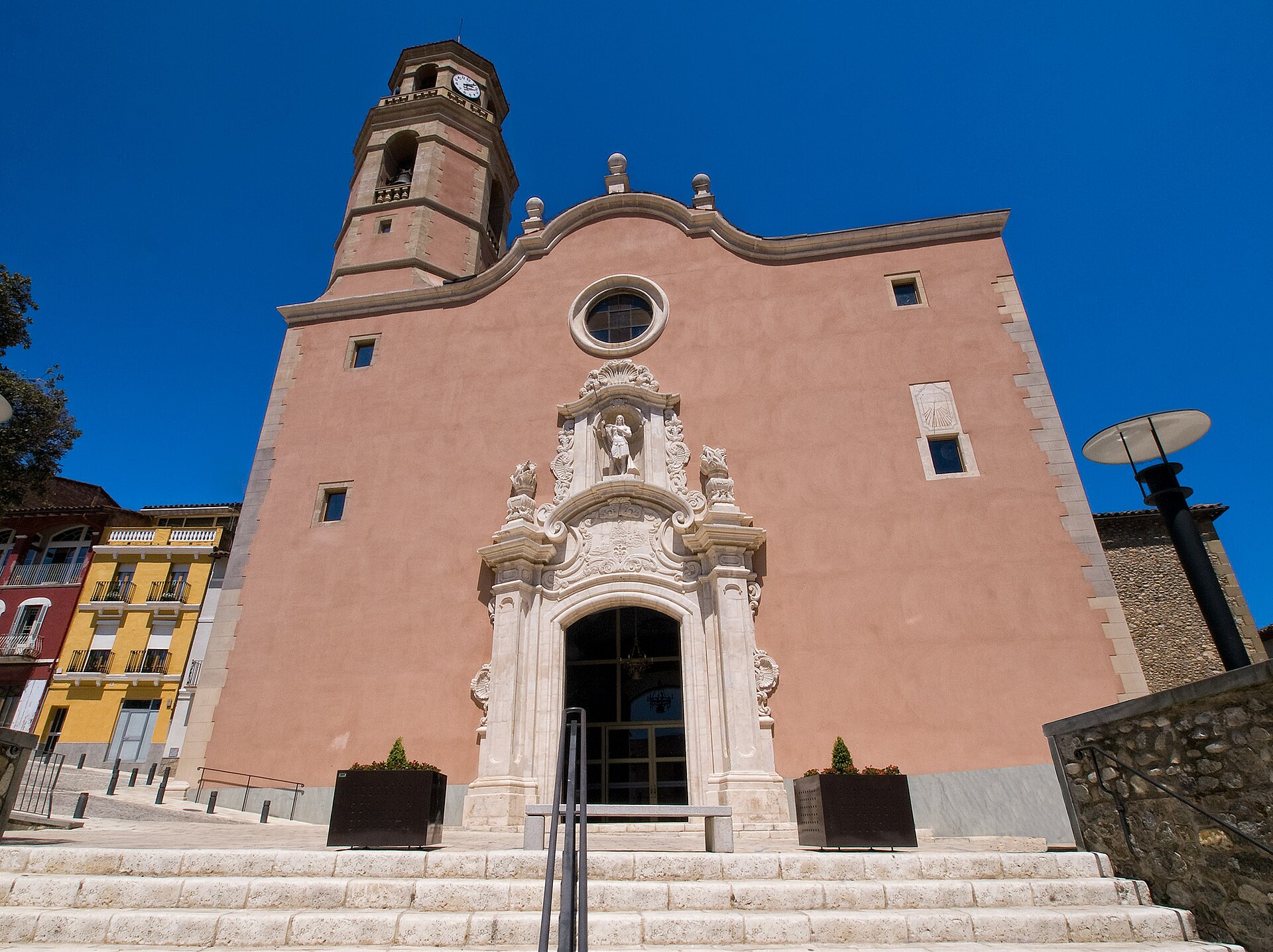
We’re not talking about the church in general, but about one of its workers. The parish priest Jordi Castellet, posted in Sant Hipòlit de Voltregà (Osona), has been removed from his post after it came to light that he had broken several of the vows every priest takes, obedience and poverty, not to mention a deadly sin or two, such as greed. Father Jordi Castellet invested the frivolous sum of 200,000 euros in the famous Nueva Rumasa promissory notes (Nueva Rumasa was the Ruiz-Mateos family’s business group, which collapsed in 2011).
According to the newspaper El País, after Nueva Rumasa fell, the priest tried to recover the lost money by asking parishioners for 50 euros a head, or 150 euros per family, for repairs to the church roof.
Somehow the investment came to light, and the priest had no choice but to acknowledge his reason for it: he was looking for a way to earn a return on the money, even though he knew the investment was risky, in order, once again, to fix the church roof.
That’s basically the news, but now a few questions come to mind. The first is: how, in times of crisis, does a priest have 200,000 euros while there are people who can’t afford to eat? If God’s temple isn’t made of gold and brick, why use that gold to repair brick instead of sending it where Jesus Christ himself would really want it to go: to those most in need, the poor, the dying, and so on?
As we’ve seen, God may be everywhere, but when it comes to investments he isn’t usually much help. Of course, Father Castellet can always tell his parishioners “May God repay you,” because I’ve lost the money.
Featured image: Araceli Merino, CC BY-SA 3.0, via Wikimedia Commons.



