

Editor’s note: This article was first published in May 2012, a few months after Kodak filed for bankruptcy protection in January 2012, with an update from September 2013 on its exit from bankruptcy. The 6,800 employees and the share price refer to that period.
Update, September 3, 2013: Kodak has just announced that it is emerging from bankruptcy after successfully completing its restructuring. Creditors are receiving shares in the new, reorganized company, the New York Times reports. So keep an eye on this company’s share price from now on.
One thing I’m sure of: Kodak will go down in history as the company that had everything going for it and one day went bust because it failed to adapt to changing times.
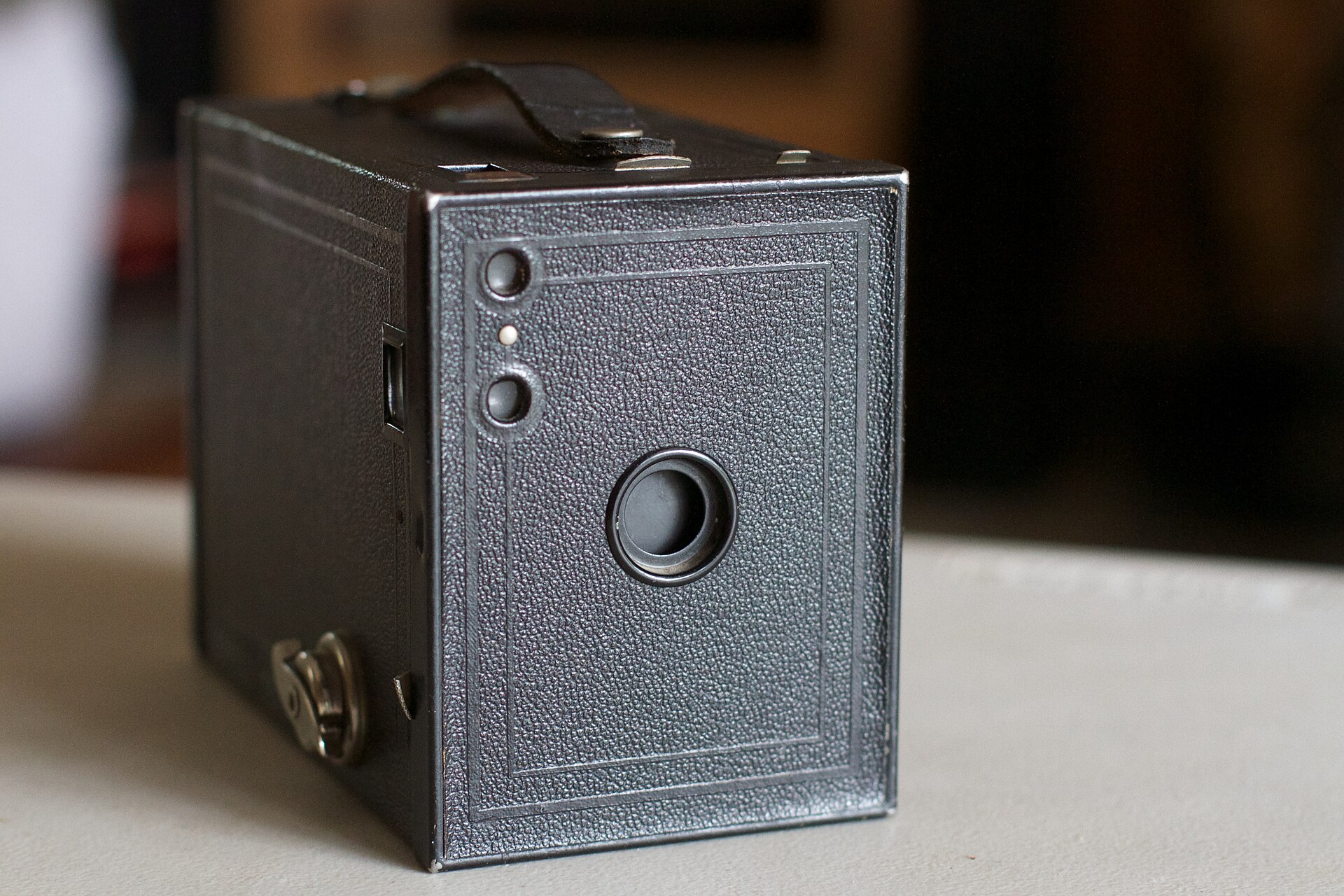
In 1892 the Eastman Kodak Company was founded by George Eastman, now considered the Steve Jobs of his day: a true visionary, an entrepreneur who changed the world (or the way we look at our memories). Every film that has won an Oscar since 1928 has one thing in common: it was shot on Kodak film. Thanks to Eastman’s invention, we were able to capture and immortalize the moment when man first set foot on the Moon.
Kodak was known for constant innovation. It was the first to create 16mm film. It made spy cameras for CIA agents and for the military. It was the first to produce full-color photos, the first to create single-use cameras and the first to make a product for taking pictures even underwater.
It sold 85% of the cameras and 90% of the film worldwide. It built a highly profitable business model around the low price of the camera, used as bait for the high price of developing the photos later on. In 1990, Kodak directly employed more than 30,000 people in more than 190 buildings.
Kodak shares traded at over 70 dollars. The company was in the right place at the right time, perfectly positioned and leading its market.
What are Kodak’s numbers today?
A few months ago, Kodak shares were worth just a few cents, until it was finally delisted from the stock exchange and announced that it was filing for bankruptcy. It now has only around 6,800 employees, who could lose their jobs if no agreement is reached.
The curious thing about Kodak is that many people think its failure was caused by digital cameras, when in fact Kodak was the first company in the world to build a digital camera, back in 1975.
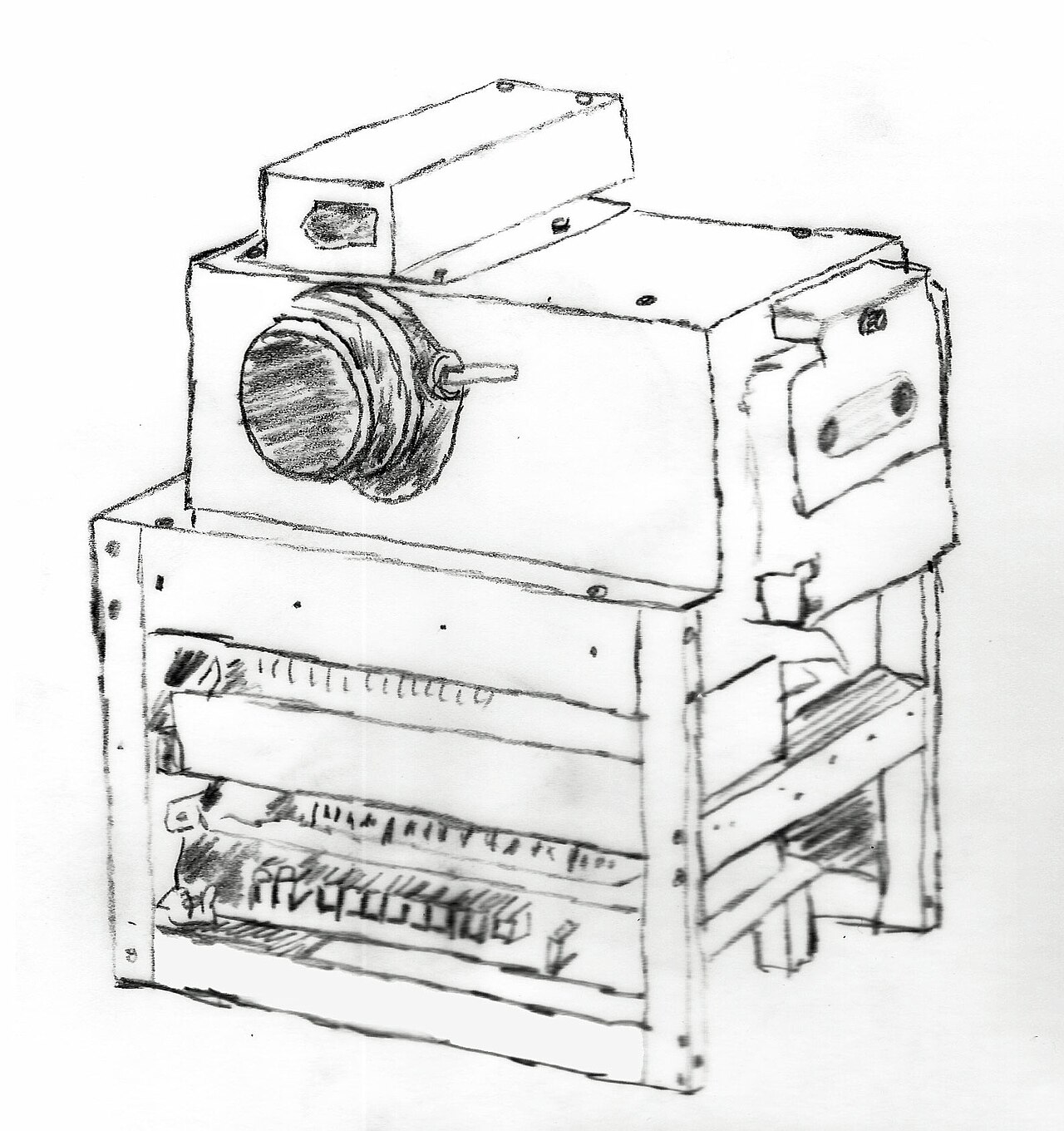
You could say it opened up the market that would later finish it off. Following its digital invention, the company entered its best period of innovation and, of course, revenue, until mobile phones arrived. With the internet, customers no longer needed to have their photos developed, and developing was where the company made its biggest margins.
So users no longer needed to buy cameras, since they had one built into their phones, and likewise they no longer needed to go to a photo lab, because some people print their photos at home and others simply keep them on their computers’ hard drives.
Where Kodak may have gone wrong
Look at a company that was considered Kodak’s competitor, Fujifilm. Seeing what was coming for the photography market, it quickly chose another path, diversifying into making and selling cosmetics.
Rumor has it that Kodak was offered the same thing, and was even given a few other ideas, ideas the company considered a shameful step down that would tarnish its image.
The point is that, just as there are companies worth studying because they had everything against them and still succeeded, Kodak was the exact opposite: a company that had everything in its favor (capital, market, experience, a dominant position and so on) and managed the hardest feat of all. It stood still, failed to innovate, failed to see the new times coming and failed to diversify, until it found itself technically bankrupt.
Some historians believe that if the company’s founder, George Eastman, were still alive, Kodak would have major deals with the leading companies that are now taking its market away. He would never have let the company end up in the danger zone.
George Eastman suffered from a degenerative illness that caused him severe pain, and at the age of 63 he took his own life by shooting himself. He left a note: “To my friends: my work is done. Why wait?”
Featured image: cogdogblog, CC0 1.0, via Wikimedia Commons.




