

Editor’s note: This article was first published in January 2013. The IBEX 35 dividend yields cited, such as FCC 12.8%, BME 11.7%, ACS 11.48% and Santander 10.4%, and the picks of Inditex and BME as good dividend payers date from that month.
First you have to decide which investment product to choose (and there are quite a few on the market), then whether to invest in equities or fixed income (and deposits are no longer an option), and after that comes stock selection, if you finally opt for shares, which isn’t always easy to get right.
Perhaps one of the strategies most used by great investors is investing in shares that pay good dividends. But for it to be a profitable investment, we need to be very clear about a few things before deciding to put that strategy into practice. (Read: Choosing stocks for their dividends isn’t always the best option)
1. A high dividend isn’t enough: it has to be sustainable
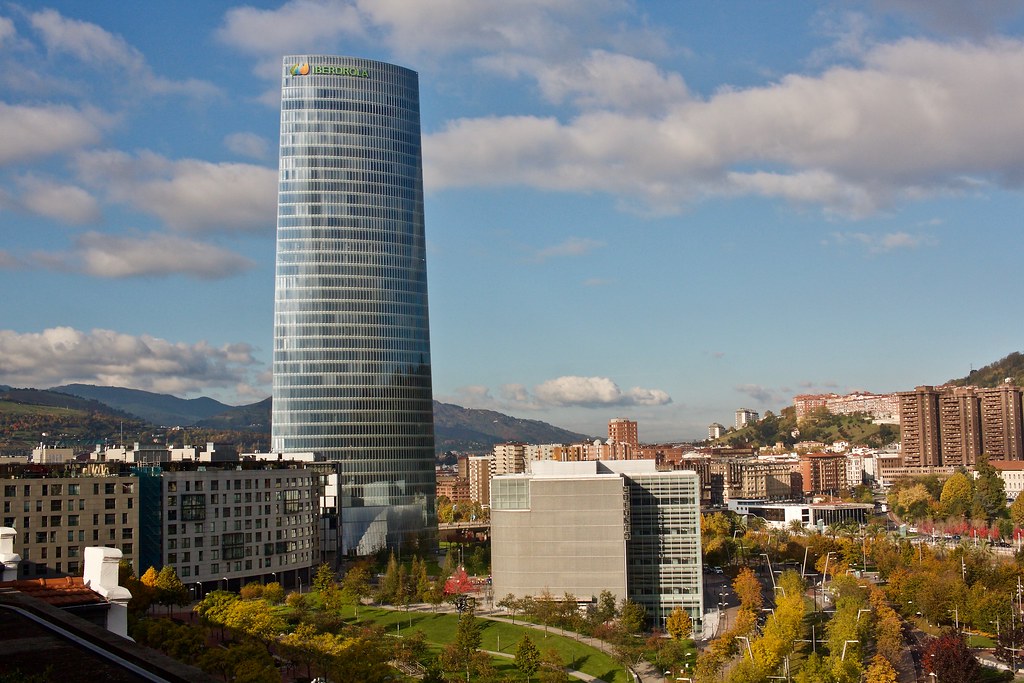
So far, the companies in the IBEX 35 (the Spanish stock market’s benchmark index) that have paid the best dividends are FCC (12.8%), BME (11.7%), ACS (11.48%), Santander (10.4%), Iberdrola (8.9%), Indra (8.7%), CaixaBank (7.8%) and Repsol (7.67%) (dividend yields on nominal value). Not all of them have a solid dividend. In other words, they could stop paying it at any time.
If we’re looking for solid dividends, we shouldn’t rule out buying shares in the most solid companies in the world, and those may be outside Spain, although in Spain Inditex promises to be a good dividend alternative, as does BME. We can also get exposure to the biggest global consumer brands, such as McDonald’s, Coca-Cola, Procter & Gamble and Wal-Mart, which pay good, solid dividends.
2. Follow the 10-year horizon rule
First, remember Warren Buffett’s words: “If you aren’t willing to own a stock for ten years, don’t even think about owning it for ten minutes.” If we set our investment horizon at 10 years and the company is solid, we shouldn’t worry at all about whether its share price goes up or down. In fact, if it falls, we can take the opportunity to buy more shares.
We talk about a 10-year horizon because you can take any 10-year period in the main stock market indices and you’ll find that, with a diversified portfolio held for 10 years, nobody would have lost money on the stock market, except the reckless investor who bought shares at the 2007 highs and still holds them, and even then… who knows… they might be in positive territory within the next 5 years.
3. Think like an owner, not a gambler
As we’ve said hundreds of times, the stock market is not a casino. If you only think short term, this investment strategy isn’t for you. To follow it, you mustn’t obsess over the market’s twists and turns: the only thing you need to keep in mind is the company’s earnings, and therefore its dividends. If the company grows steadily, the dividends will undoubtedly keep coming.
4. Reinvest the dividends
For this strategy to be really profitable, especially if you’re young and in the wealth-building phase, you should reinvest all of the company’s dividends in new shares of the company. Whenever you have the choice between taking the dividend in cash or exchanging it for shares, always choose the shares.
5. This investment approach is 100% conservative, even though we’re in equities
Investing in the stock market doesn’t have to be risky; what ends up becoming risky is the way you invest. That said, this approach requires patience (a quality that sets good investors apart). This kind of investing won’t be fun, but we’ll make money. If we invest for the long term, collecting dividends, benefiting from appreciation and averaging down when prices fall, it’s estimated that an average annual return of more than 10% is achievable. If we get in when the market is cheap and add capital gains on the share price to all of the above, the annual return can be quite surprising.
If you like this investment approach, congratulations: you have good taste in investing, because it’s part of Benjamin Graham’s method.
Further reading: Lessons from the few investors who beat the market
Featured image: Naotake Murayama, CC BY 2.0, via Flickr.


