Editor’s note: This article was first published in May 2016 and describes Charlie Munger as Berkshire Hathaway’s vice chairman at that time; its claim that he and Buffett avoided technology companies predates Berkshire’s large Apple stake, disclosed days later. Munger died in November 2023.
Now that there’s so much talk about the importance of emotional intelligence in leadership and careers, it’s worth remembering that it also matters in the world of investing. Charlie Munger, vice chairman of Berkshire Hathaway and Warren Buffett’s right-hand man, says as much.
Munger says he managed to amass a fortune of more than $1 billion thanks to a combination of hard work, intellect and emotional intelligence. Although he doesn’t usually spend his time giving investing lessons the way Buffett does, here we gather four emotional intelligence lessons for investors.
(See: Charlie Munger’s 5 steps to getting rich)
1. Take the time to understand human psychology
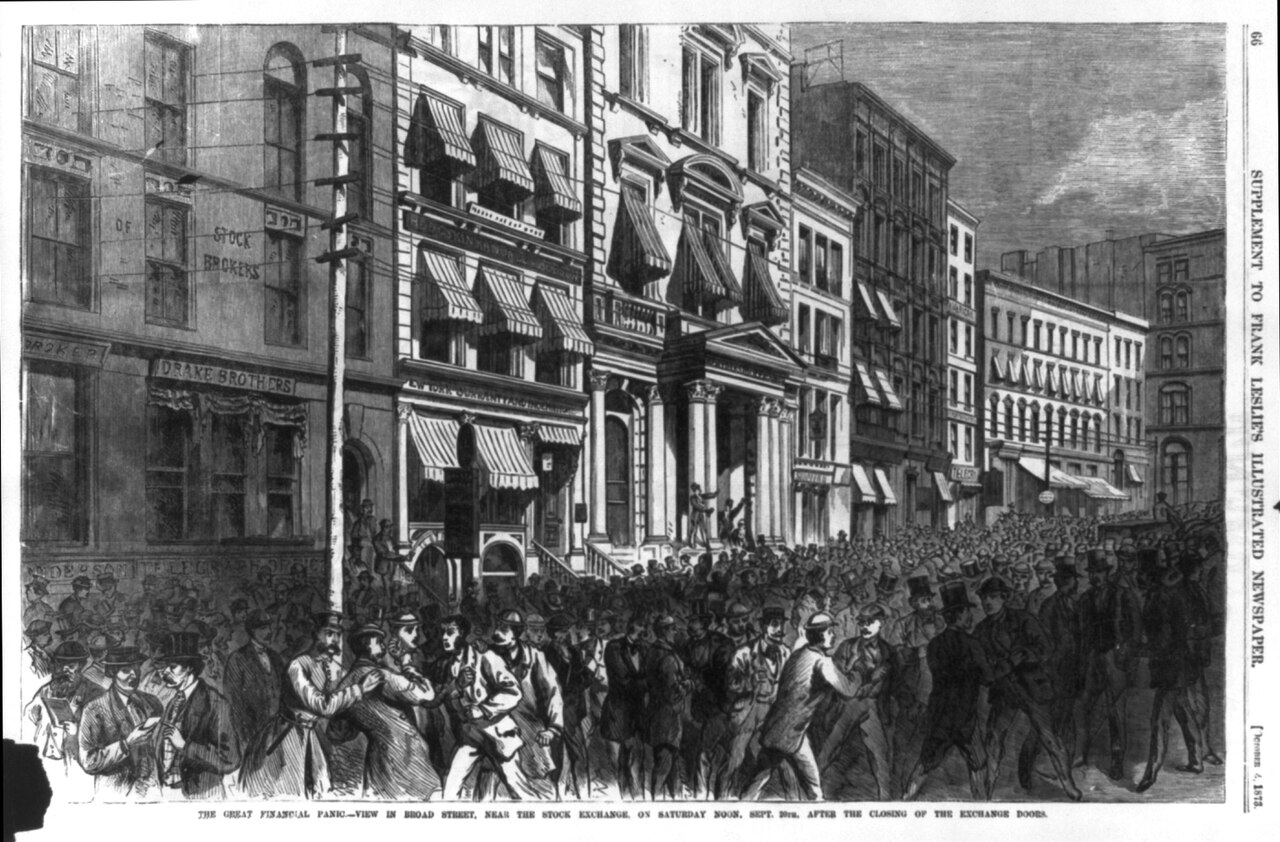
As we’ve said before, the best investors are more like psychologists than mathematicians, because financial markets are driven by two forces: panic and greed. And these two psychological forces are behind the biggest stock market investing mistakes.
Even rational, analytical investors often make bad decisions because of a whole host of cognitive biases that show up in investing. Numbers are numbers, but our brain can interpret the same number in a positive or a negative way, because of human psychology.
So we need to understand the psychology of investors, including our own, and profit from other investors’ mistakes. This is perhaps where the famous “buy when everyone is selling and sell when everyone is buying” comes in.
Statistically, most investors (who are really more speculators) end up losing money on the stock market, so by being on the opposite side from the crowd, our chances of winning go up considerably.
(See: Warren Buffett’s 16 best investing tips)
2. Patience and well-timed “aggression”
Following the advice of General Sun Tzu in The Art of War, young warriors used their strength and vitality to throw themselves into hand-to-hand combat on the battlefield. And many of them died. Meanwhile, the older warriors waited patiently, wore the enemy down and used all kinds of strategies to defeat the enemy more intelligently.
On the stock market, ambitious young people want to make money every day. Someone has sold them the idea that they can do it with the famous trading. But they’re going to perish on the financial battlefield.
Seasoned investors, on the other hand, wait patiently, without paying so much attention to the day-to-day financial news. When they see an opportunity, they attack. They’re in no hurry to get in. They simply wait for the opportunity to come within range.
And of course Munger, like his partner Buffett, is a believer in long-term investing.
3. Investing is about more than IQ
Investing isn’t a game where the guy with an IQ of 160 beats the guy with an IQ of 130. Munger attributes his success to his ability to keep his attention on the long term and avoid short-term distractions, not to his intelligence. Meanwhile, plenty of other people lose money trying to be clever.
In the end, the secret of investing isn’t trying to be clever, but avoiding being as foolish as the crowd.
4. Know your limits
Investment banker Li Lu, a close friend of Munger’s, wrote about how Munger taught him to focus and to take advantage of humility. “The real insights a person can gain in life are very limited,” says Li Lu, “so making the right decisions is necessarily limited to your ‘circle of competence’.”
That’s why both Munger and Buffett have probably missed out on a lot of money from the rise of technology companies, both in the boom of the 1990s and in the boom of Facebook and Google. They don’t really understand the technology sectors, so they focus on other kinds of sectors that they understand perfectly.
Let’s remember that in the end, after the dot-com bubble burst, many investment firms with high exposure to technology companies ended up going bankrupt.
See also: The secrets of investing in the stock market
Featured image: Miscellaneous Items in High Demand, PPOC, Library of Congress, Public domain, via Wikimedia Commons.