

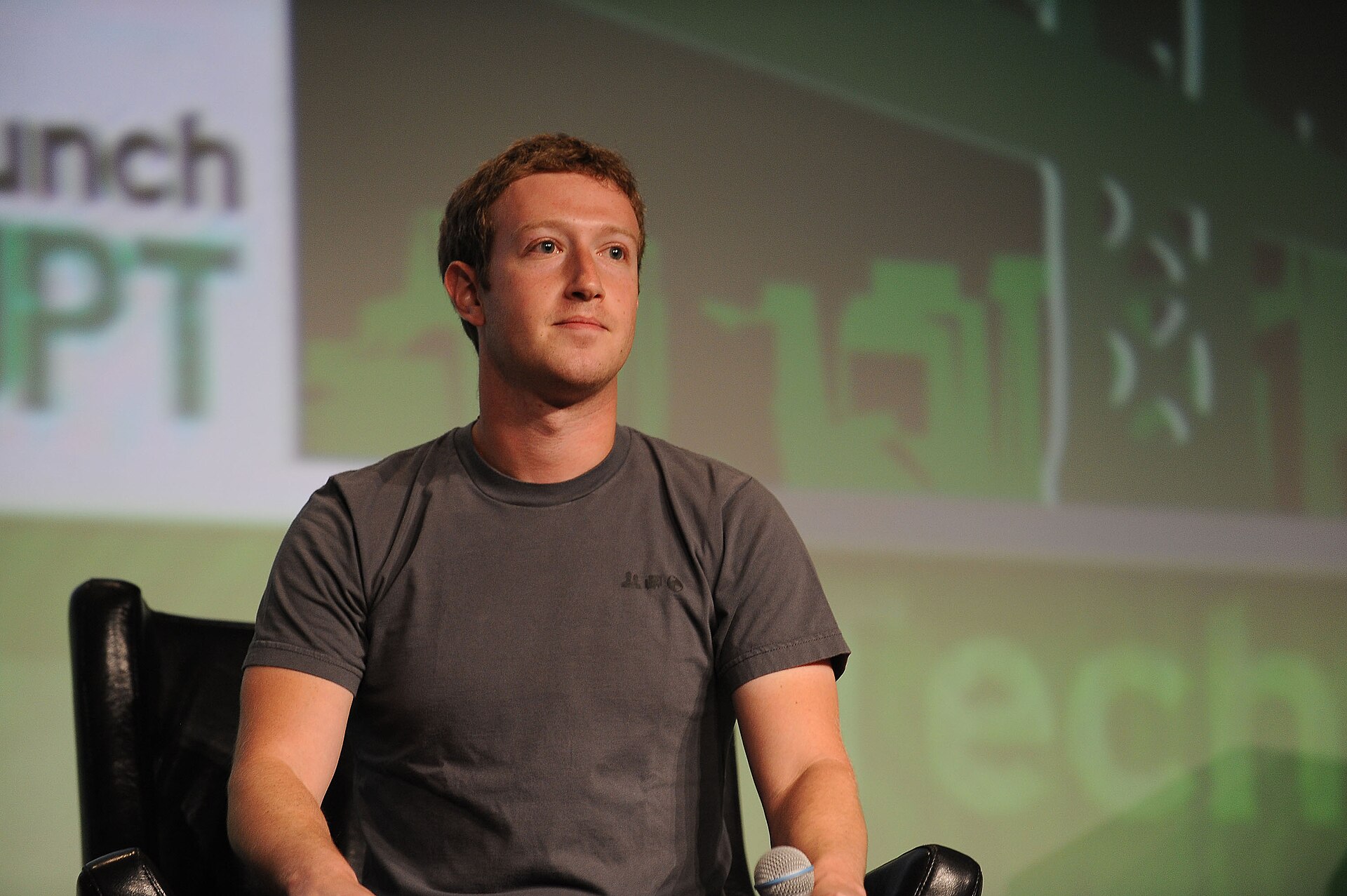
Editor’s note: This article was first published in May 2012, on the evening of Facebook’s first trading day, 18 May 2012. The intraday prices, the 0.61% gain, the 16 billion dollars raised and the price forecasts all refer to that moment. Facebook now trades as Meta Platforms.
Investors who had been eagerly awaiting the stock market debut of the big social network were left with a rather bitter taste. The feeling is one of disappointment. Facebook hit 45 dollars a share in its first minute of trading, then went into a tailspin back down to the initial 38 dollars. It later climbed above 41 dollars again before falling back to its starting level. In the end, Facebook shares managed to close with a modest gain of 0.61%, or 23 cents per share ($38.23).
It could have been much worse; luckily the stock held its ground at 38 dollars. Otherwise selling could have snowballed even further over a possible “total fiasco”. So what happened to make Facebook’s IPO stumble like this?
Many people are asking what happened. There are plenty of theories, but they can be neatly summed up in a few points and in plain language.
On the one hand, there was the technical failure. Reportedly, demand was so great that the debut had to be delayed by almost half an hour. During that time, word began to spread that the opening price would be 42 dollars instead of 38. Later there were rumours it could open at 44 dollars, so anyone who had sent a market order with a limit had to cancel it and send a new one, or simply think again and decide not to buy in at that price.
Trading desks were just as confused: because of the technical glitches they didn’t know whether they had bought shares or not, or whether they had paid 38 or 42, so they may have triggered automatic sell orders when they saw the price at 45 dollars.
Mark Zuckerberg made the mistake of inflating the share price too much, so for the first institutional investors, who had got their shares at a good price, the situation was obvious once trading began: “Why wait to sell when I’ve made a great profit in a minute?”
What happened next can be described very simply. As the “spectators” watched the shares move, many assumed the same would happen as with LinkedIn and that the shares would return 140%, but… that was far from reality because, as Gregorio Horga put it to me, there were “lots of small fish coming in and lots of big fish going out”.
Meanwhile, Bloomberg’s timing was impeccable: minutes earlier it had reported that Facebook would be sued for 15 billion dollars over tracking users. That also helped push the “panic sell” button.
Big investors made a lot of money by selling quickly. Many retail investors lost money because they had no choice but to buy shares at an inflated price that then fell. There was one big winner, though: Zuckerberg, who achieved his goal of raising 16 billion dollars.
What should we do with Facebook shares now?
I suppose the most sensible thing is to wait a few weeks, or perhaps months because, as we said in our previous article on whether to invest in Facebook, after the frenzy of an IPO this size the market will set the target price over the next two weeks. Now Facebook has to show that it can create value and grow its revenue. Perhaps one day Zuckerberg will announce a new advertising system outside the social network, a new app to bring in more revenue, or a change to its advertising, which is currently criticized as ineffective.
Some say we will probably see Facebook trading below 30 dollars; others don’t rule that out, but insist that before Facebook trades at 30 dollars we’ll probably see it at 150.
Finally, it’s worth remembering how lucky many Spanish retail investors were not to be able to execute their buy orders from Spanish platforms: placing a “market” order would have meant buying shares above 42 dollars, whereas now they can buy them at the IPO price (38 dollars).
Featured image: TechCrunch, CC BY 2.0, via Wikimedia Commons.



