

Editor’s note: This article was first published in August 2012, three months after the Facebook IPO. The share price, the lock-up calendar, the 1 billion users figure and every price forecast belong to that moment and have long been overtaken.
If Mark Zuckerberg could turn back the clock, I’m sure he would fire whoever advised him to raise the price range from $28–35 to $34–38 a share. All of Facebook’s troubles stem from overvaluing the company on the day of its IPO, which led it to keep certain information from investors. Had it gone public at $28 a share, I’d almost bet the price would have doubled on its first day of trading.
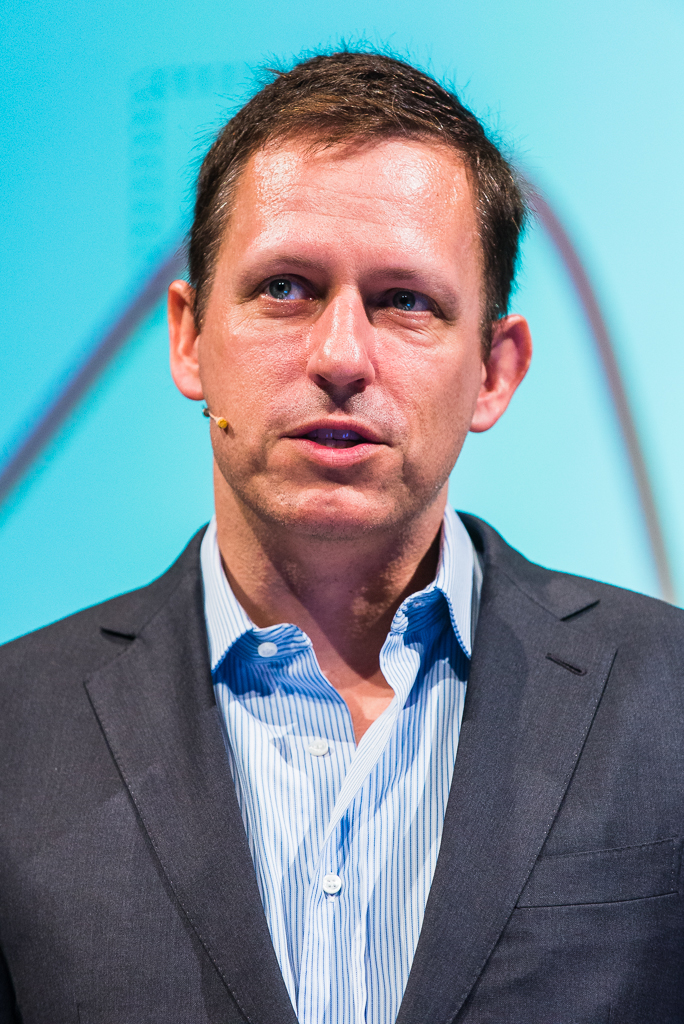
The fact is there is no going back, and we’ll never know. What matters now is to analyse both the company’s fundamentals and investor panic. I admit I was surprised that Peter Thiel, a loyal investor who was among the first to back the social network, has sold off 20 million shares. Many Facebook employees have also seen their dreams of wealth cut short. They were going to become millionaires thanks to the company’s stock; instead, three months later, the shares have lost 50% of their value and look set to lose even more, so they may sell at the first opportunity they get.
Facebook now faces a series of lock-up expiries: the end of the periods during which employees and institutional investors are barred from selling. After the first one expired (15 August), a wave of selling knocked the stock down 10%. More expiries are due in October, November and December 2012, with the last on 17 May 2013, so a total of nearly 2 billion shares could hit the market and send the stock tumbling.
Few investors, weighing the doubts over Facebook’s ability to grow its revenue together with the lock-up expiries, will dare to bet on a bullish scenario. Unless Facebook were to post quarterly results far better than expected, which, it must be said, is unlikely in the short term.
Divided opinions on where Facebook’s stock is heading
Now comes the guessing game over where Facebook’s share price will go. The most common advice from some experts is to wait at least until the December lock-up expiries and for Facebook to report its results at the end of the half-year. By then, some predict, the stock could be trading at $11 or even lower, especially if panic does its work.
Other experts, of course, warn that the stock has a lot of potential but is a victim of its own blunder, and the waters are still choppy. Besides, the market now moves from quarter to quarter without assessing a company’s future potential.
They don’t rule out Facebook trading above $200 a share, and some even dare to put the figure at $400. Today people talk about Facebook as a social network that struggles to make money on mobile, but very few consider that the Facebook of the future could cover much more.
Facebook could start a physical products business; there was even talk that it was preparing its own mobile phone. Perhaps one day Zuckerberg’s company will diversify into other kinds of products that have nothing to do with a social network or the internet (Google itself is diversifying into renewables and vehicles). Perhaps Facebook will become the leader in mobile advertising, thanks to the interest it is showing in all kinds of mobile apps.
Perhaps Facebook will acquire an advertising system similar to Google AdSense, where websites and blogs can place ads from Facebook’s advertisers.
Perhaps Facebook will acquire its own online games and push Zynga off the social network, taking its profits for itself. And while it’s at it, perhaps it will end up offering company discount coupons, as Groupon does today.
Our colleague Victoria Bernal often says that we sometimes forget the power of a database of the personal tastes of 1 billion people, which could become 2 billion in the coming years. She also reminds us that Facebook and Google employ the best tech professionals in the world.
It’s hard to put a price target on a company when we don’t know how far its potential can go. Facebook’s current situation is reminiscent of the doubts that surrounded both Google and Apple in their early days. Then again, other experts think Facebook could disappear in less than 10 years. As you can see, there are opinions for everything.
Featured image: Dan Taylor, CC BY 2.0, via Wikimedia Commons.



