

Editor’s note: This article was first published in March 2011. It describes Fluff as a new company at that time, with founders aged 21 and no turnover figures; its current status is unknown.
Today we look at Fluff, a company started by two young entrepreneurs. At 21, with two different skill sets and one shared business idea, these two young people answer some of the questions about what to do when you finish your degree and can’t find a job, and they also give us a lesson in how to combine two different skills to build a company together.
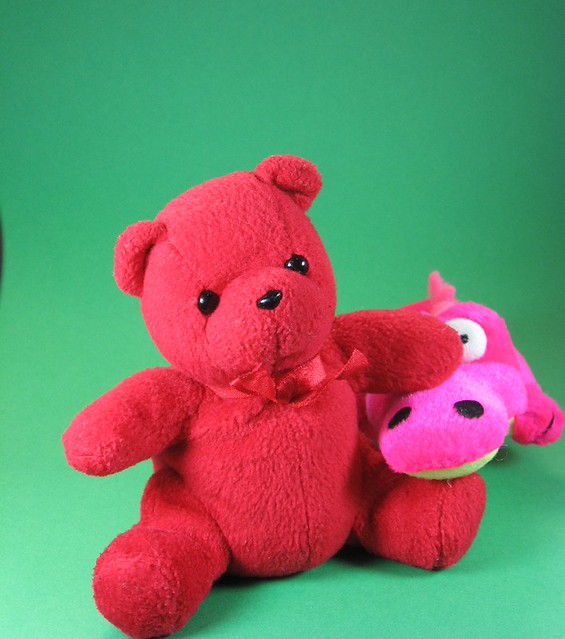
Fluff has created an innovative toy brand whose toys help children overcome their phobias and fears. The toy market is profitable, although it is admittedly saturated, so innovation was essential.
The company is made up of Marta, a young psychology student, and Alberto, a young graphic designer. As you can see, they have little in common, yet they complemented each other by putting their knowledge on the table.
Marta brought her experience in psychology and education and her passion for children. Alberto brought his experience in what he did best, graphic design, to go on to create a brand. At 21, they entered a competition for entrepreneurs and their idea was selected. With the prize money (€6,000) they launched their company and found manufacturers to carry out the project.
We don’t have turnover figures for the company, but it is expected to have a bright commercial future.
With this story, which I hope will serve as motivation, we can draw several conclusions that we have covered in previous articles:
1. Having a degree doesn’t mean you have a job, but it does give you knowledge that, if you can’t find work, you can use to start your own company. As we have said before, these days starting a business is not an option for many people but a necessity.
2. Age doesn’t matter when it comes to taking risks. You can achieve business success at 18 or at 55. The sooner you start taking risks, the sooner you can pursue your dream; and if you fail at 20, you learn from your mistakes earlier and have a whole life ahead of you to start again.
3. Success is all around you: in your friends, anywhere. In this case, a psychologist and a graphic designer were able to combine their knowledge. Have you ever asked yourself whether you know someone with the same interests as you and with knowledge that complements yours?
4. Innovating means copying and improving the product. It doesn’t matter how saturated the market is. You can take someone else’s business idea and then innovate on the product or service to improve it and carve out a niche in a crowded market.
5. Nothing ventured, nothing gained. These entrepreneurs took the risk and succeeded. The possibility of failure was there; once you have accepted that, all that’s left is to try.
See also: Success in life is not a marathon but a maze
Further reading
- Business ideas for 2011
- Business ideas in leisure and tourism
- The advantages of starting a business in times of crisis
- Why new businesses fail
Featured image: Steve Johnson, CC BY 2.0, via Flickr.


