Editor’s note: This article was first published in February 2011. This satirical piece refers to Spanish measures of that time: the anti-smoking law in force from January 2011, the Sinde law on online piracy, and the 110 km/h motorway limit, a temporary measure later reversed.
The one thing you can say for this country is that few others can boast of a government that plays the parent to its citizens, and best of all, it is always for our own good. Just as our parents used to tell us when we were children, “You’ll understand when you’re older,” all that’s missing here is a big sign with the message: “You’ll understand when you’re a minister or a governor.”
The aim of any country is to move forward, and of course, in a time of economic recession, the least we can ask is that they look after our wallets. And that is exactly what they are doing, even though some people are so suspicious that they think these are just revenue-raising measures. Honestly, some people!!! But that’s what we’re here for: to pass on the reassuring message that it’s all for our own good.
1. They told us how to run our businesses.
Always with the business owner’s own good in mind, the anti-smoking law has been a boon for bar and restaurant owners, who tend to be ungrateful and fail to see a very simple message: “fewer smoking customers means you’ll need fewer staff, and so you’ll save on insurance.”
This is not crazy at all, since bar and restaurant owners will now have more time for their families, now that their clientele has shrunk by more than 30%. Those who criticize this measure should admire the fact that, with unemployment where it is in our country, they have looked after our health even knowing that the measure could push unemployment up.
It is worth noting that they have taken into account that the smoker who no longer has his coffee at the bar now hardly smokes at all. In fact, he’ll probably give up the habit so he can better enjoy places of leisure.
See also: Tommy Douglas’s speech: governments of cats can’t govern countries of mice
2. They taught us to use the internet.
The Sinde law is another measure that few people have known how to appreciate. At a time of crisis, when going to the cinema is a big expense for anyone, this measure aims to stop people from enjoying their internet connection (one of the most expensive in Europe), so that they take up other, healthier activities and spend more.
For example, instead of enjoying a good film in your own home, a moment when you’re not spending and are therefore holding back the economy, this measure aims to get you out spending, at the bar on the corner, say, where you can keep company with the bar owner whose clientele has shrunk thanks to the anti-smoking law. Although if you’re a smoker… well, anyway… you’ll think of something to do with your free time.
3. They’re teaching us to drive.
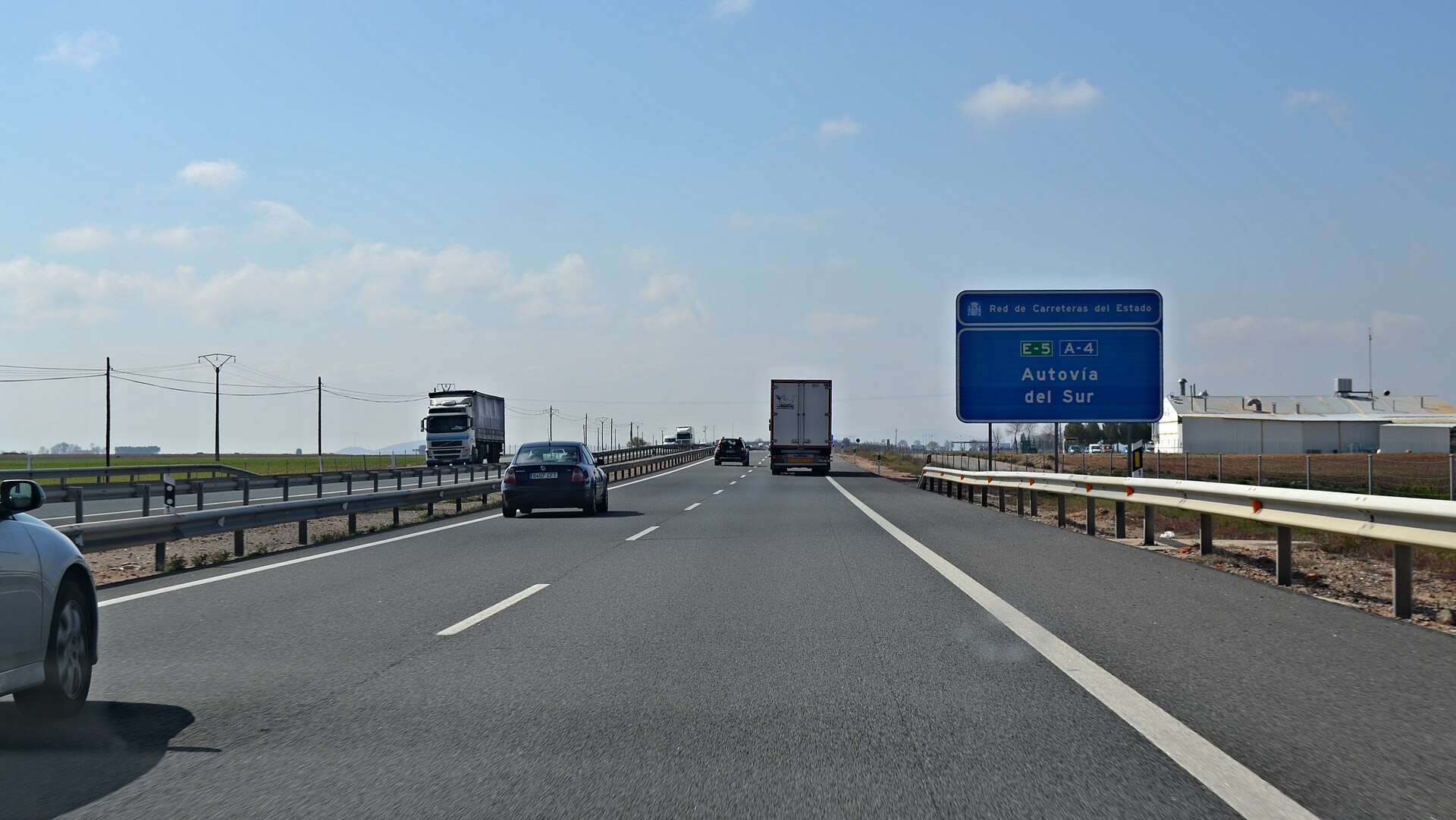
Of all the things the state does for our own good (and never with revenue in mind, let that be clear), this is the one I can least understand anyone criticizing. You have to admit that at 120 km/h on a dual carriageway, besides being a public menace, you hit your wallet harder by using about 0.10 euro cents more every 100 km. At 110 km/h, on the other hand, you’ll drive more relaxed and have time to smoke a cigarette at the wheel. That way you make the most of it, because as soon as you get out of the car you won’t be able to smoke (although I’m no longer sure whether you’re allowed to smoke while driving or not).
You’ll have heard some rebel against this new speed-reduction law say that it does nothing for fuel consumption, and that, with cars as powerful as they are, the solution might be to raise the speed limit to 140 km/h and improve the roads, since dual carriageways are precisely where the fewest accidents happen compared with urban and interurban roads.
You’ll also hear that the solution would have been the electric car or vehicles running on alternative fuels, the ones governments kept off the market so as not to hurt the big oil companies.
These “rebels” tend to think that if a measure taken for our own good comes with a revenue-raising fine attached, it must be nothing more than a revenue-raising measure.
In most cases, these people’s conspiracy-minded nature may be largely down to boredom: they can’t watch a film at home, and they can’t go to bars either, because they can’t smoke in them.
We’ll see it soon enough, when they are “saving” in their cars on a trip from Andalusia to Madrid at 110 km/h. That’s when they’ll have time (plenty of time) to reflect that all this is for our own good.
What other country can boast of rules that, even though they always go against the majority of Spaniards, are made for our own good? I can’t wait to see what they teach me next.
Featured image: Emilio J. Rodríguez Posada, CC BY-SA 2.0, via Wikimedia Commons.