

Editor’s note: This article was first published in April 2015. Its membership figures (over 2 million in Europe, 1 million in France) are company data reported by BBC Mundo in March 2015. The lawsuit was pending at the time, and its outcome is not covered.
Every successful business idea starts the same way: we find an existing demand and offer a service or product to meet it. That is how clearly these French entrepreneurs saw it when they decided to create Gleeden, a dating website aimed at married women who want to have an extramarital affair.
Infidelity exists in every country, so the website simply makes the process easier. But… can a dating site promote adultery when the law states that a marriage must be faithful?
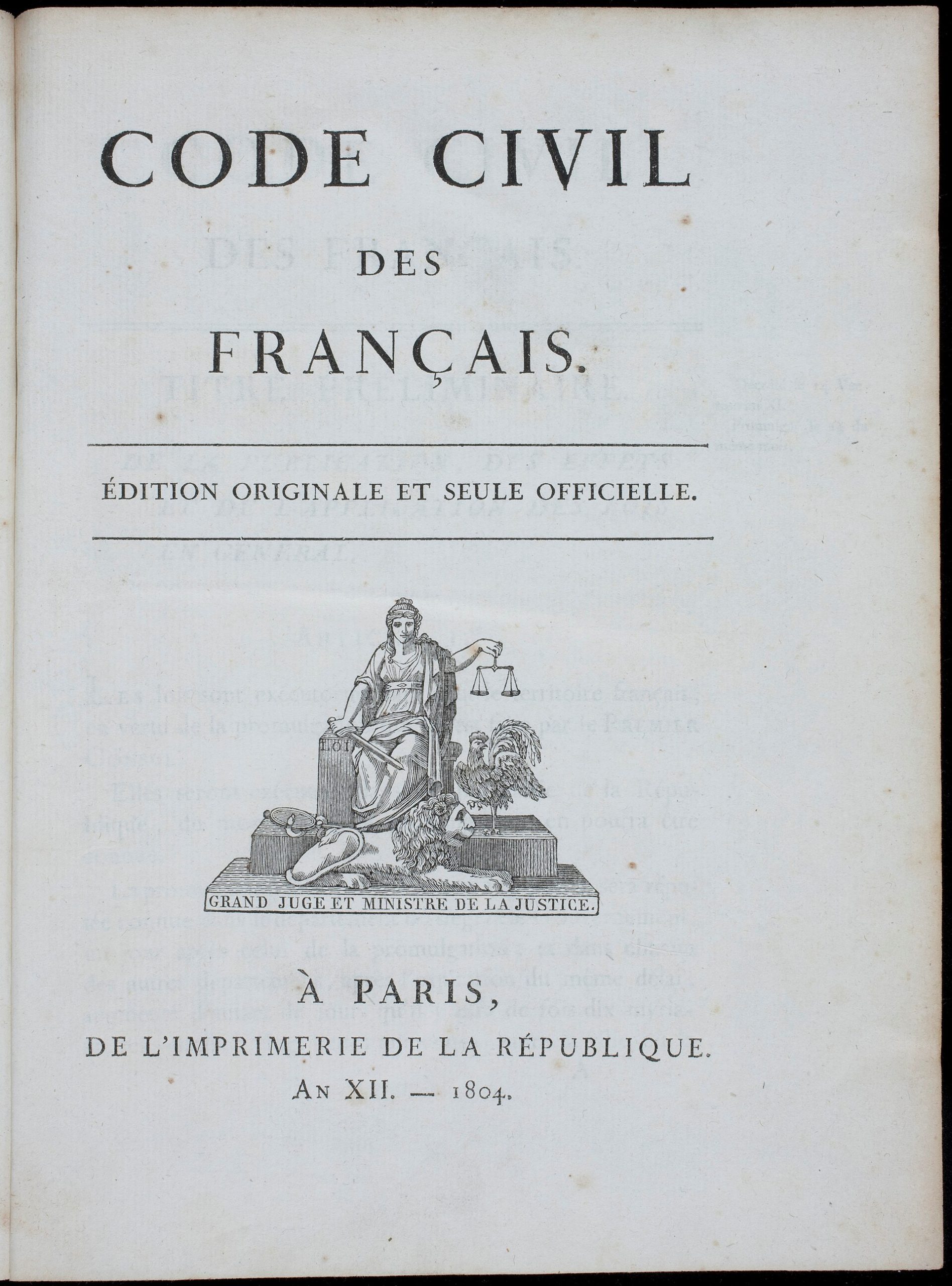
The company has been sued by the Association of Catholic Families, which felt offended and attacked by the website’s advertising. And at first glance, it looks as if the lawsuit could finish off the company, since the concept of fidelity is clearly set out in the French Civil Code: “married spouses owe each other fidelity, support and mutual respect”.
Why go after Gleeden?
That is the big question, because there are hundreds, perhaps thousands, of websites that encourage people of both sexes to have affairs. But in France (the land of liberty and equality), aiming the business exclusively at women apparently did not go down well.
Let’s be realistic: when a business of this kind is aimed at male infidelity, it would not be profitable without female profiles to have the affair with. In Gleeden’s case, going straight for women means the men come on their own.
Married women are this company’s market, and among conservatives and Catholics, the idea of making female infidelity acceptable and fun causes great horror, while nobody talks about male infidelity and the hundreds of sites that promote it. That reveals a dose of covert sexism in the crusade against this company.
Gleeden’s controversial, attention-grabbing advertising
The dating site has not held back on spending on all kinds of advertising. On buses and in metro stations you can see large posters of an attractive young woman dressed as a bride crossing her fingers behind her back, an image that for conservatives and Catholics says: “wedding vows and promises are for fools”.
Gleeden’s business in numbers
Gleeden is currently a very profitable company. Founded in 2009, it now has more than 2 million members in Europe, a million of them in France, and it has already expanded to other countries such as the United States.
Women do not have to pay to sign up, while men can buy credits that give them different levels of access to contact these women. According to figures the company gave to the BBC, 80% of the people who use the website are married. The BBC also gathered testimonies from some of the service’s users.
A 44-year-old Parisian woman says she uses the service because she loves her husband, but he does not satisfy her, and she does not want to divorce him. For her, in her situation, a service like this makes it easier to be discreet about something she was going to do anyway, with the difference that here everything is clear from the start. It is an affair that will never go beyond that stage.
Pros and cons
For its harshest critics, this service is the devil himself, because it sells and promotes infidelity and makes money from it.
For Gleeden, it is much simpler: “We didn’t invent adultery. It has existed since the beginning of time and it will go on existing. We are simply meeting a demand that already existed.”
The debate this case opens up goes much further. The real question will not be whether a company can profit from adultery, but the separation of religion and state, something that exists in many countries today.
Featured image: De l'Imprimiere de la République, CC BY 2.0, via Wikimedia Commons.



