

Editor’s note: This article was first published in August 2012. It describes Colin Powell as US Secretary of State, though he held that post from 2001 to 2005 and was already a former secretary in 2012.
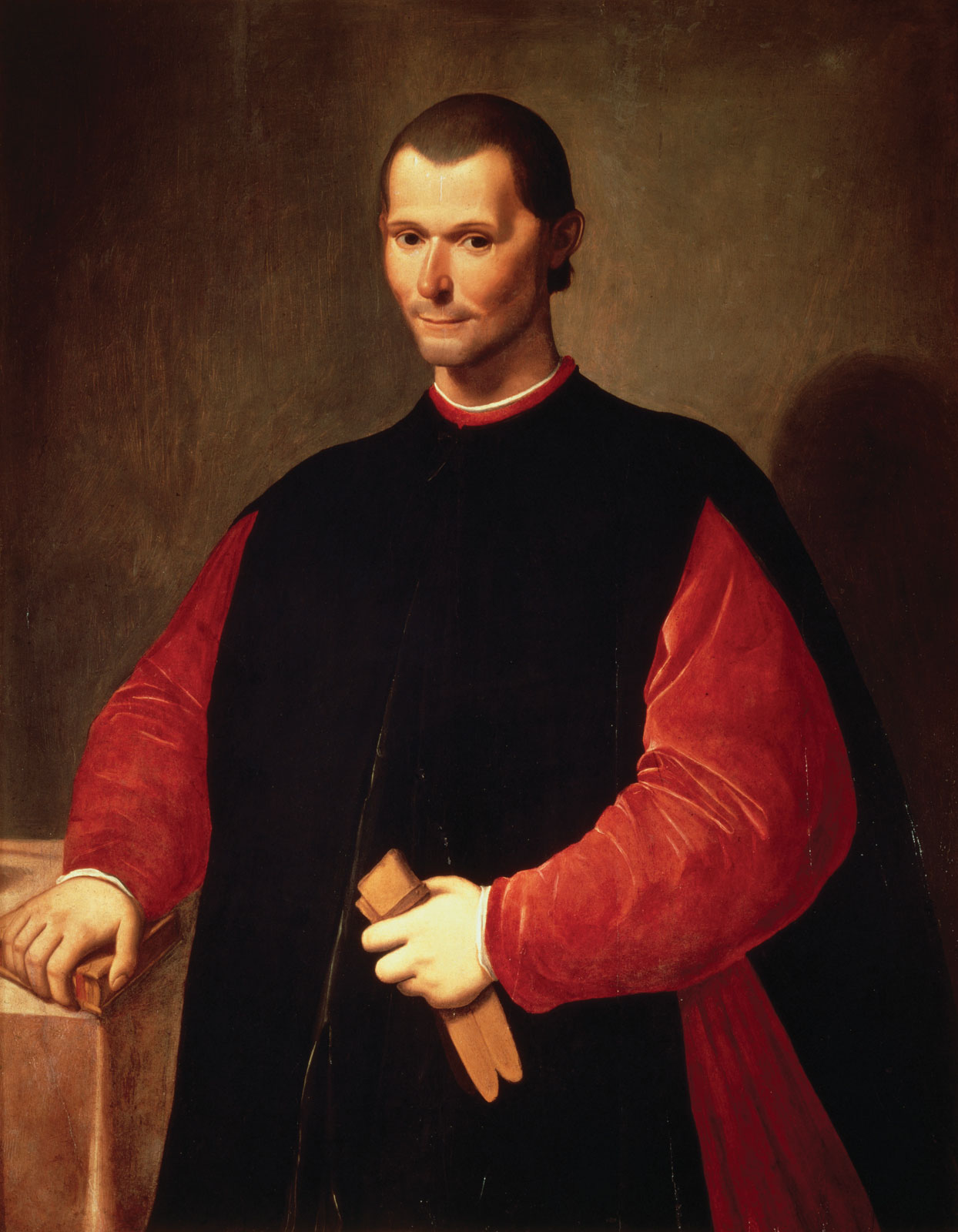
Probably one of the best pieces of advice anyone can give a leader comes from Machiavelli, who said that a good leader should know the history of great leaders, study what they did in the past and adapt it to his own current situation. In the same way, Machiavelli himself said that a leader should be feared rather than loved. Of course, that advice needs adapting to modern times.
A leader should be both feared and loved. Feared by the competition and loved by the team. Perfection in leadership comes when your competitors fear and admire you at the same time: they admire the work you’re doing and your professionalism in what you do, and they fear you because they know you’re capable and won’t take long to overtake them.
1. A leader should never appear vulnerable to others. He has to control his emotions. That way, when the moment comes, he’ll see things coolly and be able to make smarter decisions.
2. Analyze victories and defeats. Not only your own. You should analyze other leaders’ victories and defeats, with the aim of copying the actions that led them to victory and avoiding the ones that led to defeat.
Sun Tzu and The Art of War
The strategist Sun Tzu left two good pieces of advice in his legacy.
3. A leader is quiet and doesn’t draw the attention of his enemies (the competition) until, as in chess, he is perfectly positioned, so that by the time the competition notices his position, it will already be in checkmate.
4. Every leader must have a defined strategy, an exit strategy and a backup plan. That way there are no unexpected results.
5. Choose people you trust. There’s nothing wrong with your employees speaking frankly to you, being honest and always telling you what they think; in fact, you should show that you can hear the truth without taking offense. But… the moment everyone can speak to you frankly and tell you the truth, you’re one step away from losing their respect. That’s why a leader should choose a small group of trusted people, and only they should be able to speak to him that frankly.
6. Make up for your gaps by working with the best. We’ve said before that a leader doesn’t have to know everything, but he does have to be able to choose people who make up for his gaps in knowledge. Steve Jobs wouldn’t have made it without his four commanders, and Donald Trump couldn’t be in Las Vegas without his generals. If you surround yourself with mediocre people, that will be the result of your project. If you surround yourself with the best, you’ll be the best.
Colin Powell’s lessons
Colin Powell, who served as US Secretary of State, offered his own view of smart leadership in a series of tips:
7. A leader who treats all his workers equally nicely, regardless of their contribution or productivity, only makes the most productive and creative workers in the company start to feel uncomfortable and undervalued.
8. Don’t be afraid to challenge or contradict the people who are on your side. If you have a team member who always says yes to you, to everything, then one of you is redundant.
9. Follow your instincts when making decisions. Never wait until you’re 100% sure. If you can gather 40% or 60% of the information you need to make a decision, make it based on your intuition, because if you wait until you have 100% of the information, by the time you act it will probably be too late.
10. A leader isn’t perfect and never will be, but he is aware of his imperfections and works every day to improve on them.
Further reading
Featured image: Santi di Tito, Public domain, via Wikimedia Commons.



