

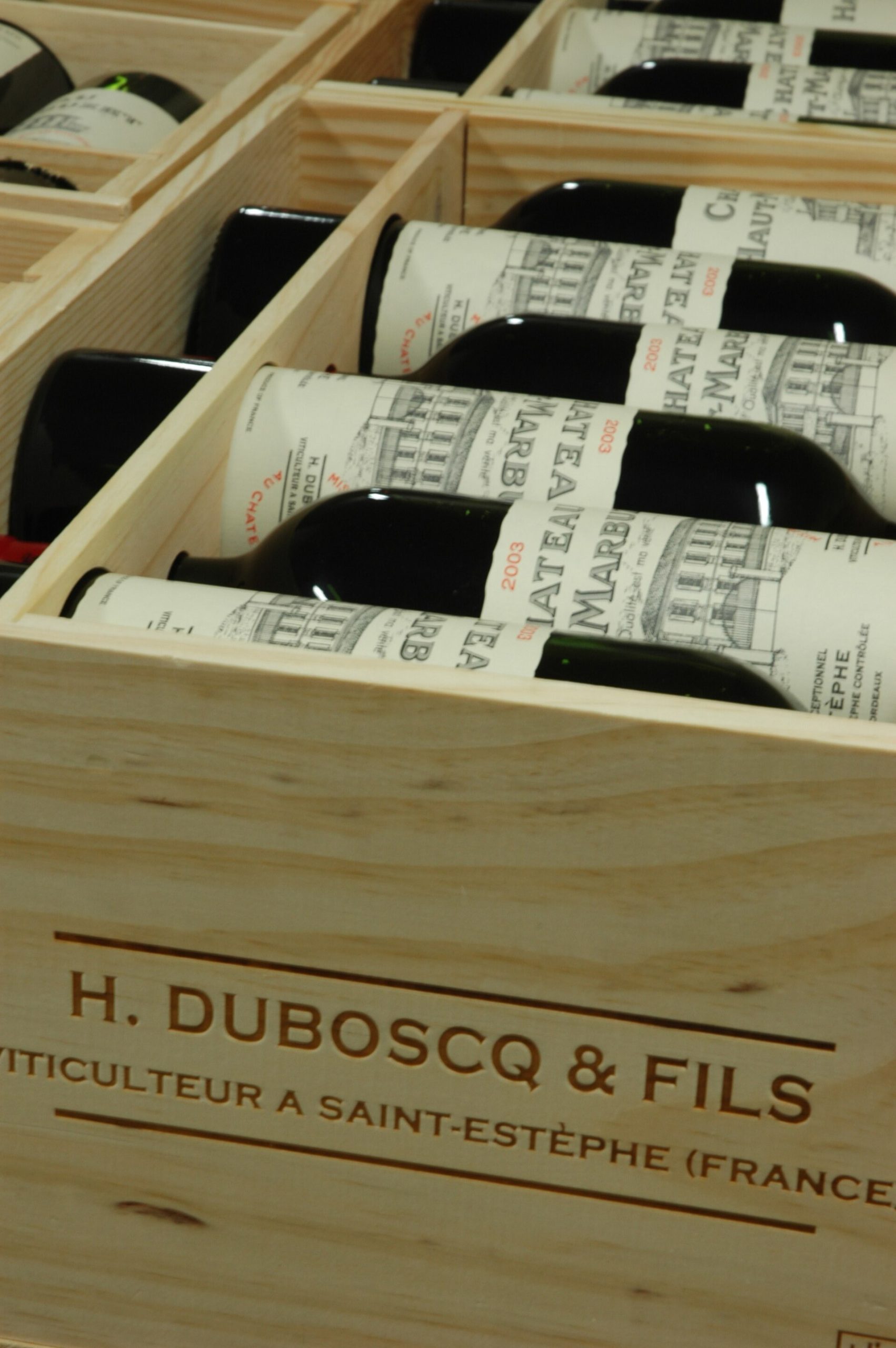
In a recent thread in the LinkedIn group Directivos y Dirigentes (Managers and Executives), an interesting debate opened around the question: “You’re the manager of a company. A supplier gives you a case of good wine, an excellent document briefcase or a laptop, to give a few examples. What would you do?”
I was surprised by many of the answers, some of them over-polished for the sake of one’s image on LinkedIn, and others that would prove something I’ve been noticing in Spanish companies for a while.
Practically all the answers were the same:
- Thank them for the gesture, return the gift and ask them not to send any more.
- Raffle the gift among the company’s employees.
- Refuse it and explain that it goes against my policy or company policy.
All very well, but this isn’t about what would be ethical or moral, because you have to tell a gift from a bribe: accepting a gift doesn’t mean we’re going to grant a licence to build an airport or award a public works contract, as some politicians have done. What’s more, you can wreck your collaboration with the other company over a simple gesture that could be misread. Let me explain, although those who know me already know that diplomacy is not my strong point:
-
If you have a Japanese client, simply turning down an invitation to have tea can be taken as a huge lack of manners and respect. Returning a gift from a Japanese supplier would almost certainly ruin your business relationship (it’s their culture).
-
Many companies hire managers for their book of contacts. Personally, I’ve worked with the same clients and suppliers for more than 15 years. I received gifts when I was an employee, and I still receive them on certain dates now that I don’t work for any company. I’ve met them for Sunday lunch and have even gone to their relatives’ First Communions and christenings. That’s my business relationship.
Over time, more than clients, they’ve become friends (although we’re all clear that business is business), and one thing must be clear: they’re my clients and suppliers, not those of whatever company I happen to work for. That was what gave you value in the market in the eyes of the business world (at least it used to). Personally, I’ve racked my brains to find out the tastes of many of the managers I dealt with so I could give them something special as thanks and in appreciation of our collaboration. If someone had come up with the brilliant idea of rejecting my gift with a note along the lines of “it’s not my policy” or “thank you for the gesture, but please don’t send gifts again”, the first thing I’d have thought is that the guy is an idiot, on top of being offended at the suggestion that I was trying to bribe him.
For me, giving something to the people I do good business with is telling them that they matter to me, that they’re not a number in my customer database. That I look after my clients and suppliers, and of course that I want them to look after our business relationship. In fact, I think companies should invest more in this kind of gesture instead of sending the typical “impersonal” Christmas card.
- Handing out or raffling gifts among the staff, once again, shows something I don’t agree with. The first question would be: “What if the gift goes to the most incompetent person?” The second is that you don’t give an employee handouts; you give them what they deserve.
In fact, most Spanish companies are always penny-pinching to avoid paying the commissions a salesperson is owed. If a salesperson who is already annoyed about this receives a bottle of wine from a case given to his boss, he’d be perfectly entitled to tell him where he can stick his case of wine and to pay him what he’s owed.
In short, and as I said in that same debate: if you’re prone to corruption and not very trustworthy, refuse the gift to avoid the temptation of being bribed. If you’re a person of integrity who does things properly, appreciate the gesture and don’t even think of snubbing it. If you think your company is a raffle stall, raffle the gift; or if, on the contrary, you want to give your employees handouts or crumbs, share it out.
That’s my humble personal opinion, at least.
Featured image: HuguesDuboscq, CC BY-SA 3.0, via Wikimedia Commons.



