Editor’s note: This article was first published in October 2010. It is news about the Street View Wi-Fi data case in Spain, and the proceedings described were current at that time.
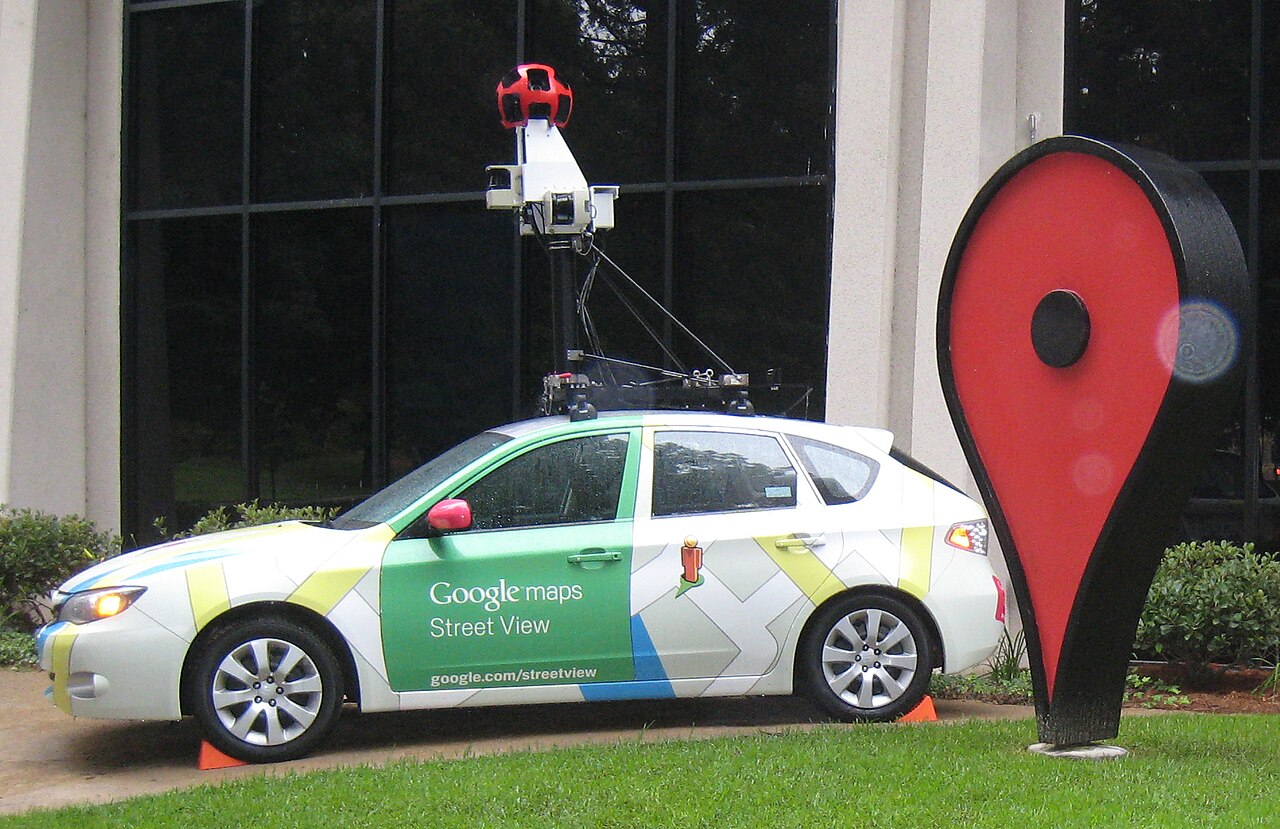
We recently talked about the request for Facebook to be investigated over privacy violations online, and Google was not going to be left out. Google will have to face the Spanish courts over the alleged misuse of its Street View service, which collects imagery of every street in cities around the world and is currently the most widely used online street map among internet users.
There was already controversy when the first complaints appeared from people who were not at all happy that cars and houses were being photographed to “build” its online street map, but now the accusation goes further.
Google is accused of using its cars to sweep up the Wi-Fi signals of internet users in the area, collecting email addresses, instant messaging usernames, first and last names, and access codes and passwords of all kinds.
Google, of course, admits that this happened, but says it was accidental and apologises for it. The company says it has not used this kind of data and never intended to use it in any way.
While Google Inc. already had cases open in the United States for breaching confidentiality, now it is the turn of Google Spain, which is accused of committing five offences: three very serious and two serious.
This news should make us think about how vulnerable our personal data is and how easily it can be obtained, because if Google has done it, anyone can. That said, we should remember that every time we use the internet or hand over our password for any kind of transaction, that company collects our data and stores it under its privacy policy, and nobody guarantees that it will follow that policy to the letter. In fact, as a rule it isn’t followed, since our inboxes are bombarded with all kinds of spam.
Even so, I don’t think the matter should go this far. Google admits its mistake, apologises, and what’s done is done. A mistake by a company like this shouldn’t be pushed so far. Then again, this “witch hunt” over the mistakes of tech companies may be driven by governments’ need to raise revenue, since the money from the fines won’t go to the internet users whose confidential data was stolen.
Featured image: Kowloonese at English Wikipedia, Public domain, via Wikimedia Commons.