Editor’s note: This article was first published in October 2010, when Google TV had just launched in the US. The forecast for Europe in 2011 did not hold, as it arrived in some European countries in 2012, and Google Buzz was shut down in 2011. The channel counts for Spanish digital terrestrial television reflect 2010.
The pace at which Google is growing is astonishing. In a short time it has come to dominate internet search, and for mobile phones it has developed an operating system, Android, to compete with the iPhone from Apple. It has tried its luck in social networking with Google Buzz, and now, in the United States, it already owns the fusion of the internet and television. It is expected to reach Europe in 2011.
This new technology, and this new way of experiencing the internet, could turn the market upside down once again: there are people who still haven’t fully grasped Web 2.0, and now we are about to take another step.
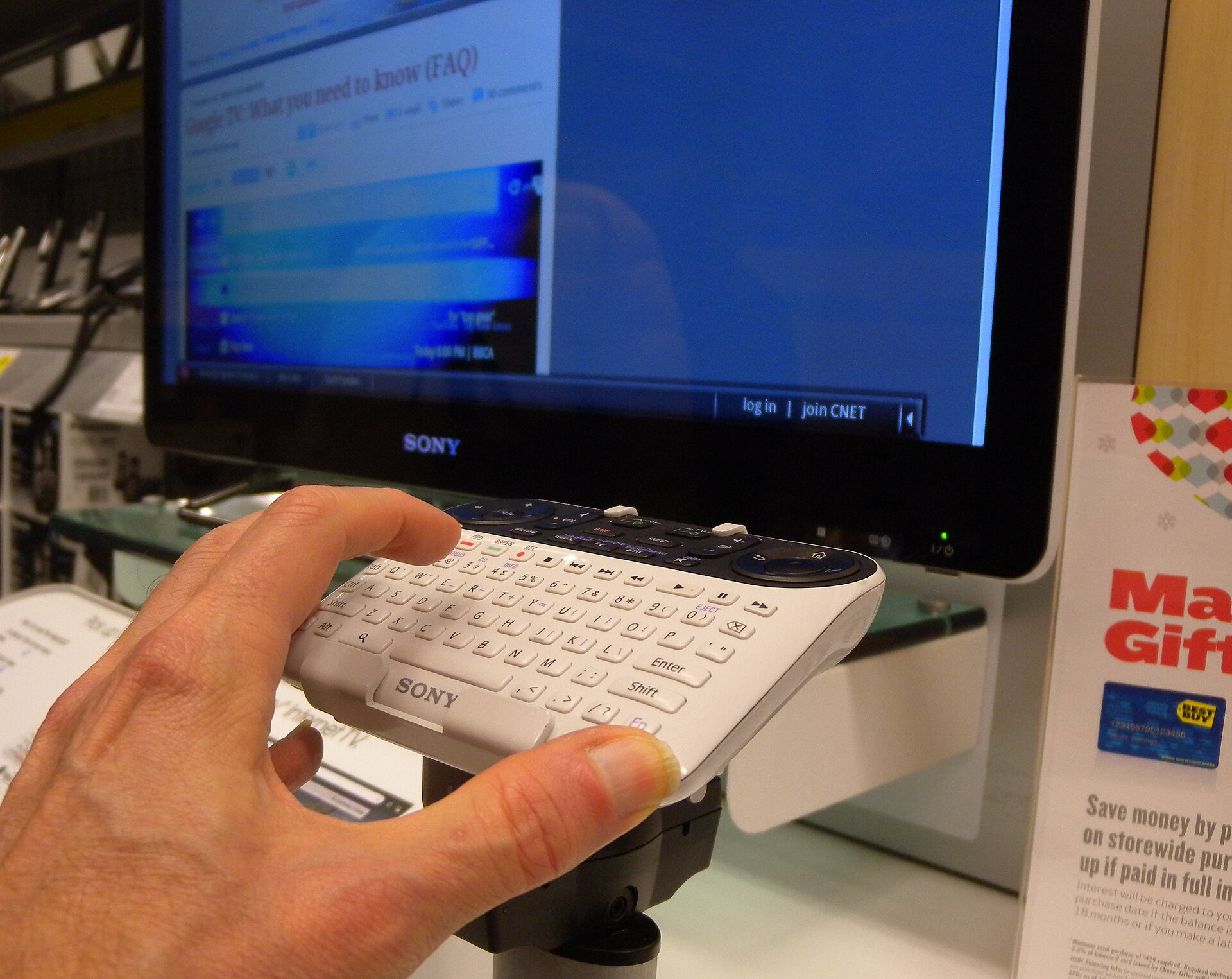
From our own living room we will be able to see our Twitter and Facebook contacts and visit our favorite websites. I don’t know how this will affect TV networks. Digital terrestrial television (TDT) reached Spain not long ago, taking us from 9 channels to more than 40; now, with Google TV, we will have access to an unlimited number of channels from around the world.
Sony has partnered with Google on this new system, so we will soon see new televisions with these features in department stores.
It’s strange that the system hasn’t stirred up any controversy yet, since advertising is about to take a new turn. Google TV arrives in the middle of the ongoing battle between Telefónica and Microsoft against Google. It will be interesting to see how it ends. One thing is clear: at this rate, even the most up-to-date among us will soon be out of date.
Featured image: Jim.henderson, CC0 1.0, via Wikimedia Commons.