

People who think money doesn’t matter are living in a mistaken parallel reality. And that’s not a monk saying it; it’s me. I don’t know to what extent money corrupts or makes you happy, but as we have said before, a lack of money can cause you a whole series of problems.
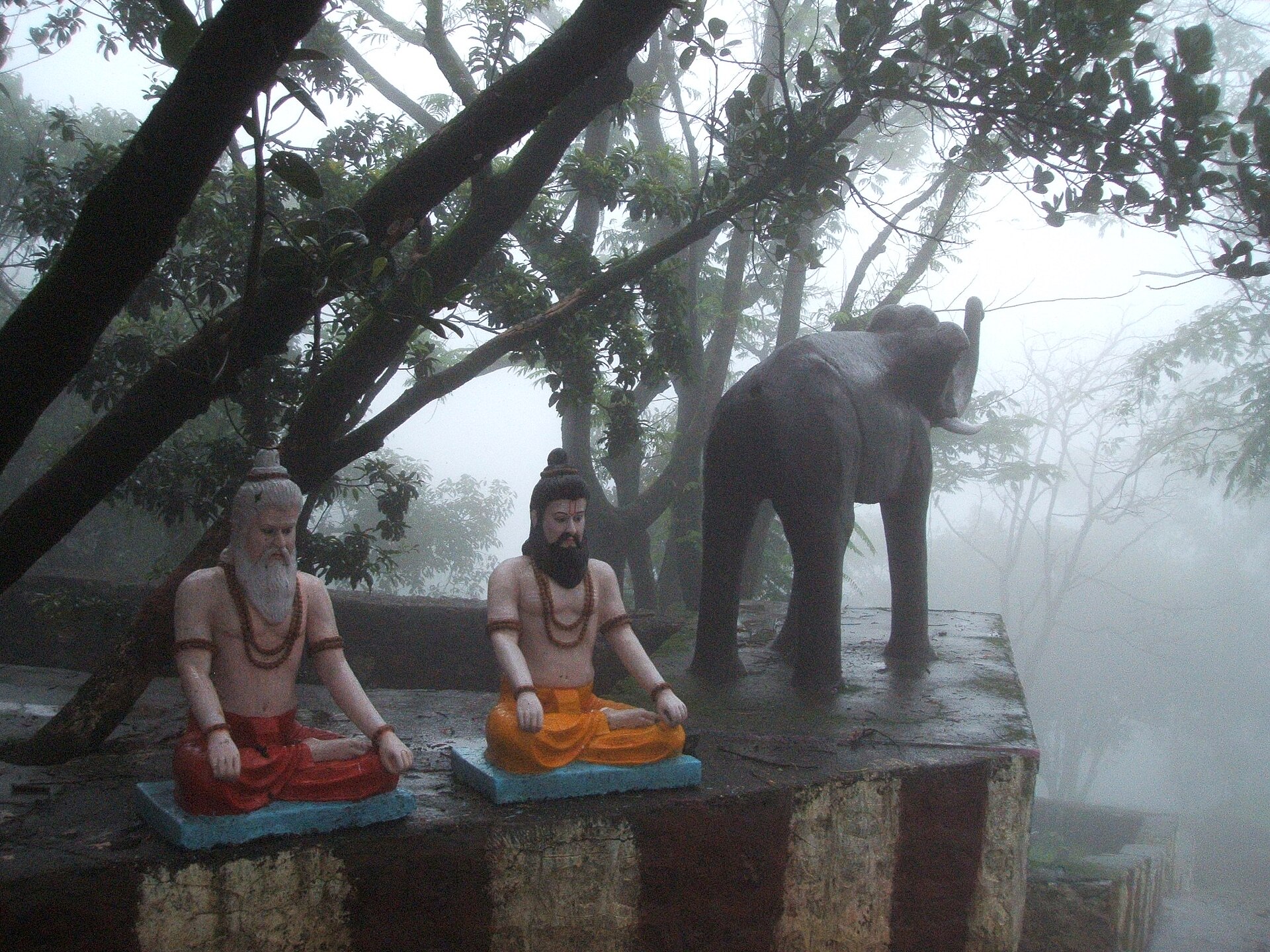
Arthur C. Brooks has written a piece for the New York Times following an interview with a Hindu monk named Gnanmunidas, who long ago renounced all his possessions. In these temples monks are forbidden to physically touch money, and they devote their lives to prayer and helping others.
But before becoming a monk, this man graduated from the University of Texas and did an MBA, until one day he travelled to India and discovered that way of life in a Hindu temple.
Brooks asked Gnanmunidas whether economic prosperity, abundance or wealth was a good thing or a bad thing. To the writer’s surprise, the monk told him that wealth was a good thing, because wealth had saved millions of people in his country from hunger.
“This is not what I expected,” Brooks told him. “You own almost nothing. I was sure you were going to tell me that money corrupts.”
Brooks says the monk laughed at his naivety and replied:
“There is nothing wrong with money, my friend. The problem in life is attachment to money. The formula for being happy in life where money is concerned is abundance without attachment.”
In Tibetan, the word for “attachment” translates as “sticky desire”, meaning a desperate clinging to something, driven by the fear of being separated from that thing or object. You can find this feeling in many dysfunctional corners of life, from jealous relationships to paranoia about reputation and professional prestige.
Outside the spiritual realm, in the world of material things, attachment gives rise to envy and greed.
The problem with money doesn’t come from the money, but from what you would be willing to do because of your obsession with it.
The monk suggests the following.
First, spend the money you have on experiences rather than material things. At the end of the day, pleasure doesn’t come from your possessions but from the pleasant feeling those possessions can give you, and it is easier to be happy by spending directly on experiences rather than on material goods.
In other words, if you think you’ll be happier spending your money on a sports car, you’ll see that as soon as you have the sports car the happiness fades, whereas the experience of a trip in good company stays in your mind for life.
Second, we should prioritise the most meaningful things in life. If money is what matters most to you, a life full of unhappiness awaits you, because not all the money in the world will make you happier if your “basic priorities” are wrong.
Abundant money is often the result of a life devoted to what we are passionate about.
The monk ends with a thought to reflect on:
“Money is a good thing, as long as you could still be happy if you had to let go of it.”
Further reading
Featured image: shankar s. from sharjah, united arab emirates, CC BY 2.0, via Wikimedia Commons.



