

How many hours does it take to get good at something, and how long does it take to become an expert? Below are some tips from people who are good at learning a skill in record time.
There’s a saying that if we don’t ask the right question, we’re unlikely to get the right answer. That’s why, when someone wonders how long it might take them to learn a new skill, or to master it completely, they should swap that question for: “How long do I want it to take me to learn this skill?”
Some people learn to speak a second language fluently in four months, while others go to language schools for eight years and never manage to master it. That probably doesn’t mean the second group is any “clumsier” than the first. They may simply be trying to learn the wrong way.
How to learn any skill in less time
First of all, there is no learning without practice, so the more hours of practice we put in, the faster we’ll learn. We need to find a way to “ritualise practice”, which is what’s known as discipline.
Tony Robbins talked about this in his book Awaken the Giant Within, where he admits that people often told him he had an innate talent for communicating with an audience. Robbins disagrees on this point. He says he became an excellent motivational speaker in a very short time because he set out to speak in public three times a day, while other speakers did so only 48 times a year.
That’s why Robbins reckoned that in two weeks he had gained a whole year’s worth of experience, and after one year of public speaking he had acquired a remarkable skill that would otherwise have taken him more than ten years.
So, based on the common message of a great many authors, the first tip for mastering a skill faster would be:
1. Pile up as many hours of practice as you can in the shortest possible time
It’s often said that achieving excellence in whatever you set out to master takes a minimum of 10,000 hours of practice, although we could cut even those 10,000 hours if we follow some other kinds of advice.
(See: A new study challenges the 10,000-hour practice theory)
Over time, skill and talent become something you either have or don’t, and those who have it will feel that it’s already part of who they are.
Every thought should lead to an action, and repeated actions end up becoming discipline; discipline is what eventually turns into a habit; and a habit is something that’s already part of us, part of what we are.
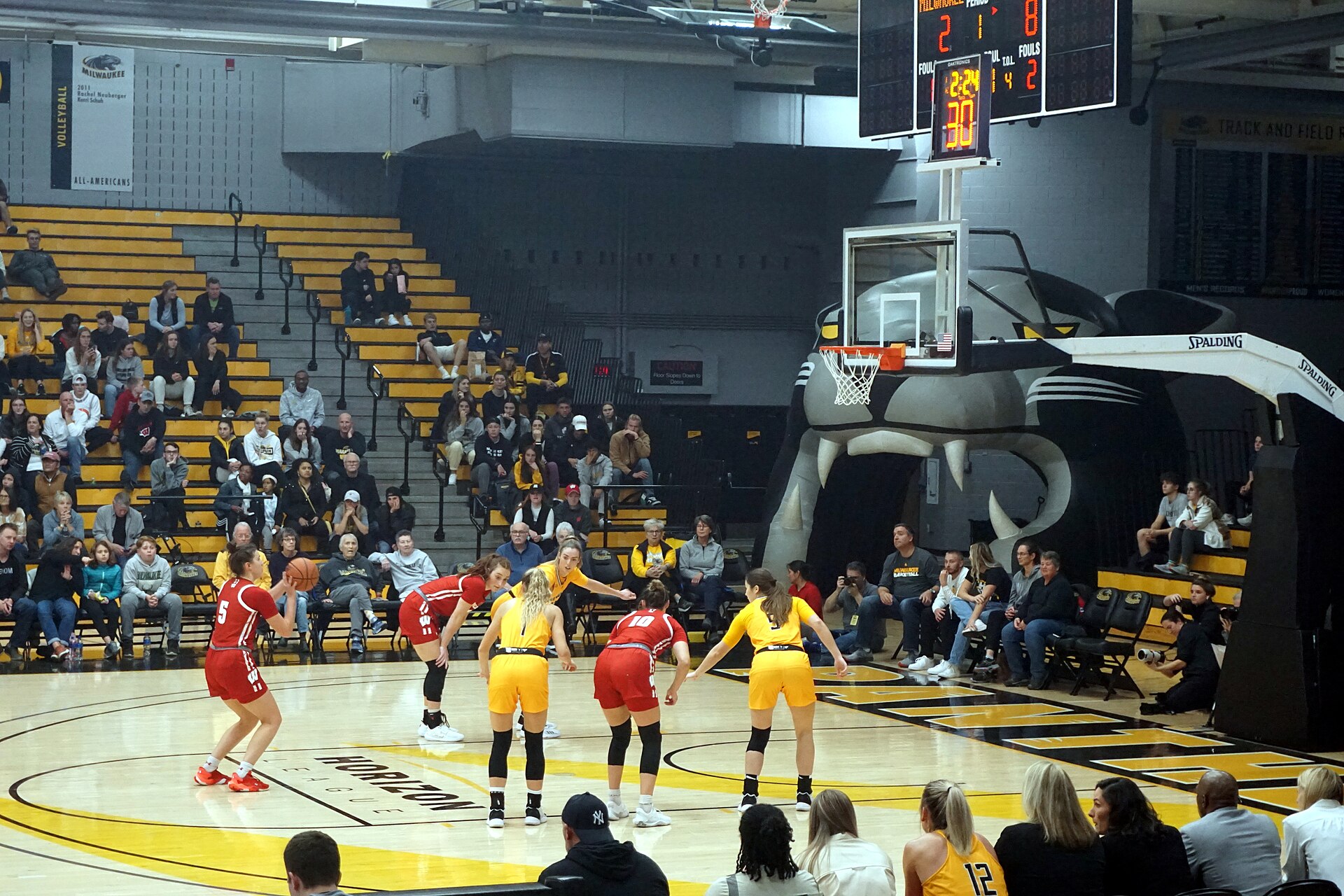
There was a basketball player who ran into a problem while shooting a commercial. The ad involved picking up the ball, shooting at the basket and narrowly missing. They had to repeat the take several times because the player couldn’t miss. His skill had become a habit that automatically made him score. How many shots must he have taken over his career to have a skill that wouldn’t let him miss even on purpose? Clearly, many years and a lot of training.
Without a doubt, the fastest learning comes from repetition. As Aristotle put it: “We are what we repeatedly do.”
2. Avoid trial and error (even though we’ve been sold on it)
I know we always preach that to learn something you have to fail, and that we learn from our mistakes. But not every mistake is necessary. We take it for granted that we’ll get things wrong many times, even once we’re excellent at the skill.
But if we learn from other people who have already done what we want to do, they’ll have plenty to tell us that can keep us from falling into the same traps they fell into. That’s why people who have a mentor usually learn much faster than the self-taught. That said, when there’s no choice but to put in hours on our own to become experts at something, we simply do it.
In other words, someone who learns by trial and error will learn from their mistakes, but they’ll lose some time and may also feel frustrated, which is what makes some people give up. If someone can help us avoid mistakes that others have already made, let’s listen carefully.
Of course, a person who has taught themselves and survived every single one of their mistakes will be better prepared to weather adversity in the future, because repeated mistakes also help you stop getting as frustrated by them.
That’s why I’ve always considered reading an accelerator of learning, especially for identifying what worked for some people and what didn’t work for others. Reading people who achieved what we want to achieve is worth years of learning and saves us a lot of time lost to certain mistakes.
3. Let go of your limitations
I know this part belongs to the kind of motivational talk you’ve heard hundreds of times, but although we’re tired of hearing it, we’re rarely tired of applying it. What leads a 90-year-old man to take up bodybuilding, while other people at 60 believe their life is about to end? What leads a 90-year-old woman to become a climber, while another woman of 70 spends every day watching TV?
We put too many limits on ourselves, and sometimes we think we won’t be good enough to excel at something, or that it’s too late to start learning a new skill. But the truth is that it’s never too late to start doing the things you don’t do because you think it’s too late (I saw that line years ago on a little Facebook graphic, and I liked it).
As we’ve said before, I’m not one to tell anyone that “you can do anything you set your mind to”, because it’s completely false. Nobody, without exception, can do everything they set out to do. But as a general rule, if something has crossed your mind (that’s already passion), you can most likely handle it. In the end, it will come down to the hours you devote to learning something and perfecting that skill. Will it take you six months or five years? It’s all up to you.
(See: What leads us to become the people we are and act the way we do)
4. Do the hardest thing
It’s possible to build any given skill or ability in the same systematic way we work our muscles. The problem is that we’re wired to be “lazy”, so if we’re given two paths, one that requires effort and one that doesn’t, we’ll rarely choose the one that requires effort.
Where’s the problem? It’s that things that require no effort are rarely useful. In fact, what sets the successful few apart is that they’re willing to do what many others aren’t willing to do (which is why those others failed).
Going back to the example of working a muscle, many people try those gadgets that supposedly give you a muscular body while you watch TV. The truth is that if you want to show off your abs, you’re going to have to sweat and sweat day after day. And if you want to lose weight in a healthy, lasting way, you’ll have to combine diet with exercise. If you lose weight without exercising, the weight loss isn’t healthy, and you’re sure to put it back on.
The same goes for every kind of learning. Signing up at a language school may be more comfortable and fun, but when we talked about how to learn a language fast, we shared the advice of someone who speaks 11 languages, whose method isn’t as much fun but at least it works. Basically, the idea was “don’t study a language”, but acquire it.
To sum up: learning a new skill takes as long as you want it to take, because it depends on how much effort you’re willing to put in.
5. Cut out distractions while you learn a skill
This step is essential, especially if you opt for an intensive learning period in which you focus solely on what you’re learning. You’d be surprised how time “stretches” when you cut out distractions.
Can you write a 314-page book of more than 80,000 words in just 22 days? You can, and I did. To this day some people still don’t believe it (even more so after seeing that it isn’t a botched job), but the way I did it, my 22 days were the equivalent of many months of work for other people who don’t follow certain guidelines. You’d be surprised how far 22 days go, and how much you can do and learn if you cut out distractions, stay off Facebook and Instagram during that time, and concentrate only on what you’re doing.
The same thing happens when you’re learning a skill or trying to become an expert at something. If you cut out distractions, you also cut your learning time by more than you can imagine right now.
See also: 16 hard things you’ll have to do to succeed
Featured image: Michael Barera, CC BY-SA 4.0, via Wikimedia Commons.



