

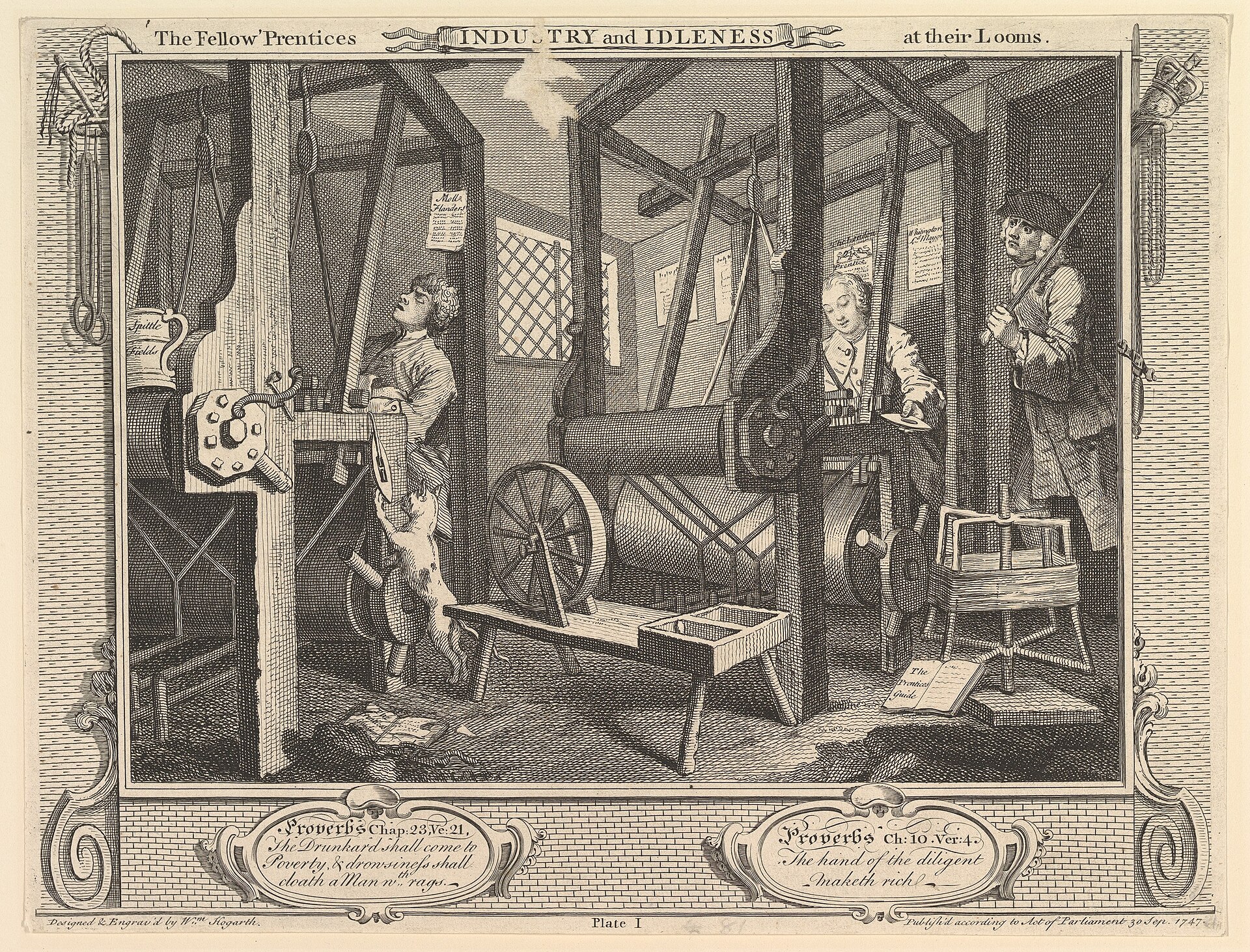
Success has a friend, and its name is discipline. Its greatest enemy, on the other hand, is called delay, or procrastination. Basically, it means putting things off with the false excuse that we don’t have time, or the false belief that we really will do them later, when as a rule, for a good procrastinator, what gets postponed ends up not getting done.
Some people think you’re born with this problem, and make no mistake, it is a serious problem, often a chronic one. However, most psychologists believe procrastinators are made, not born. In my opinion, it doesn’t matter much whether they’re born or made, because once certain habits have taken hold and stay with us for life, getting rid of them takes the same effort whether we acquired them or came with them as standard.
People who tend to put things off usually have a problem with self-control or self-regulation, which over time also makes them more prone to drinking more alcohol and to other social problems.
They also end up developing a serious concentration problem, because people who put things off for lack of time actively seek out distractions so they can avoid the tasks that matter most.
And worst of all, they not only achieve less in life, they also tend to be unhappier than everyone else, because they know they aren’t doing many of the things they should be doing to get what others get by doing what they need to do.
As we said in our article “The discipline of success“, studying or acquiring a great deal of knowledge doesn’t mean you’ll succeed in life. If knowledge were the essential requirement for success, most people would have it. Success comes when that knowledge is put into practice, that is, when it is applied through concrete action.
But how do I become a disciplined person when I’m a big procrastinator?
The simple answer to this question is, without a doubt, the obvious one. Once you know you have this problem and that you need to do something about it, it’s a matter of starting to think like a disciplined person, and doing it. Not saying you’ll do something tomorrow, but doing it today. Right now.
Make a list of the important tasks you need to do, stop screwing around and get on with them one after another, allowing no distractions.
As we often say, the best way to build habits and become disciplined when you have no discipline is to behave like a disciplined person until you become one: the famous “fake it till you make it”. Let that habit take root in who you are in the same way procrastination did.
But there are some tricks that can work
We’re not saying procrastinators have no motivation, but the truth is they don’t have the willpower to fight for their goals either. So let’s start there, with willpower.
First, given that a procrastinator’s willpower is most likely very sporadic, it would be a better idea not to go it alone. I mean telling a trusted person about your intention, someone who will hold you to it when you start to stray, because you will most likely end up straying from the path.
See also: Small things, if left uncorrected, become big things
Anchor an effort to something that motivates you
One trick that helps, drawn from neuroscience, is to anchor an effort to something that motivates us. Take the case of a young woman who wanted to lose weight and knew she would have to go running and stop eating sweets.
First of all, we can’t send her out running on her own, because she’ll do it the first day and probably a couple more. So she’ll run on a treadmill at a gym. And we’ll anchor that effort to something she loves. In her case, it was audiobooks. She loved spending hours and hours lying on the sofa listening to audiobooks.
So we set the first rule: “From now on, you only listen to audiobooks on the treadmill.” And one way to make her stick to it is to have her hand over all her audiobooks to someone who will go to the gym with her.
That way we can loosely link an effort to something pleasant (running and audiobooks). Even so, as with quitting smoking, not all the tricks in the world will save you from having to summon willpower and discipline.
In other cases we have to strike a deal with ourselves by creating other kinds of rules, such as “If I do _____, I can do _____. If I don’t do _____, I can’t do _____.”
For example: “If I finish this work, I can go to the movies tonight. If I don’t finish it, I can’t go to the movies.”
As you can see, the problem may go back to childhood, if your parents let you watch TV whether or not you finished your homework.
See also: Success starts with making your bed every morning, according to a former Navy SEAL commander
Anchor a good habit to a bad one (effort and reward)
If you like eating sweets and you’re trying to cut down, we’re going to use that so that, for a while, you don’t need to give up sweets. Let me explain.
Imagine you have a job where every day you need to write reports or other texts, and getting down to it is a real struggle.
Create the rule “I can only eat sweets while I’m writing or doing reports.” Once this system has worked to stop you putting off your work, use it to give up sweets.
But a procrastinator shouldn’t trust himself
If you’re a procrastinator, the person you can trust least is yourself. Your promises are worthless, so these “tricks” would be useless for someone who isn’t disciplined and lacks willpower.
That’s why, for them to work, you usually need a trusted person to make sure you stick to these self-imposed bargains and rewards.
Start with small changes, becoming more disciplined in small tasks, because procrastination is a habit (a bad habit), and like any habit, it’s more useful to replace it with another than to eliminate it.
In other words, don’t focus on avoiding procrastination. Focus on being more disciplined. It sounds like the same thing, but it isn’t. The two habits can’t live side by side, because they are complete opposites.
Still, as I said at the beginning, the most effective way to avoid procrastination is to admit we have a problem, start making lists of what matters, set ourselves distraction-free schedules and begin to build discipline into our lives, along the lines of “things aren’t said, they’re done, and once they’re done, they speak for themselves”.
See also: 25 habits of successful people
Featured image: William Hogarth, CC0 1.0, via Wikimedia Commons.



