Editor’s note: This article was first published in August 2011, about that summer’s news in Spain: Guardia Civil investigations into wildfires allegedly set by laid-off forest firefighters and into vandalised windshields near repair shops. The outcome of those investigations is not reported, and “this summer” means 2011.
What do you do if you run a windshield repair shop and haven’t had a customer in months? What if you’re a locksmith and the phone hasn’t rung in weeks? And best of all, what do you do if you’ve been laid off from a forest firefighting crew?
This summer, suspicion has grown around these three trades over alleged illegal practices aimed at boosting sales. Perhaps we’ve all heard rumours of car repair shops that pay people to go out at night slashing tyres, smashing windshields and so on. As a rule, private vehicles carry insurance that covers the repair and replacement of broken glass.
Have you ever come home to find your lock “jammed”? Was it full of silicone so you couldn’t get the key in? And did you happen to find a sticker next to the door with the number of a 24-hour locksmith? At that moment you probably put it down to vandalism, or maybe it crossed your mind that it was the same person who stuck up the number to call in case of…
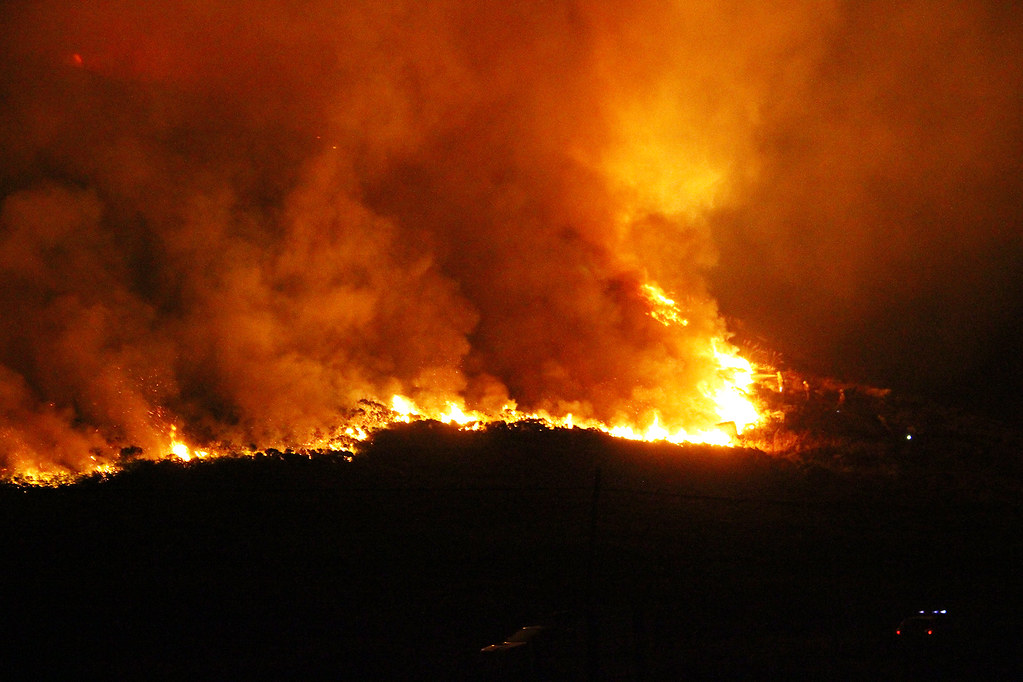
The Guardia Civil (Spain’s national police force for rural areas) is investigating who may be behind several fires in Spain, and so far everything suggests they may have been started by former members of firefighting crews, people left without work after being laid off some time ago.
The logic is simple: no fires, no work. So you start the fires, and with any luck they’ll call on your services because of the “extra workload”. Other former crew members simply do it out of revenge. Suspicions aside, in many other cases in different regions, investigations have identified members of these crews as the culprits, and they admitted they did it to get their jobs back.
In this case, the suspicions arise because the number of firefighters has been cut during the crisis. Other signs that make the suspicion well founded include the “perfection” of the fires: according to the Guardia Civil, they must have been set by people who knew exactly where to start them so they would spread away from towns, even while burning hundreds of hectares. There is also the suspicious pattern of four days with no fires followed by five or even six fires in a single day.
As for repair shops, investigators are looking at garages near the areas hit by vandalism. In more than 90% of the cases they found cars with broken windshields where no one had even tried to get inside, so theft has been ruled out completely as a motive.
With locksmiths, this “dirty” practice has been known for years. It usually happens after 9 p.m., when a family can’t call a locksmith during regular hours and has to pay for an expensive 24-hour emergency service.
All’s fair in love and war… and, it seems, in work too, even if the game isn’t clean.
Obviously, and let me be clear about this, not every owner of this kind of business uses these methods to make their business more profitable.
Further reading (with legal techniques)
- How to increase sales in a struggling business
- 5 ways to grow your business
- Business ideas to start this year
- Improve your business’s sales in three simple steps
Featured image: Contando Estrelas, CC BY-SA 2.0, via Flickr.