

Editor’s note: This article was first published in August 2012, and its remark that credit was still circulating, though not for home purchases or personal loans, describes Spain’s credit squeeze at that time.
The question of how to invest without money comes up more and more often among readers. The truth is that it is possible to invest without money, as we explained when we talked about intraday margin trading.
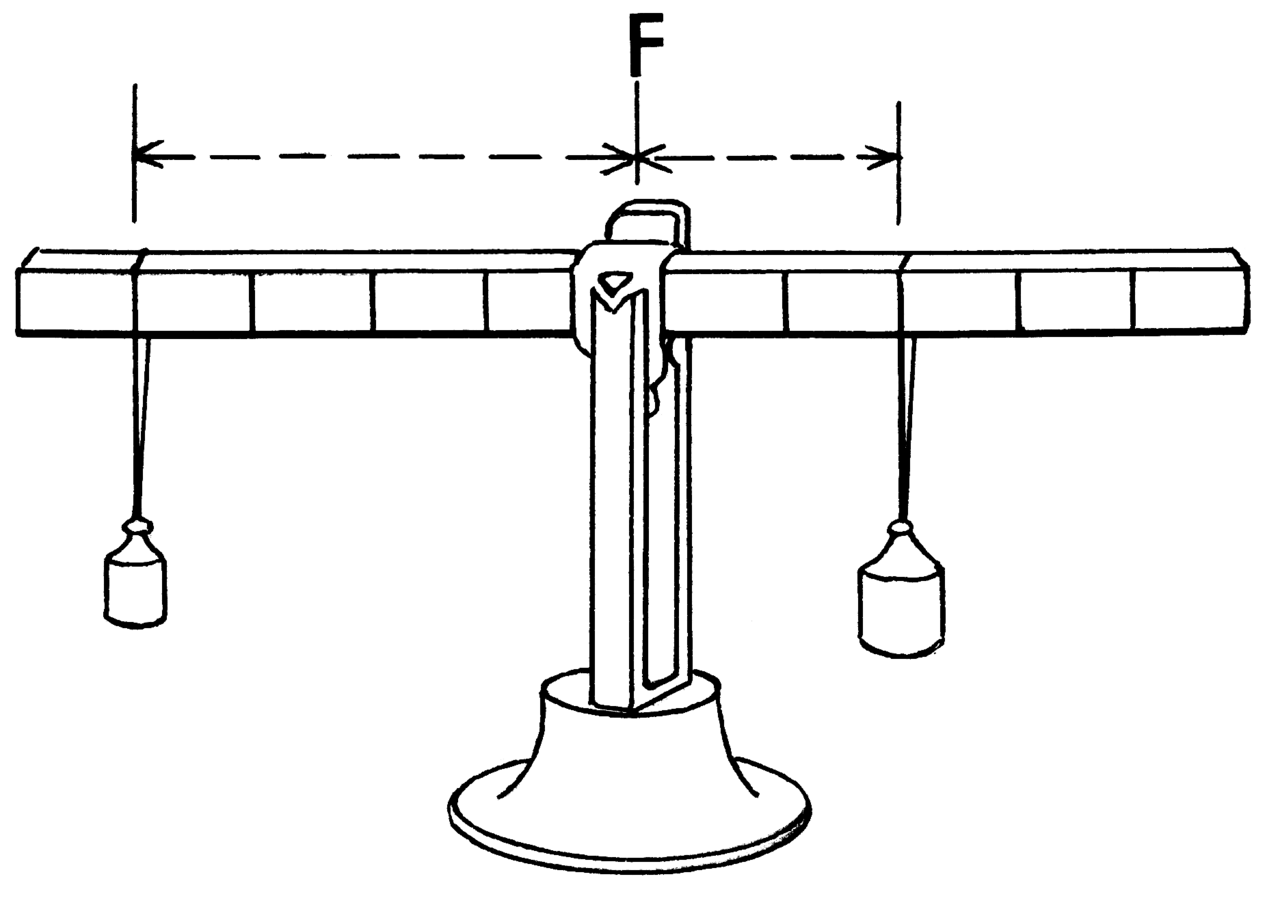
Leverage is not exactly investing without money; rather, it means being able to invest an amount 10 or 100 times larger than the capital we have at that moment. Leverage has clear advantages and, of course, clear risks. If I had to define what leverage is, I would say it is a gain accelerator, but also a loss accelerator if the person doesn’t have a minimum of investment knowledge, a concrete method and/or a specific system.
Whatever people may think, credit is still circulating in our country. Not for buying homes or as personal loans, but it is for trading shares, currencies and all kinds of financial products.
Suppose we have only €2,000 in our account and want to make a diversified investment in two stocks. We would have to invest €1,000 in each. Now suppose we get a 2% return on both. 2% of €1,000 would be €20, so even though the return is good, if we decide to sell the shares, the profits will be eaten up by commissions.
Investing with amounts like these would force us to look for returns of around 5% for the investment to pay off, and that doesn’t always happen in the short term.
However, if we use leverage, with that €1,000 we could invest €10,000 or €20,000, so if we managed to earn 2%, the profit would be €200 and €400 respectively. In this case, we would be speeding up the growth of our capital.
Of course, if instead of earning 2%, we have the bad luck that day of losing 3% of €20,000, the loss would be €600, so the capital we had invested in that stock (€1,000) would shrink to just €400. At that point, you could say we have practically wiped out our capital.
That is why, when we use leverage, we must be willing and able to cut a loss. If the stock doesn’t behave the way you originally expected, get rid of it as soon as possible or place a stop-loss order.
Another issue with leverage is the danger of getting into debt. We will pause on this point because, while as a general rule a bank (which is the one lending you the money to leverage yourself) won’t let you lose more than the money it has set aside for that “credit for investing”, there are other kinds of brokers that might not cut the loss, leaving you in debt to them.
In fact, it could even happen with the bank itself if a stock fell abnormally sharply and the loss amounted to more than the money it was holding.
At some point you will have seen ads that say: “Invest up to €40,000 with just €100.” Eye-catching, isn’t it? With just €100, a good trade could earn you €2,000 or more, but… what if you lose those €2,000? You would be in debt in a matter of minutes.
In short: use leverage only when you feel ready, when you are clear about what you are doing and when you are able to accept that you could lose all your capital, although it is also true that you can multiply it.
See also: Investing mistakes and tips from market professionals
Featured image: Pearson Scott Foresman, Public domain, via Wikimedia Commons.



