

It’s true that there is no such thing as luck. Whether we are talking about stock market investing or any other part of life… but bad luck does show up now and then, and there is very little you can do when it arrives except admit the “mistake” and start again. Here are a few situations that, if you haven’t lived through them yet as a stock market investor, you are certain to sooner or later.
We have called them “investor mistakes”, although at the time they can’t really be considered the investor’s fault so much as a consequence of market movements, when it feels as if the market is out to get you. Can these situations be avoided? That’s a hard one to answer.
Bad luck no. 1: buying at the top and selling at the bottom
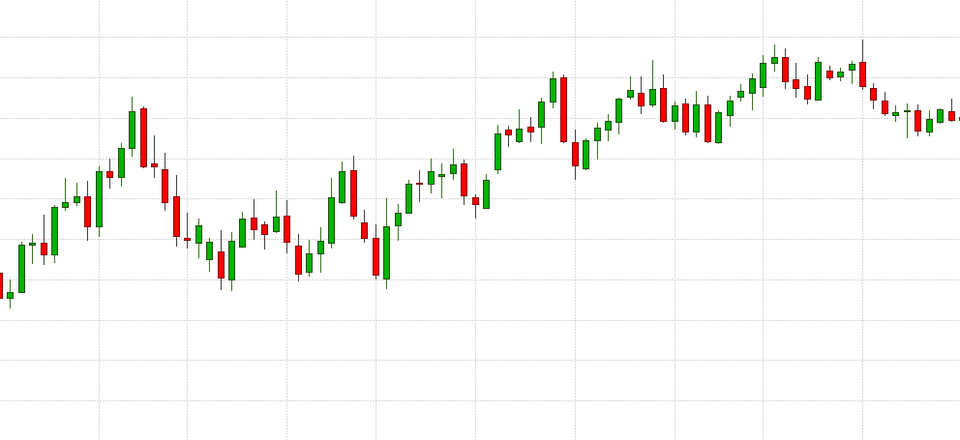
Picture a stock that starts climbing steadily. Analysts recommend it, the news is good, and so on. Everything suggests the share price will keep trending up. We decide to buy at the price we’ll call point 1, and right after we buy, a sharp fall begins.
We hold on without selling, because we know volatility is normal. But the stock keeps falling and seems to find no support at all. We watch it for a while and it just keeps dropping. We don’t want to take any more losses, so we sell at point 2, and, as luck would have it, the shares start rising again the moment we sell.
At that point the investor has two options: burst into tears, or take it with a sense of humour and learn the lesson, always remembering that the market has nothing personal against you and hasn’t set out to screw you over on purpose, even if it can feel that way.
See also: How rich you would be if you had invested €1,000 with Warren Buffett for the long term
Bad luck no. 2: slow, gentle rises and fast, heavy falls
It tends to happen, and we’ll file it under bad luck too, that when a stock goes up we usually have little money in it. Rises in the stock market are usually slow and gradual. In fact, a stock shows a strong uptrend after days and weeks of small gains. A stock that rises 40% today is not much use if the market then corrects it by 41% over the next 7 days.
As the saying goes, prices take the stairs up and the elevator down. Something that happens more often than you’d think: we buy into a stock with (just as an example) €1,000. It rises 0.60%, and the next day another 0.55%. We put in another €1,000. It keeps rising, another 1.25%, so now we put in €5,000, and the stock drops 5% in one go. I’m sure many of you will recognise yourselves in this.
Bad luck no. 3: the worst luck of all
This one happens when an investor already has some experience, and so knows that patience is one of the greatest virtues in the stock market.
It is the continuation of bad luck no. 1, except that now Murphy’s law comes into play: “Anything that can go wrong will go wrong.” We buy at the top (point 1), but once the price reaches point 2 we don’t want to repeat our earlier mistake, so this time we won’t sell; we’ll wait for the next rise. What’s more, we take the chance to average down by buying more shares, so the rebound will be all the juicier.
See also: The 10 favourite stocks of the big investors for 2012–2013
And what does the stock do once we’ve made that decision? The logical thing: go into free fall. When this happens, we insist, it’s nothing personal. Nobody has put the evil eye on you, either. These things simply happen in investing, and they can happen in both short- and long-term investing, to beginners and professionals alike.
There’s little you can do except fall back on a piece of advice from trading experts: don’t be afraid to take a loss, because refusing to take a small loss can end up turning it into a big one.
Further reading
Featured image: Albert Callisto, CC BY-SA 4.0, via Wikimedia Commons.



