Editor’s note: This article was first published in April 2015. The situation described, including the app dying, Leo doing occasional welding work and the one-year deadline to collect the money, is as of April 2015.
In September 2013 I was moved by the story of Patrick McConlogue, a young programmer who one day decided to give a homeless man the chance to get off the street. He approached Leo, a homeless man he often saw on his way to work, and gave him two options to choose from: he could take $100, or McConlogue could teach him to write code to build apps, in which case the two of them would work together.
Leo chose the second option, and the media were all over it. In fact, the publicity alone was already making the app a success. So the story had all the ingredients for a before-and-after tale of a homeless man turned entrepreneur, and probably millionaire.
And sure enough, the app was a success and brought in money, but Leo was still sleeping on the park bench where McConlogue had found him. Leo had access to the money, but he never touched it.
In May 2014 McConlogue told Business Insider in an interview that Leo needed to find a way to open a bank account or something similar so that he could be given the money he was owed, but that if he hadn’t done so within a year, McConlogue would have to donate that money, which was not his.
The deadline is approaching, and Mashable got in touch with both entrepreneurs to see how they were getting on.
McConlogue is still a successful executive and entrepreneur, while Leo is still homeless. The app they created is already dying, and Leo no longer wants to keep making apps. Every now and then he takes on an odd job as a welder.
See also: 5 lessons for success in your career and business that you should start following now
When Leo was asked why he hadn’t carried on, or why he didn’t want to carry on, he replied:
“Life. Because, you know, life. The things you have to do. You have to do this, you have to do that.”
And the truth is that Leo doesn’t have much to do apart from begging in a park.
Is it fear of opportunity, of success?
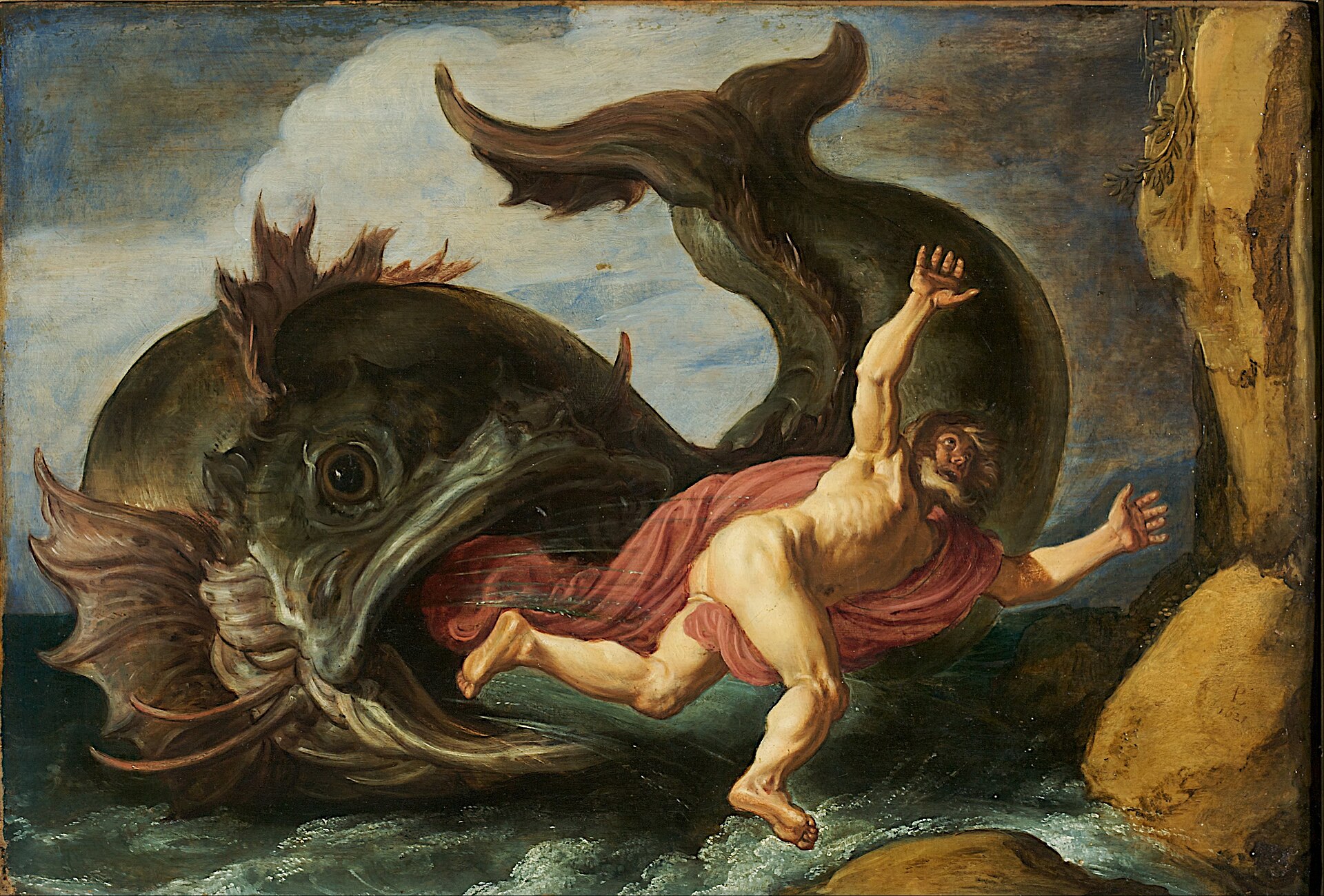
Many psychologists have talked about this kind of problem, which seems more common than we think. It was Abraham Maslow who called it “the Jonah complex”, referring to the fear of our own greatness: the fear of making changes in our lives, even when those changes are for the better.
Put in more down-to-earth terms, we could say that people are capable of “eating crap until we like it rather than swapping it for caviar”, or of “living in crap until it becomes our comfort zone”.
This isn’t the first case of someone trying to lift a person out of extreme poverty and help them, only to find that the person doesn’t really want to get out of it.
That’s why I draw a distinction between a vagrant and a homeless person, even though these words may sound harsh…
As a rule, a vagrant is someone living a life they brought on themselves, and a large majority of them would no longer want to leave it. A homeless person, on the other hand, is someone who has ended up in that situation because of one of life’s setbacks, and is longing to get back to their former life, or for someone to help them improve it. Let’s say that this second case (the homeless person) is a temporary vagrant.
I think there is a moral we can draw from this story. If fear of success, the fear of our own greatness, is a reality that exists at least at the very bottom of society, are we sure we aren’t victims of this complex ourselves when we have a project in mind and don’t carry it out?
What if it isn’t really the fear of failure that stops us from taking action, but precisely the opposite: the fear of success, or the fear of leaving our comfort zone, that patch of crap we’ve grown used to? Something to think about.
In this case, Leo had the chance to get out of a life he ought to hate, but he chose not to take an opportunity that many people are probably longing to be given. By the same token, it shows that any person, on waking up one morning, whatever their situation, can decide that day to become a completely different person, learn new things, aim for something more… But to do that, you have to leave behind the actions and thoughts that put you in the place you want to get out of.
Further reading
Featured image: Pieter Lastman, Public domain, via Wikimedia Commons.