Editor’s note: This article was first published in March 2011, on 18 March, a week after the Tohoku earthquake and tsunami and during the Fukushima Daiichi nuclear crisis. Its references to “a few days ago” and its present tense refer to that week.
A country is made by its people, and it is in tragedies that their “sourest” side comes out, because that is when people tend to show their weakest and least controlled side. Japanese culture can teach the rest of the world a lesson in many respects.
A few days ago an article was published under the title Why don’t the Japanese cry? (in Spanish). Its author had to rewrite it and offer some explanations, because it was misinterpreted and drew complaints on social networks.
The Japanese do cry, but not in public, because they try not to pass their mood on to the people around them. Someone who has lost a loved one in this tragedy will try to stay calm while with family, then choose a solitary place to “let out” their tears like any human being overcome by the sadness and anger of losing someone.
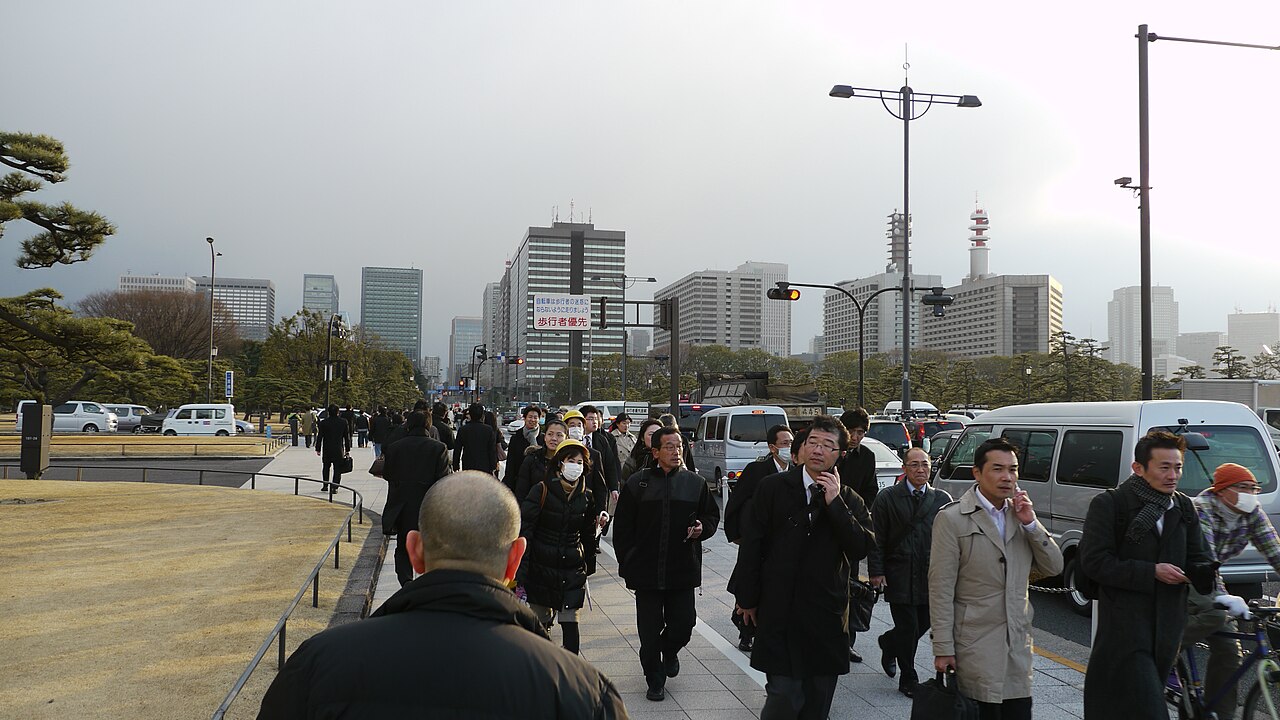
We have seen how, in the middle of the panic, thousands of people walked in single file following the instructions of the evacuation plan, keeping order at all times.
Supermarkets and shops selling essentials opened their doors to offer food to all those people who will probably be unable to pay or return the favor, because they have lost everything. Some shops have stayed open without seeking any profit, even while exposed to the risk of aftershocks. They did not abandon their posts.
They have given us a lesson in unity and solidarity in extreme moments, opening the doors of their own homes to take in anyone who had nowhere to spend the night. That’s what the Japanese are like.
And let’s not forget that the spirit of the samurai is still alive: more than 50 people are working at the nuclear reactors to try to stop the radioactive leak. They are exposed to radiation and all of them know they are going to die. Some will die quickly; others will suffer a slow and painful death from the effects of radiation. They know it, and even so they are willing to sacrifice their lives for their fellow countrymen.
Don’t you feel a healthy envy of this culture?
See also: A lesson we can learn from the Japan earthquake
Featured image: Hikosaemon, CC BY 2.0, via Wikimedia Commons.