

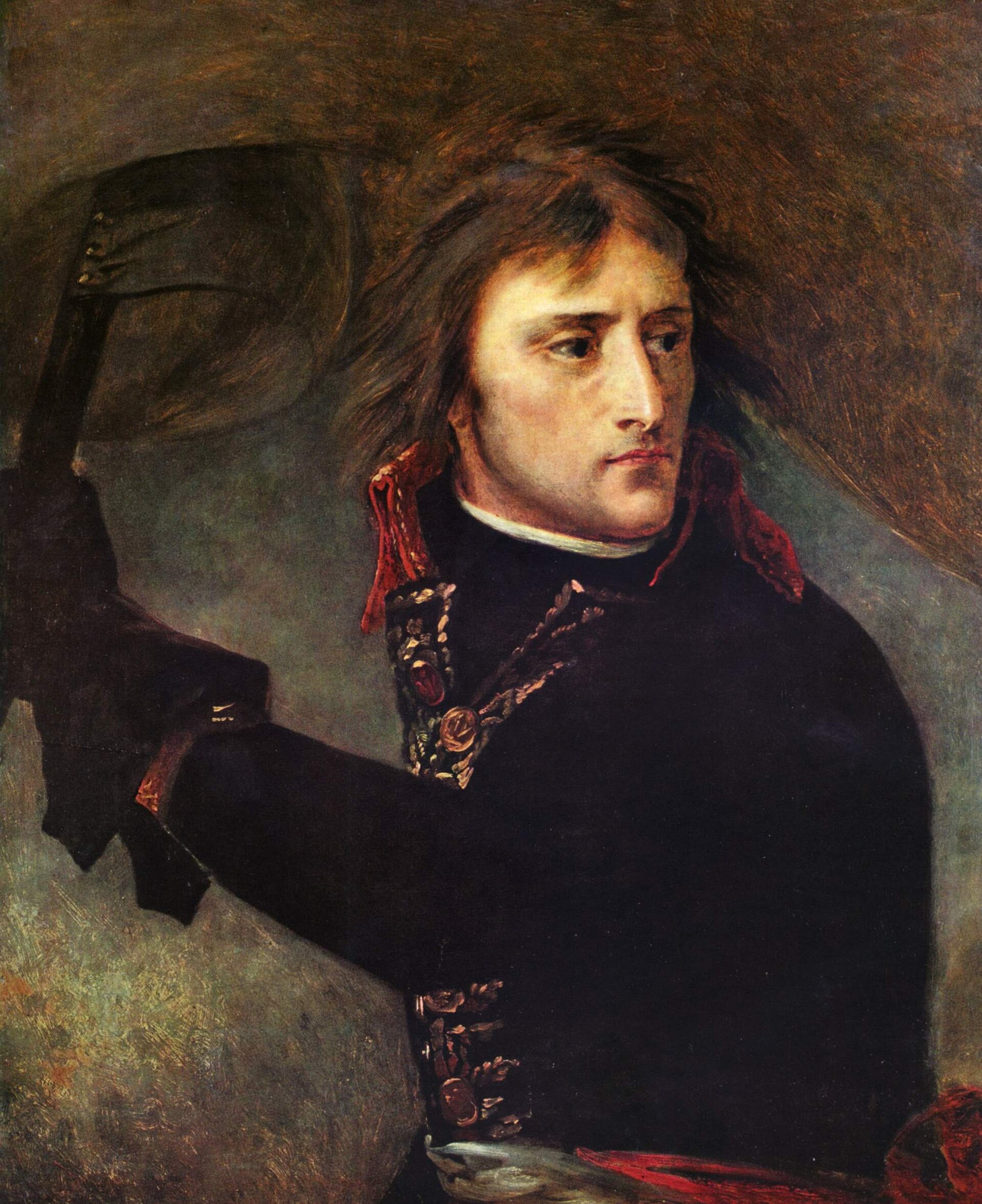
Napoleon Bonaparte built an empire that stretched across Europe from 1804 to 1814. Before his exile, his return and his final defeat in 1815, Napoleon was a brilliant general who understood the dynamics of leading a large group to victory.
Napoleon said that the fighting spirit of his troops was crucial to the outcome of a battle. With motivated soldiers, he could beat an army three times the size of his own.
In his book The 33 Strategies of War, Robert Greene highlights specific ways in which some of the world’s greatest generals, from Napoleon to Alexander the Great, led their troops to victory.
You can use these same tactics to lift your employees’ morale, maximise your company’s productivity and succeed in business against fierce competition.
See also: 29 war strategies for winning in business
1. Unite people around a cause
Give your team something to fight for. Remember that your employees are part of a company that competes with others in the market, so inspire them to beat those competitors.
When Oliver Cromwell became a colonel on the Parliamentary side in the English Civil War in 1643, he began recruiting soldiers who were inexperienced but shared his fervour for the Puritan faith.
United around a holy cause, singing psalms as they went into battle, Cromwell’s army of commoners outperformed the trained cavalry that had come before them by a wide margin. In 1645 these soldiers won the battle that brought the first phase of the war to an end.
2. Keep them busy
When soldiers are on the defensive, waiting to react to the next battle, their morale drops and they become anxious. Something similar happens to a company that isn’t pushing forward with some initiative.
Napoleon was appointed commander of the French forces in April 1796, and his troops did not welcome him. They found him too short, too young and too inexperienced to be a leader, and they were already losing hope in the fight for the ideals of the French Revolution.
After a few weeks of failing to motivate them, Napoleon decided to act. He led them into a battle he knew he could win easily and placed himself at the front of his men. He gave them a stirring speech and then drove them forward to a relatively easy victory. From that day on, Napoleon had his men’s full attention.
3. Keep them satisfied
You don’t need to pamper your workers, but their basic needs do have to be met. Otherwise they will feel exploited for selfish ends. Your best employees may leave for the competition if you focus only on the company’s goals and not on their happiness.
Napoleon knew that many of his troops were tired. That’s why he made a habit of getting to know soldiers individually and sharing personal stories with them. He often rescued his soldiers at moments of low morale, because he showed them that he cared about them and paid them attention by making personal sacrifices.
4. Lead from the front
Even the most motivated workers’ enthusiasm will fade, so they need to know that you are right there beside them.
Erwin Rommel, whose tactics earned him the respect of his enemies, the American general George S. Patton and the British prime minister Winston Churchill, wrote that in moments of panic, fatigue or disorganisation, or when something out of the ordinary has to be asked of the soldiers, the commander’s example works wonders.
5. Appeal to their emotions
The best generals have a sense of drama. Lower your employees’ defences with a story or a joke, and then approach them more directly about the task they have to carry out.
The great Carthaginian general Hannibal knew how to give a passionate speech that fired up his men before a battle. But he also knew that those speeches would have a much harder time motivating his men if they had been through long periods of inactivity.
Hannibal entertained his men with gladiator fights and jokes, until all his soldiers ended up laughing.
6. Balance punishment and reward
Push your employees with less harshness and more kindness. That doesn’t mean you shouldn’t reprimand them when they do something wrong, but too much kindness can stop them taking you seriously.
During China’s ancient Spring and Autumn period, Sima Rangju, whom the ruler of Qi had promoted to general, defended the region against the armies of Jin and Yan. When two of Rangju’s men showed disrespect in the field, Rangju executed one and killed the other’s attendants.
His men were terrified. The general, however, also showed a compassionate side, sharing food and supplies equally with his troops and caring for the wounded.
His men saw that he would reward those who followed him and punish those who didn’t. United, they defeated the armies of Jin and Yan.
7. Build a mythical group
Success helps bind a group together. Soldiers who have fought side by side forge a kind of myth out of their past victories. Soldiers want to belong to a winning group.
When General George Washington was looking for a place to quarter his troops during the harsh winter of 1777–1778, he settled at Valley Forge, Pennsylvania. Washington and his men endured months of extreme cold, ate very little and suffered from spreading disease.
By the end of February 1778, 2,500 of his soldiers had died. Those who survived, however, felt they had proved to themselves that nothing could stop them winning the war against the British.
In May, the troops celebrated the announcement of the crucial alliance with France and pushed forward more determined than ever.
Further reading
- 7 truths about leadership that will make you a better professional
- 7 classic books everyone should read
Featured image: Antoine-Jean Gros, Public domain, via Wikimedia Commons.



