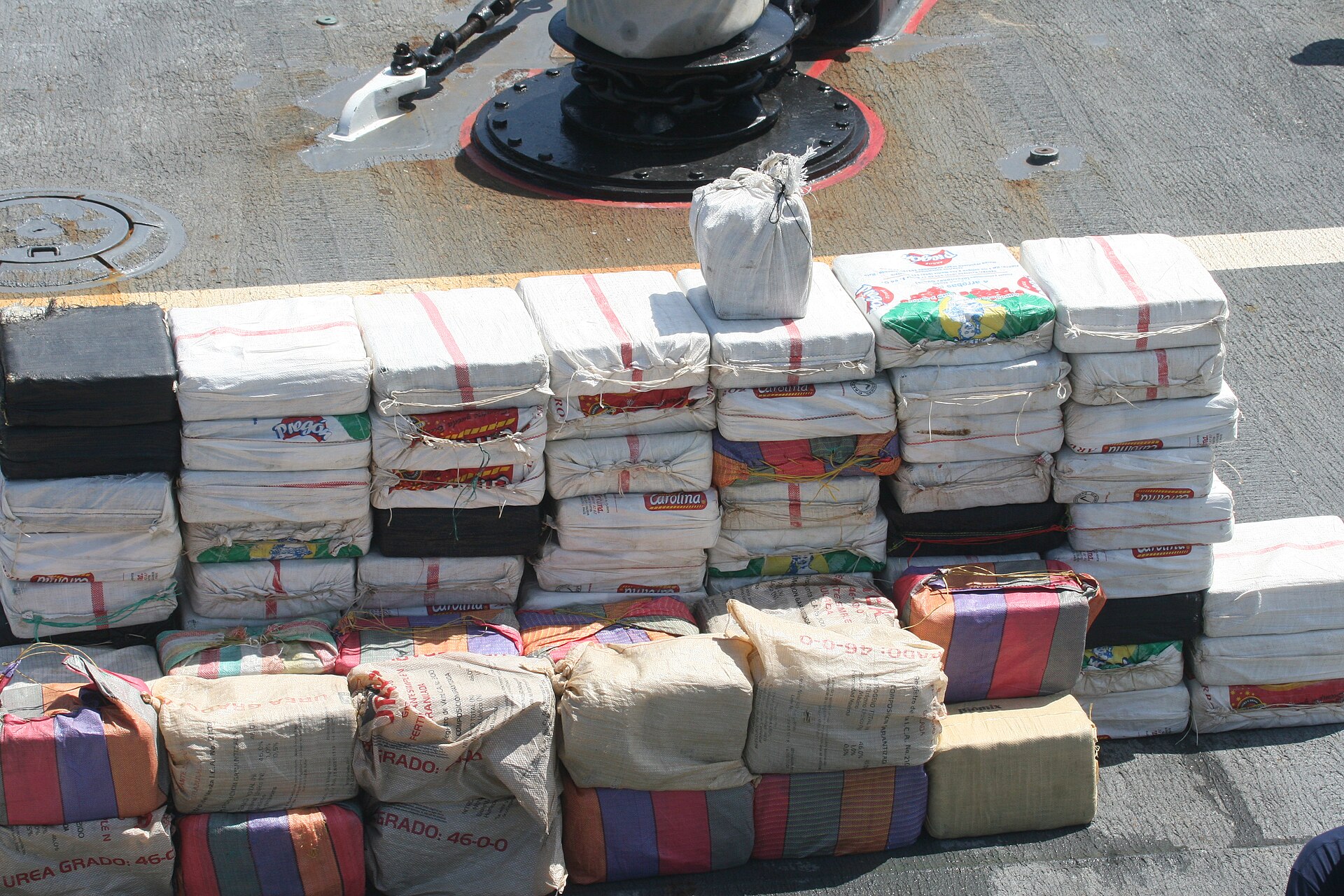
Editor’s note: This article was first published in August 2013. All figures are 2013-era estimates, some older, such as drug trafficking in 2009, including more than 2 trillion dollars a year for organized crime, 320 billion for drugs and 100 billion for cybercrime.
According to the United Nations, organized crime is one of the most profitable industries in the world, worth more than 2 trillion dollars a year. As you’d expect, drug trafficking and human trafficking are on the list, but criminal organizations have also reinvented themselves like any good company, moving into technology and the trafficking of natural resources.
The cost of these criminal activities to governments around the world is greater than the revenue of the whole industry, not to mention the thousands of cases and personal tragedies behind governments’ passivity. In reality, the fight against these fraudulent industries doesn’t receive even 3% of the resources and attention it could.
The most profitable criminal activities
1. Drug trafficking
Drug trafficking is by far the most profitable criminal activity. In 2009 this business was estimated to move more than 320 billion a year, a figure that, despite governments’ “supposed” efforts to put an end to it, has probably grown considerably.
Albanian, Pakistani and Turkish gangs are flooding Europe with heroin, while the collapse of the Colombian cartels has allowed Mexico and Nigeria to emerge as the main traffickers of cocaine into Europe.
2. Human trafficking
At this point in history, the very existence of this kind of crime is utterly shameful for the civilized world, especially considering that, according to the UN report, human trafficking may be present in more than 137 countries, where the victims live under constant threat.
Even more shameful is knowing that one fifth of the victims are children. Sadly, human trafficking isn’t a priority in governments’ fight against crime, even though victims of these criminals are probably living 500 meters away from us.
3. Fake medicines
This activity may have moved more than 2 billion dollars, thanks to how easy it is to set up a shop window on the internet. Fake medicines sold online pose a potentially deadly threat to consumers.
Sometimes they are medicines with no active ingredient at all; at other times, the ingredients and/or their combination are simply wrong and can cause serious, irreversible harm to consumers. The most lucrative and dangerous medicine has been “fake Viagra”.
4. Migrant smuggling
Behind migrant smuggling there are often even business owners with legitimate companies. Many of these immigrants are offered the service of entering another country, sometimes even with an employment contract, but they have to pay a large sum of money. As a rule, they pay a monthly fee for years (a high one) and are forced to work for food and lodging for the business owner who was “in cahoots” with the smuggling. In effect, the business owner gets free labor, which for him makes it a profitable business.
In the case of some women, they are deceived and fall into the hands of sex trafficking rings. No one knows how much money this market moves, but it is estimated at more than 1 billion a year, and it occurs most often in Latin America and Africa.
5. Organ trafficking
Officially, this market doesn’t exist, and proving its existence would be very difficult, above all because of the kind of clients who demand the organs, who are willing to pay exorbitant sums for a kidney or a liver.
Some time ago we wrote about Scott Carney’s journalistic work on the red market, which showed us a world that really exists, though perhaps not in the way we imagine, since it is more like a world of monsters and vampires.
6. Arms trafficking
This market, widespread in the United States, is starting to emerge in Europe. The problem with this illegal industry is that petty criminals and gangs can get hold of an assault rifle for relatively very little money.
7. Trafficking in natural resources
Timber, oil, metals and precious plants generate around 7 billion a year. The problem with this industry is deforestation, the loss of species and habitats, and its possible consequences for climate change.
Then there is the trafficking of diamonds and precious stones, which in many countries depends on the trafficking of men, women and children who are exploited in the search for these stones until they are utterly exhausted.
8. Cybercrime
Cybercrime is becoming one of governments’ biggest concerns, since it costs around 100 billion a year, according to a study published by the Center for Strategic and International Studies.
It is estimated that at least 1.5 million internet users fall victim every year to identity theft, credit card fraud or having their bank accounts emptied. In some cases this is discovered too late, and in others it is the insurance companies that have to bear the cost of these crimes.
Further reading
- Innovative and profitable businesses around the world: 5 ideas
- 40 of the best business ideas of recent years
Featured image: Official Navy Page from United States of America U.S. Navy photo/U.S. Navy, Public domain, via Wikimedia Commons.