Editor’s note: This article was first published in April 2015 and is based on the 2015 Social Progress Index; the rankings, category positions and year-on-year comparisons refer to the 2015 and 2014 editions. Later editions rank countries differently and use a changed methodology.
The Social Progress Index (SPI) measures progress by how well basic human needs are met, rather than by the traditional indicators of economic growth.
The Social Progress Index, which covers about 99% of the world’s population, was designed by a team led by Michael Green, a professor at Harvard Business School, and measures a full range of components of social and environmental performance. The index ranks these social and environmental measures, which highlight wellbeing and opportunity.
The Social Progress Index shows that countries with similar levels of GDP can have different levels of social progress. One example is Costa Rica and Thailand, ranked 59th and 58th in the world for GDP respectively. However, Thailand ranks 57th in the world on the SPI, while Costa Rica ranks 29th, largely thanks to significantly higher scores for personal safety, personal rights, and tolerance and inclusion.
The ranking is as follows:
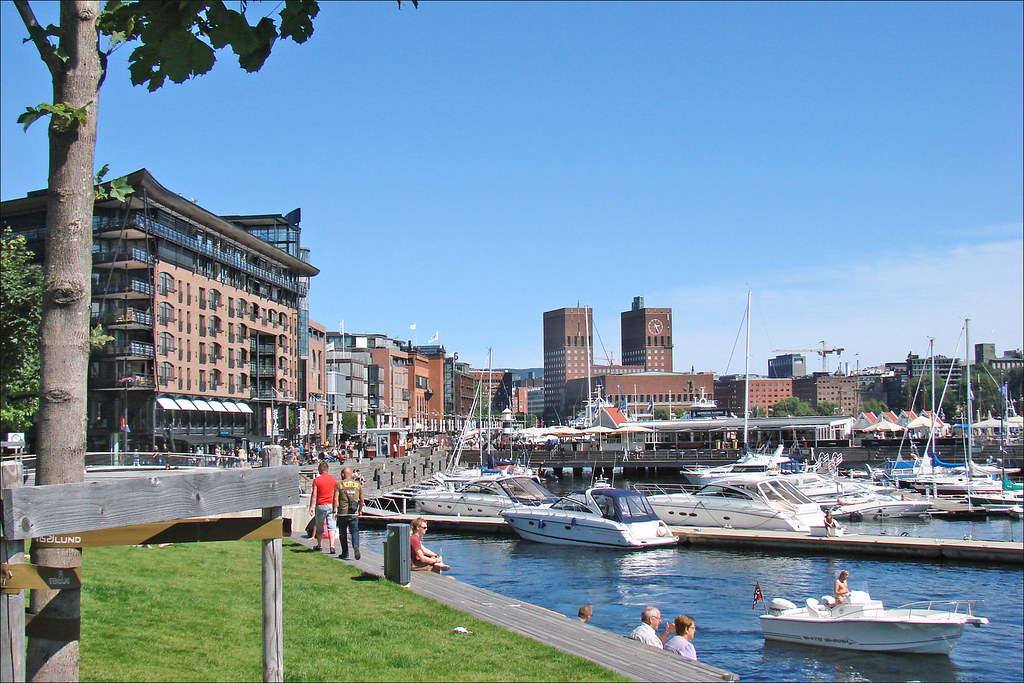
1. Norway
Norway is the most socially progressive country in the world. Norwegians have the strongest foundations of wellbeing of any country: they rank first in access to information and communications, second in ecosystem sustainability and third in health and wellness.
Norway also takes first place in water and sanitation, third in personal safety and second in personal freedom.
But Norway can still improve. Its worst score is in access to advanced education, where it ranks 16th. It can also do better on shelter and personal rights, where it ranks 14th and 11th respectively.
2. Sweden
Sweden is hard to beat. It is outside the top 10 in only two categories, shelter and personal rights, where it ranks 16th and 11th respectively.
Swedes lead the world in water and sanitation, tied with Norway, and they are third in nutrition and basic medical care, second in personal safety, fourth in health and wellness, sixth in personal freedom and seventh in tolerance and inclusion.
3. Switzerland
The Swiss do many things well, but when it comes to ecosystem sustainability they are the envy of the international community. They are also strong on personal safety, housing and personal freedom of choice. However, they rank 48th in access to basic knowledge.
They are also second in the world in meeting basic human needs and in providing the foundations of wellbeing.
4. Iceland
Iceland ranks first in water and sanitation, personal safety, and tolerance and inclusion, and second in nutrition and medical care and in health and wellness. It ranks third in access to information and communications.
Its only ranking outside the top 15 is in advanced education, where it is 27th.
5. New Zealand
It was the most socially progressive nation last year, but this year it has dropped four places.
New Zealand is tied for first in the world in water and sanitation and in personal rights, and second in providing opportunity for its people. It also ranks third in the world in access to basic knowledge and fifth in tolerance and inclusion.
When it comes to overall wellbeing, New Zealand still has a lot of work to do. It ranks 28th in nutrition and medical care and 34th in ecosystem sustainability.
6. Canada
Canada ranks first in the world in providing opportunity for its people, ninth in personal freedom and choice, and third in both access to advanced education and tolerance and inclusion.
However, it ranks 18th in access to basic knowledge and 25th in access to information and communications.
7. Finland
Finland ranks third in the world in meeting basic human needs, seventh in providing opportunity and eighth in providing the foundations of wellbeing for its people.
Finland is the world leader in nutrition and basic medical care, as well as in freedom of choice. It is also second in the world in providing shelter.
But it also needs to improve in ecosystem sustainability, where it ranks 43rd, in health and wellness (18th) and in water and sanitation (18th).
8. Denmark
Denmark is the most advanced country in the world when it comes to providing its people with basic human needs, including clean water, personal safety and shelter.
Danes also enjoy a high quality of life: the country ranks sixth in access to basic knowledge and fourth in information and communications, as well as in personal freedom and choice.
However, Denmark ranks only 26th for the health and wellness of its people.
9. Netherlands
The Netherlands ranks third in the world in providing shelter and is tied for first in water and sanitation. It is eighth in access to basic knowledge, second in access to information and communications and fifth in personal freedom.
10. Australia
Australia is tied with several countries for water and sanitation. It ranks seventh in nutrition and basic medical care and fifth in health and wellness.
However, it ranks 29th in access to basic education and 64th in ecosystem sustainability.
Places 11 to 20 go, in order, to the United Kingdom, Ireland, Austria, Germany, Japan, the United States, Belgium, Portugal, Slovenia and Spain.
See also: The 50 most popular countries for tourists
See also: The 5 most dangerous countries for women travellers
Featured image: Jean-Pierre Dalbéra, CC BY 2.0, via Flickr.