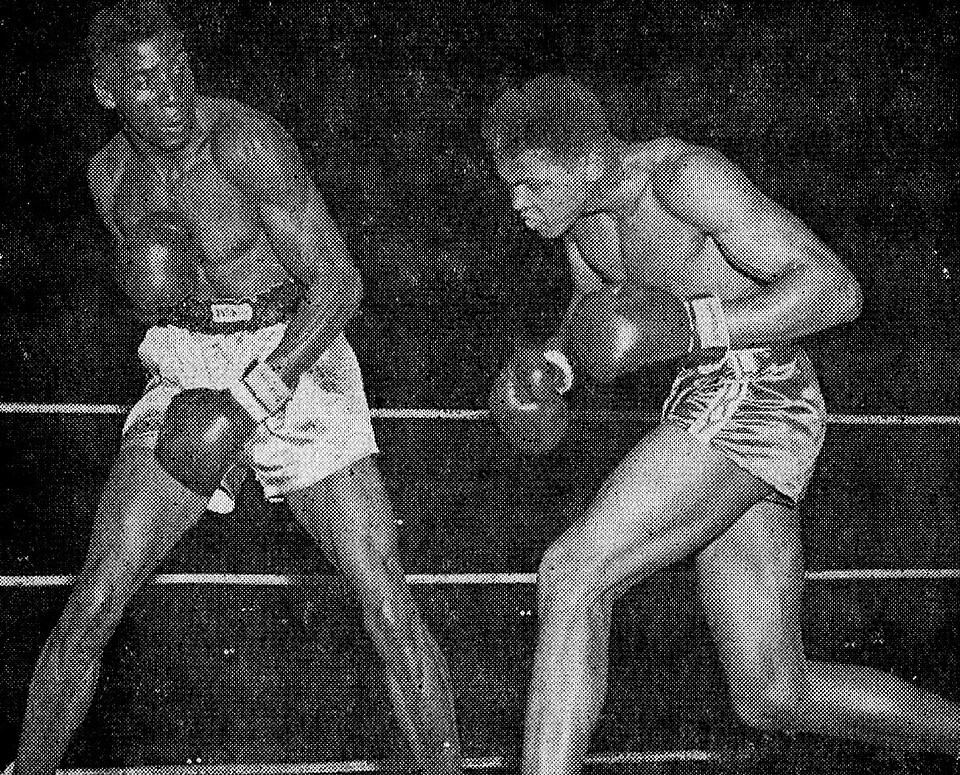
In a hard era when everything was stacked against a young Black man named Cassius Clay (later known as Muhammad Ali), he managed to win the Olympic boxing gold medal for the United States at just 18. But that milestone was only the start of a long fight and a string of obstacles that the man considered the greatest boxer of all time would have to overcome.
He could come across as arrogant, a loudmouth and a braggart. And yes, that’s exactly what he was, because he used the power of affirmations not only in private but also announced them to the whole world in public. That way there was no going back, no retreat. The only possible outcome was victory.
Remember that Muhammad Ali wasn’t only fighting his opponent in the ring, but every injustice in society. He didn’t just hit his rival hard; he hit racism and inequality too. And he didn’t just take punches from his rival, but from society as well.
The story goes that after winning the gold medal, he was refused entry to an establishment one day for being Black. At that very moment he threw the medal into a river. To give up? No. To go on to win the world heavyweight title and be remembered as the greatest of all time.
It was no bed of roses. After becoming world heavyweight boxing champion, he was unjustly stripped of the title without losing a fight and banned from boxing for three years. A break like that is usually enough for any boxer to lose his momentum, his skills and his motivation.
But Ali came back to win his boxing title once again, no longer as Cassius Clay but as Muhammad, which gave rise to the famous anecdote with the boxer Ernie Terrell. Ali had changed his name because Cassius was his “slave” name. Terrell joked about it and mocked him, refusing to call him by his new name, so during the fight Ali shouted “What’s my name?” with every punch. In the end, when Ali put Terrell down, he yelled at him: “What’s my name, fool?”
The affirmations and sayings of Muhammad Ali that made history
I’ll float like a butterfly and sting like a bee.
This expression, used by one of his trainers, ended up perfectly defining Ali’s flamboyant fighting style: he seemed to dance around the ring until the moment came to hit his opponent with devastating force.
“I hated every minute of training, but I promised not to quit. I told myself: suffer now and live the rest of your life as a champion”
Watching Ali, boxing might look easy, given the way he slipped punches. But Ali, like any other champion, didn’t win his fights in the ring; he won them through the effort and sacrifice of training.
If you want to succeed at anything, you’ll have to prepare, and you’ll have to work harder. You’ll have to be willing to make the sacrifice that the person you’re going to beat didn’t make.
“Champions aren’t made in gyms but in their minds. Champions are made from something intangible inside them: a dream, a desire, a vision”
People who know where they’re heading and have a clear goal, along with a burning desire to reach it, are already further along than 80% of people, because very few people know what they get up for every morning.
See also: “How much pain are you willing to endure?”: the most important question to ask yourself in life
See also: 25 habits of successful people
“I had to convince myself that I was the greatest of all time before I could convince the world”
Ali was clear that if he repeated certain phrases and thoughts over and over, he would end up conditioning himself to succeed.
We are what we believe we are, and the way you define yourself is what leads you to become the person you say you are. Hence the old saying: “whether you believe you’re worth a lot or believe you’re worth little, either way you’ll be right.”
“I told you. I’m the champion. I’m the greatest of all time”
Those were Ali’s words when he became world champion by beating one of the most feared boxers of the day, Sonny Liston.
Before the fight, Ali was already talking as if he had it won, making statements such as: “I am the greatest. Sonny doesn’t deserve to be champion.”
“Ninety-nine percent of the people coming to the fight are coming to see me, but they’re coming to see me lose. And they’re going to leave very disappointed.” After he said this, most people thought Ali was a show-off, until they saw Liston hit the canvas and Muhammad Ali become champion.
“Repeating affirmations leads to belief. And once belief becomes a deep conviction, things begin to happen”
Today we know, from a neuroscientific point of view, how effective it is to have the right belief system and how powerful affirmations are. In fact, it is practically impossible to succeed or to be the best at something if you don’t believe you can be the best. And the best way to believe it is to tell yourself so until the thought takes root in your brain.
“Anyone who isn’t brave enough to take risks will achieve nothing in life”
The biggest risk you can take in life is not taking any risks. Nobody succeeds without taking risks, because the opposite of taking risks is called the comfort zone. Success is always outside that zone. ALWAYS.
“Impossible is just a word used by the weak to live easily in the world they were given, without daring to explore the power they have to change it. Impossible is not a fact, it’s an opinion. Impossible is not a declaration, it’s a challenge. Impossible is potential. Impossible is temporary. Impossible is nothing.”
Muhammad Ali did the impossible. And everything suggests that he was able to endure the injustice, the brutal training and the hard fights thanks to his beliefs, his affirmations and his burning desire for those affirmations to become reality for the whole world.
That was the secret of the greatest boxer of all time.
See also: 8 universal truths for achieving success
Featured image: Unknown author, Public domain, via Wikimedia Commons.