

Editor’s note: This article was first published in March 2011 on 13 March, two days after the Japan earthquake and tsunami, during the Arab Spring uprisings and the 2010-2011 surge in commodity prices. Its forecasts for 2011 and the Euribor rate of 1.94% reflect that moment.
Once again the world is facing a situation that is completely unsustainable for the economy, and once again all the ingredients are in place to set off a new crisis, one that will obviously hit Spain much harder than other countries.
We are living through the uprisings in the Maghreb and the Middle East, drought in Russia and Ukraine and now a natural disaster in Japan. While millions of people are affected and some nations are pushed to the brink of poverty, thousands of others are scrambling to make hefty profits from these disasters.
On the morning of the Japan earthquake, while people all over the planet were grieving over what had happened, thousands of people were sitting in their offices designing their investment funds so that, far from improving the situation, they could make billions in profits from other people’s suffering. These disasters suit some people perfectly: they see a chance to get rich while others get poorer.
Consequences for Spain
Energy and oil
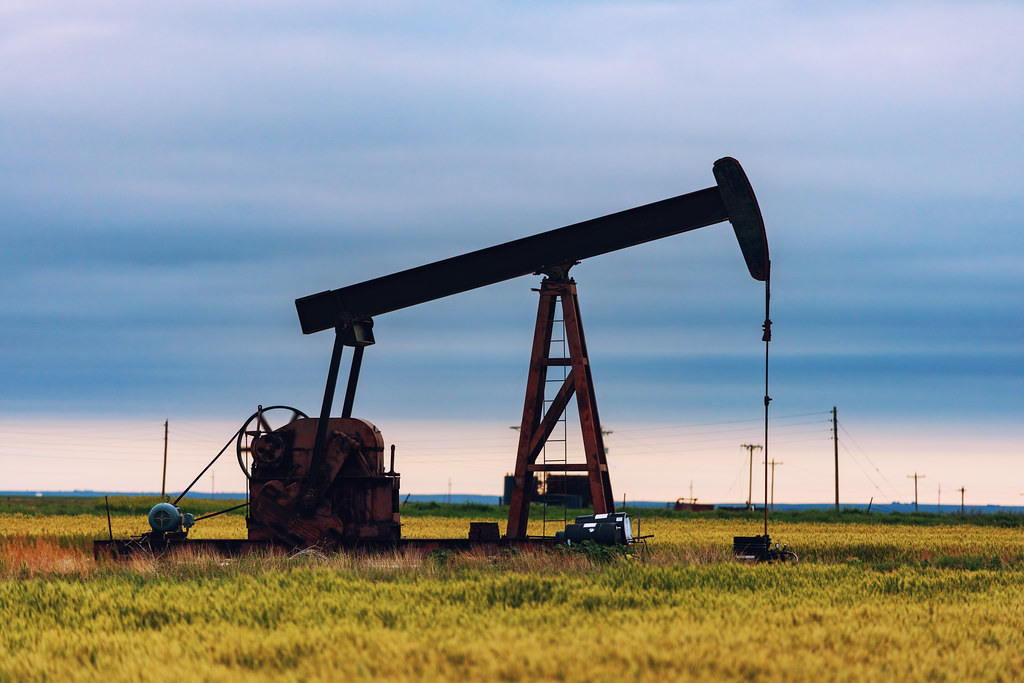
The popular uprisings in the Maghreb and the Middle East have sent energy prices soaring. Demand will rise on fears of scarcity, causing new inflation in these commodities. In reality there is no shortage, least of all of oil, when it is well known today that there are hidden reserves that remain untapped. As long as scarcity can be sold, prices can keep rising, fattening these companies’ profits, our governments can raise taxes, and so on.
Spain is not rich in raw materials, much less in oil and energy, where it imports more than 98% of what it consumes. So every time something happens, Spain loses out: without a sound energy policy, it is forced to pay more for transport. Of course, when we say Spain will be affected, what we really mean is Spaniards’ wallets.
See also: 500 euros: the mystery of money and global debt
Food: wheat and corn
The drought in Russia and Ukraine, together with uncertainty over China’s harvest and the floods in Australia, has pushed up the price of cereals. The crisis had already taken a heavy toll on Spanish livestock farming as demand fell; now farmers are hit even harder, because they have to pay much more to make animal feed or to buy it. This sector, which receives little support from the government, will find it hard to survive in 2011.
Metals
Scrap metal is rising, iron is getting more expensive and China keeps demanding copper. As these raw materials become more expensive, they first push up prices across industry in general, and they also fuel the wave of thefts we are seeing in Spain, where criminal gangs find the door wide open thanks to our toothless laws on these crimes.
Copper theft has cost Spain more than 4 billion euros, not only in the metal itself but in the damage done to power stations and railway lines, and, no less important, in some people’s lives. Today, the hunger for copper has given rise to gangs as dangerous as drug traffickers, or even more so.
Interest rates
The well-known Euribor (the benchmark rate for most Spanish variable-rate mortgages) is in the news again, which means mortgage payments will go up again: this Friday it was back at 1.94%, making life harder once more for families with a mortgage.
We are back to the perfect economic storm. All these circumstances together will push prices up, causing new inflation that, combined with consumers putting the brakes on spending, will once again devastate the country’s economy and even stop jobs from being created, since we could see yet another wave of business closures.
Yet while millions of people will see their purchasing power shrink, in many places an investment strategy for “commodities” (as raw materials are called in the financial markets) has already been drawn up.
As a rule, investing in commodities is profitable, because returns rise for investors when natural disasters, wars and all the situations everyone fears take place. Speculation on commodities can only happen at the expense of other people’s suffering, and it is the clearest sign that the world is not doing well.
A lesson in personal finance and investing: this is the dark side of investing. On the morning of the Japan earthquake, several brokers called me to make the most of the incredible investment opportunity “thanks to” the earthquake (their exact words).
As a rule, when investors can increase their returns, it is a sign that the crisis is getting worse. Right now there are very good returns to be had, which means new difficulties lie ahead for the economy. At least that is the indicator I use to gauge how the economy is doing, and it tends to be very reliable.
Featured image: Tony Webster, CC BY 2.0, via Flickr.


