Editor’s note: This article was first published in November 2011. The crisis forecast it reports (a decline until mid-2012, three years of stagnation, stabilisation from 2015–2016 and an end to the crisis in 2020–2023) and the new book it mentions date from then; that forecast period has since passed.
Some would see this forecast by the economist Santiago Niño Becerra as madness, but if we analyse the situation in depth, the truth is that it would be far more reasonable to think that the crisis could stretch on until 2020 than to think it might end in 2014.
Arsenio Escolar, journalist and editor of 20minutos.es, reminds us of this economist and professor at Ramon Llull University, Santiago Niño Becerra, who, incidentally, has just published a new book entitled Más allá del crash (“Beyond the crash”). I haven’t read the book, but Mr Escolar has written a short summary on his blog with some highlighted paragraphs that warn of a real economic situation we have already discussed on occasion.
We should remember that Santiago predicted the arrival of the crisis back when the world was living its “false life on credit”, to the point of earning the label of apocalyptic economist. According to Santiago (and many other people), this crisis is more serious than we have been led to believe.
I disagree with him on only one thing: he thinks this crisis began in 2010, whereas I’m almost certain that we have been dragging this crisis along since 1991. We incubated a virus that we introduced into the financial system and didn’t notice it was there until we had reached a total excess of debt. Because, as this economist rightly says, the problem is not the big individual problems such as Greece, Italy or Spain, but the main and biggest problem that encompasses them all: debt.
Santiago speaks of a systemic crisis. If a state gets into debt, money can be injected into it to pay the debt; likewise, if a bank gets into debt, it can be bailed out; and if families got into debt, that was a very good sign for the economy, as some ministers used to say, since according to them debt generates consumption and wealth.
The main problem is global, total debt: banks, governments, individuals and entire families have all been left in debt, and the capacity to take on more debt has run out. Add to that high unemployment, which prevents money from coming into the public coffers through taxes; the money going out to pay unemployment benefits; the credit crunch, which stops consumption from picking up; and, as a result, the very fear that makes people save instead of spend. We wouldn’t call the outlook grey, but rather black.
If we follow Santiago’s “thesis”, the crisis would last until 2020–2023, with an initial phase of decline until mid-2012, followed by around three years of stagnation during which some already-designed structural changes would take place. From 2015–2016 the situation would gradually stabilise as the workings of a new model were put in place.
And finally, perhaps the paragraph that struck me most, precisely because we were discussing it only yesterday:
What is coming for the world economy is terrible. Lending will keep falling, consumption will shrink, defaults will rise, tax revenue will fall, there will be lower growth, more unemployment and fewer public services and, in general, “a decline in the population’s quality of life”.
We are aware that the crisis will not end in the second half of 2012, as some analysts were saying only yesterday, although we hope the necessary measures will be taken as soon as possible so that the scenario Santiago describes doesn’t come about either. Still, I’d like to take this opportunity to recall, as Arsenio Escolar rightly said, that Santiago Niño Becerra is no charlatan, but someone whose previous book hit the nail on the head about the current situation, right down to the last detail.
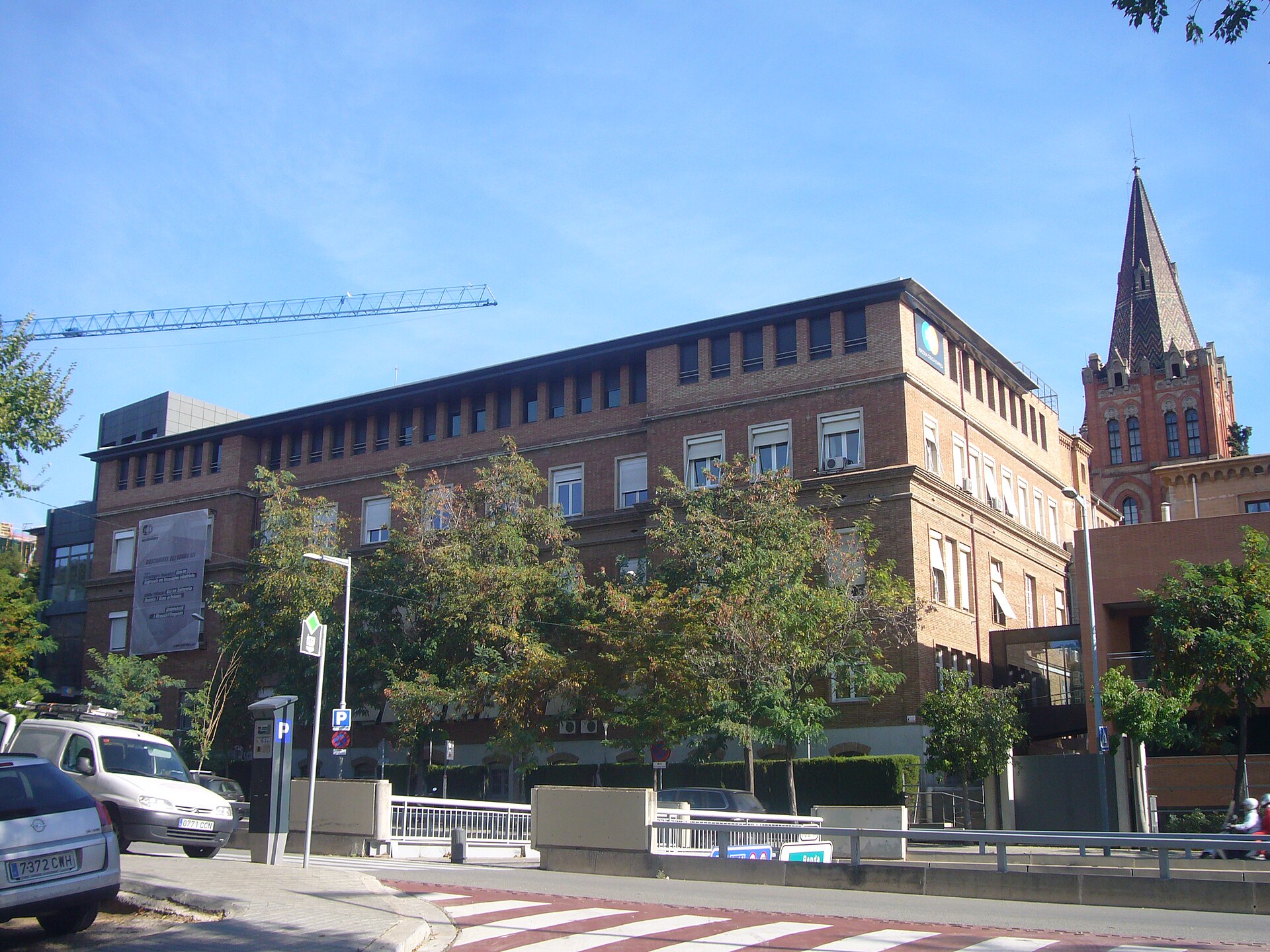
Featured image: Jordiferrer, CC BY-SA 3.0, via Wikimedia Commons.