Editor’s note: This article was first published in April 2011. At that time pink slip parties had just reached Spain and were held only in Madrid, and the tips mentioned, such as augmented-reality CVs and Skype interviews, reflect that year.
The pink slip party concept has arrived in Spain. This idea, imported from the United States, looks very promising. For now, the two entrepreneurs organizing these events have set up this unusual way of finding a job on a non-profit basis.
How does a pink slip party work?
It’s a get-together that is mainly for exchanging personal views, with the added advantage that you may find a job at the end of it.
First, a “moderator” is chosen to open with a talk offering tips on active job hunting, the opportunities the internet offers, how to use augmented-reality CVs (a topic for another day) and how to get more out of interviews over Skype.
Recruiters or employers from companies, usually from human resources, are also invited. These guests, who attend voluntarily and free of charge, wear a green sticker.
Unemployed people are invited too, and they are given a pink sticker (the same colour as the dismissal notice in the United States).
Finally, the third group of guests wear a blue sticker: people currently in work who are thinking about changing jobs, or at least don’t rule it out.
Once everyone is together, they start exchanging opinions and mingling. The aim of the initiative is not to create a job fair, but it’s true that, thanks to the contacts they make, some of these people end up getting a job through the recruiters who attend.
For the rest, who aren’t so lucky, it has been shown that the experience marks a before and after, in the sense that they become much more active in their job search after receiving some useful tips.
For now, these pink slip parties are being held in Madrid, although the organizers are already looking for ambassadors in other Spanish provinces. It’s a good initiative, without a doubt.
Further reading
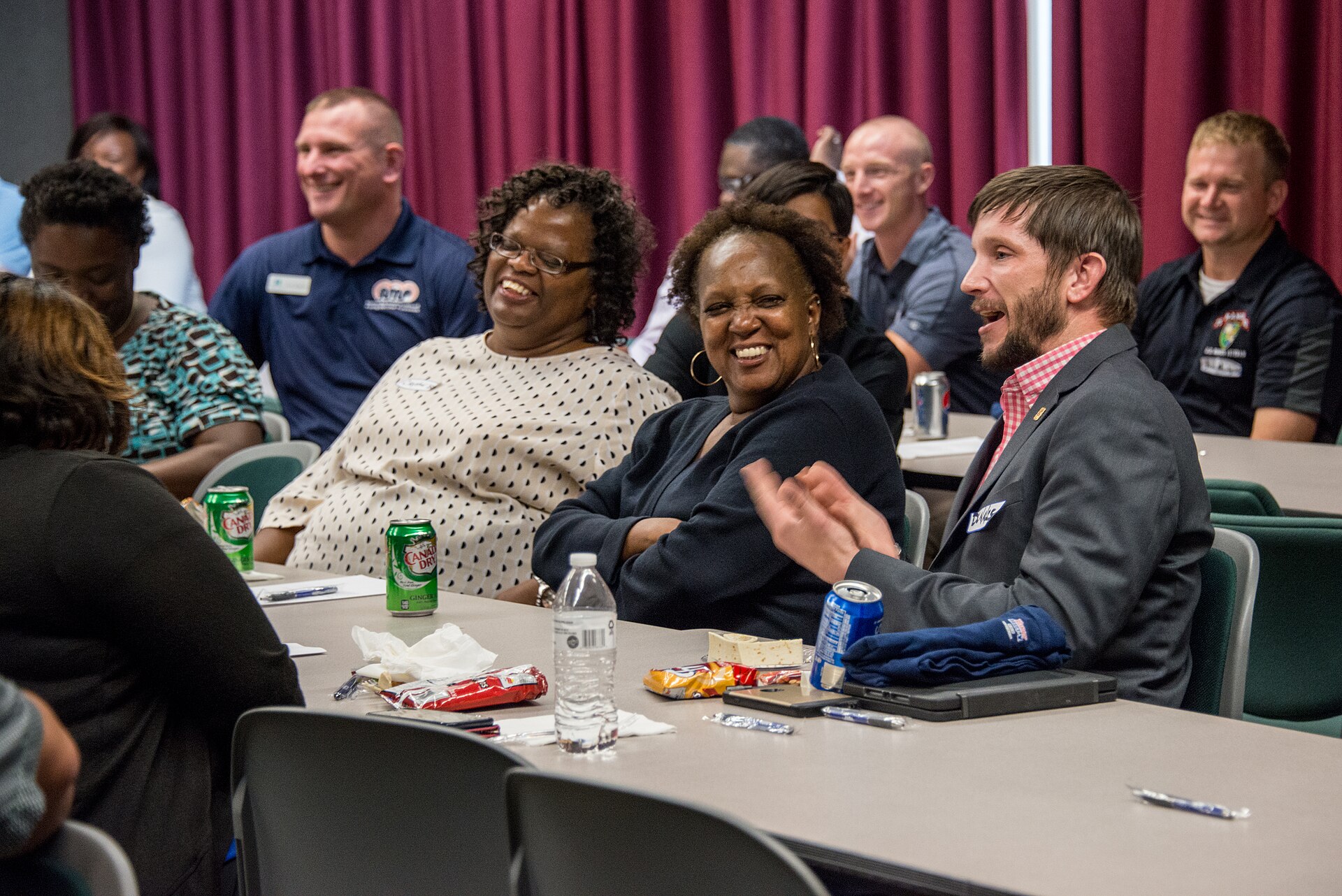
Featured image: Savannah River Site, Public domain, via Wikimedia Commons.