Editor’s note: This article was first published in July 2011. The ‘more than 50 million’ mobile lines in Spain, the roughly €100 million the scam is said to earn, and the rules on premium-rate numbers and SMS reflect that year and may have changed since.
Among the companies that receive the most complaints from consumer organizations are the phone companies, which send out bills that consumers find “impossible to understand”, in many cases even including “premium” services the user never signed up for. That is the case with the latest scam doing the rounds on mobile phones.
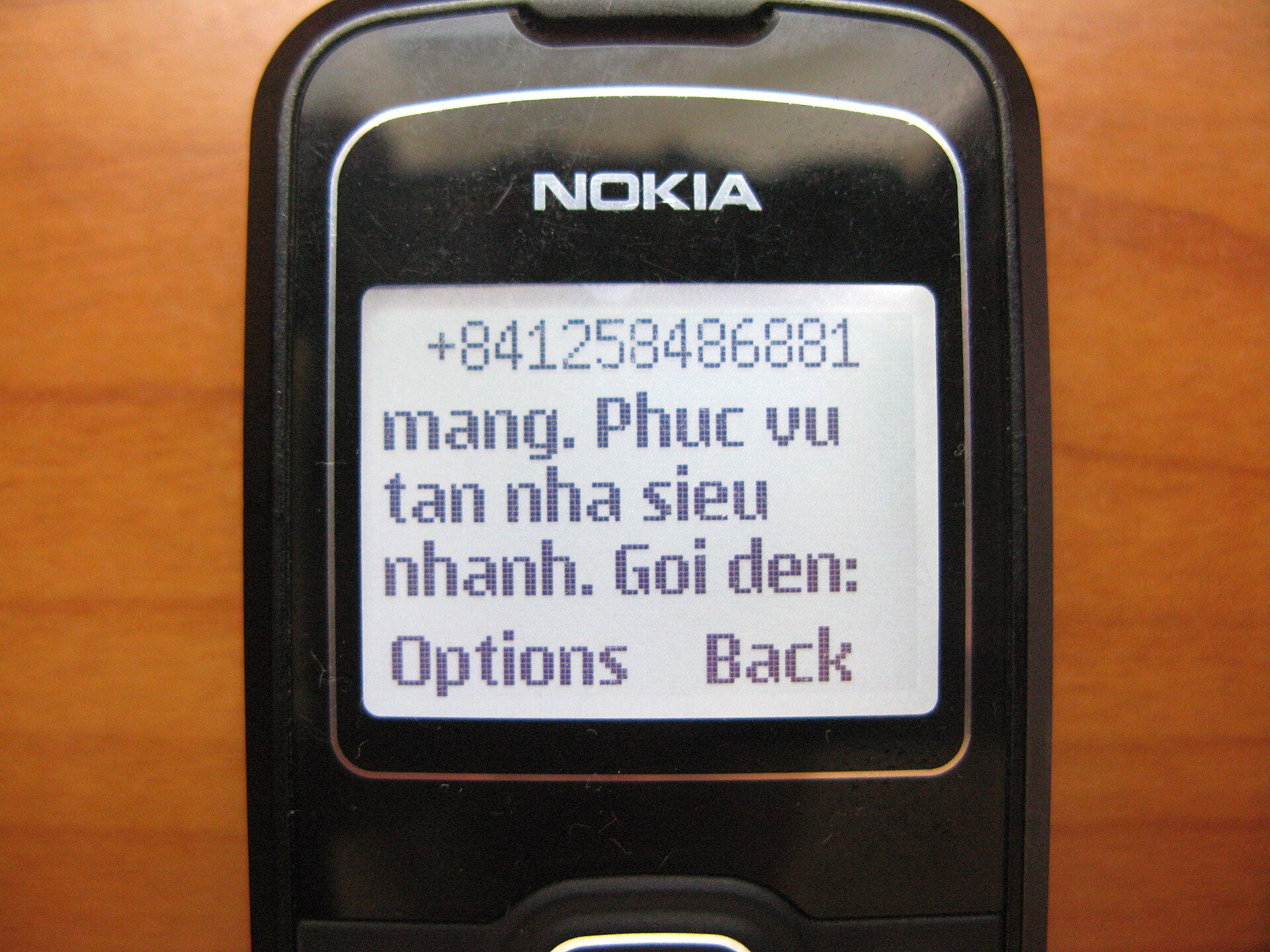
Every day, millions of people receive messages as simple as “Hi, it’s Rosa, I miss you. Call me”, “Hi, remember me? I’d love to do it again”, or simply messages from girls offering free… “intimate” encounters. By now we all know that when these messages come from an 806 number (a Spanish premium-rate prefix), there’s a catch. What’s more, these companies are required to state the cost of the call or message in case we reply.
The problem starts when these companies break the rules and state neither the price of the message nor the cost of the call. Worse still, the number is no longer an 806 but may be a 635, a 647 and so on, because call forwarding is used to confuse the user. When these messages are sent to the more than 50 million mobile phones in our country, make no mistake: plenty of users fall for it, even more than you might imagine, so this business is profitable for both the scamming company and the phone company.
Replying to one of these messages activates the premium service, so from then on you may receive around 10 or 15 of these messages a day, each of which is charged to your monthly bill. To unsubscribe, you are asked to send a message or call a phone number they give you. In this way, just from people cancelling a service they never signed up for, these companies make around 100 million euros in Spain.
Citizens file their complaint with FACUA (a Spanish consumer rights association), and FACUA reports it to the Ministry of Industry. Before an investigation into those behind these lines can be opened, the 806 number is cancelled and replaced with another, and everything goes back to square one. When the phone companies are asked for an explanation, they say it has nothing to do with them, since they are not responsible for sending the messages. They are, however, responsible for charging for every message sent from the handset. “Pay first, complain later.”
It is claimed that the phone companies could apply filters to stop these messages being sent, but it is not in their interest to do so, since they make millions from them. Meanwhile, our Ministry of Industry neither takes a stance nor does anything about it, so citizens are left completely unprotected, with no law to shield them in these cases.
Further reading
Featured image: Phó Nháy, Public domain, via Wikimedia Commons.