Editor’s note: This article was first published in September 2013, when the first signs of recovery in the eurozone and Spain were appearing after the austerity measures of 2011–2013. Rajoy left office in 2018.
For the first time since the crisis began, we are receiving good economic news that would lead us to think of an economic recovery in the eurozone in general and in Spain in particular. Spain was an overweight person who needed to lose a few kilos to improve their health. To avoid getting into economic technicalities, let’s imagine that Mariano Rajoy, instead of being Prime Minister of Spain, had been a prestigious dietitian.
In through the door comes a 250 kg fat man who is on the verge of arterial collapse. He struggles to walk and even to breathe. He has to lose weight, no matter what. So he walks into Doctor Rajoy’s clinic to see what can be done.
Doctor Rajoy consults several colleagues, who advise him to perform a stomach reduction and make a drastic change to the man’s diet. But the doctor isn’t convinced, and he consults his boss, a certain Doctor Merkel-Morte, who says: “Stomach reduction? That’s nonsense. The only scientifically proven way to lose weight is to stop eating.”
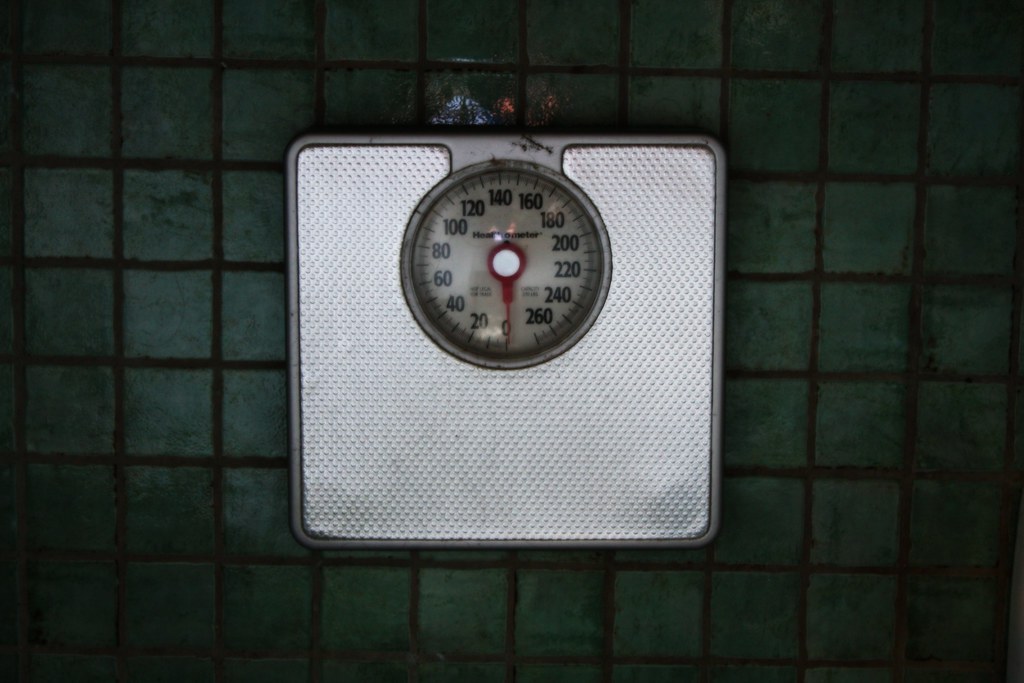
So Doctor Rajoy forces the 250 kg man not to eat for a month. After 30 days, they put the fat man on the scales and find that he has lost 20 kilograms. He now weighs only 230 kg, a positive event for the world of dietetics. The diet has worked, so let’s keep going.
After two more months of keeping the poor fat man on nothing but water, he starts having health problems. He can no longer get out of bed, he is completely dizzy, and people demand explanations from Doctor Rajoy and Doctor Merkel-Morte.
They manage to get the fat man up as best they can and put him on the scales in front of the cameras, while the doctors say:
“They left us a 250 kg fat man and now he weighs only 205 kg. Clearly we have done a great job, and the fat man now weighs a lot less. We know he can’t move, but with a little more effort, when he weighs only 150 kg, he’ll thank us.”
The poor fat man’s problem is that his cells are crying out for food, so even though he has lost 45 kg, sooner or later he will have to eat again (and put some of the weight back on) or he will die. One way or another, the fat man already has irreversible damage to some of his organs.
That is how the economic figures are being improved: we see a less fat fat man whose cells are dying for lack of food. And that situation is unsustainable for the cells and organs, and therefore for the fat man.
*We have nothing against people with obesity, but we do have something against bad “economic dietitians”.
Featured image: Mason Masteka, CC BY-SA 2.0, via Flickr.