Editor’s note: This article was first published in September 2012. The author’s portfolio figures, the Spanish sovereign debt paying over 7% and the remark about gains since 1 August refer to 2012. The stocks named have changed a lot since; Gamesa merged with Siemens’ wind business in 2017.
This is the eternal, mysterious question, and we’ll hear all sorts of answers from stock market experts and from others who like to pass themselves off as experts. To answer it, I’m going to use an article written on Rankia by someone I consider sensible when it comes to these topics. His name is Fernando, and in his article “Cómo es la bolsa en realidad” (“What the stock market is really like”) he sets out a view that is very common in high places: in the stock market, if you manage to make 8% a year, you could celebrate in style. It’s sensible and it has its logic, but despite being logical and sensible, and with all due respect to him, I can’t agree, because if I’m going to make 8% in the stock market, I’d rather buy sovereign debt (which has paid over 7%) or put my money in fixed-term deposits.
The question isn’t what a normal return would be, but how much time and effort you’re going to devote to the stock market. Since Fernando’s article is very thorough, let’s go through the points where I think he isn’t right, even though they have their logic.
The “snake-oil sellers”
It’s true that we’ll hear people say they make 5% a month in the stock market, or that every year they make more than 60%. They’re considered “snake-oil sellers”, because it isn’t normal or logical and, frankly, it’s close to impossible.
Of course, on many forums anyone who claims never to have lost money in the stock market is considered a “snake-oil seller”. Well, for more than 10 years I seem to have been one, because I never had losses in the stock market, until this year, when I published that I had built up a negative return of -18.97%, mainly because I kept applying my investment system in a bear market with two falling stocks in my portfolio.
In the end I took all my capital out with a loss of roughly -22%, waiting for the IBEX to show signs of a rebound and for my main investment (Gamesa) to find solid support, which it finally did at €1.
Gamesa alone has already given me a 75% return, and those of you who follow us will have seen that the diversification we recommended into stocks such as Ezentis, Vértice, Biosearch and so on has paid off. The portfolio’s total return currently stands at +47%. Even though that isn’t what’s logical and normal, in a rising market and picking heavily beaten-down stocks, it’s certainly the most normal outcome.
Does that mean I’ll get another 47% next year? I have no idea, but if I invest in the stock market it’s to try to achieve figures like that; otherwise it isn’t worth the risk or the time I put in. As you’ll have noticed, I’ve even neglected the blog somewhat because of everything that’s been happening in the markets.
If you make 30% a year in the stock market, you’ll be rich
Fernando gives the example of the returns of the great stock market investors, so at first glance it’s true that if you make 40% every year, considering that Buffett makes only 30%, we’d be rich. FALSE. I know people who make more than 30% in the stock market year after year and yet are very bad at managing their money. They don’t reinvest their profits, they’re forever changing cars, and they treat themselves to a few luxuries they can afford.
I know other people who enter the market only at specific moments and have an annual return of more than 30%. These people don’t write blogs or appear on television, and they are investors in every sense of the word. They do, however, keep up with everything that happens in the markets.
I know a young man (with a lot of potential) who lost his job. With just €2,000 of savings, he pays his rent and personal expenses every month and still manages to grow his savings. If he posted on a forum he’d be considered a “snake-oil seller”, because last year he made an 80% return and this year he’s already close to 110%. He has had several interviews for jobs in the investment world, and the doors were closed to him because he doesn’t have a university degree. That’s why, when we talk about the best fund managers in the world… are we sure they’re the best?
On the other hand, a 10% return on an investment of 1,000 million euros is not the same as an 80% return on an investment of 1,000 euros. And if, on top of that, we spend the money we make…
Finally, I’m totally convinced that Warren Buffett could have made three times that return just by getting out at the first sign of a stock falling and getting back in during the recovery. Mr Buffett has held Coca-Cola shares for decades, whether they lose 20% or gain it. His investment method is strictly long term. In the market, almost everyone can tell when a stock is about to plunge at a given moment. He chooses to stay in, but you are not Warren Buffett.
One thing I’m sure of: when the crisis ends, many of the stocks on the secondary market (the ones that haven’t disappeared) will rise by more than 500%, and some will reach 5,000%. So “normal” is very relative.
The main investing mistake
I’ve made plenty of mistakes, as I imagine everyone has: I’ve let losses run and haven’t let profits run. But there’s one mistake I’ve already learned from, and it’s one many investors make. Being an investor doesn’t mean you have to invest every day, because the market has its cycles.
I make another mistake, which is not investing in both directions of the market. In other words, as a matter of principle, I have never bet against a stock (short positions) until now, and believe me, if I had, my returns would be much higher.
Right now I have trailing stop-losses on every single stock. As those stop-losses are triggered, I’ll gradually leave the market, as I did in 2007. Sometimes it’s a good idea to stay out of the stock market for a few months. I think we’re close to one of those moments, when the risk is no longer worth the potential return.
In short
A year is a long time, and the market goes through different phases over those 12 months. To get a better return, you need to know when to let your capital rest.
The more trades you make, the greater your risk of losses. That’s why we always warn about the dangers of trading, especially if you use trading on credit. Sometimes a single loss wipes out the gains of three winning trades.
It may sound like snake oil, but while a 30% annual return year after year isn’t normal, it isn’t normal either for someone who follows the markets closely not to make 15% a year, since that can be achieved with just three market rebounds. Then again, it wouldn’t be logical or normal for someone who puts in the minimum effort to get a better return than someone who devotes about 8 hours a day to the markets.
In that case, forget about Robert Kiyosaki.
Kiyosaki sold us stock market investing as an asset that makes you money while you’re on holiday on an exotic beach. I’m not saying you can’t do it, but between one mojito and the next, keep an eye on how the markets are moving and on the financial news, especially news that directly or indirectly affects the shares of the company you invested in.
And one last thing, speaking of what’s logical and normal: the normal thing is that anyone who got into the stock market on 1 August will have made more than a 20% return by today. If they haven’t, they should look at the mistakes they made. If that person stays out of the market when it goes through a correction, they’ll already be above the supposed average return.
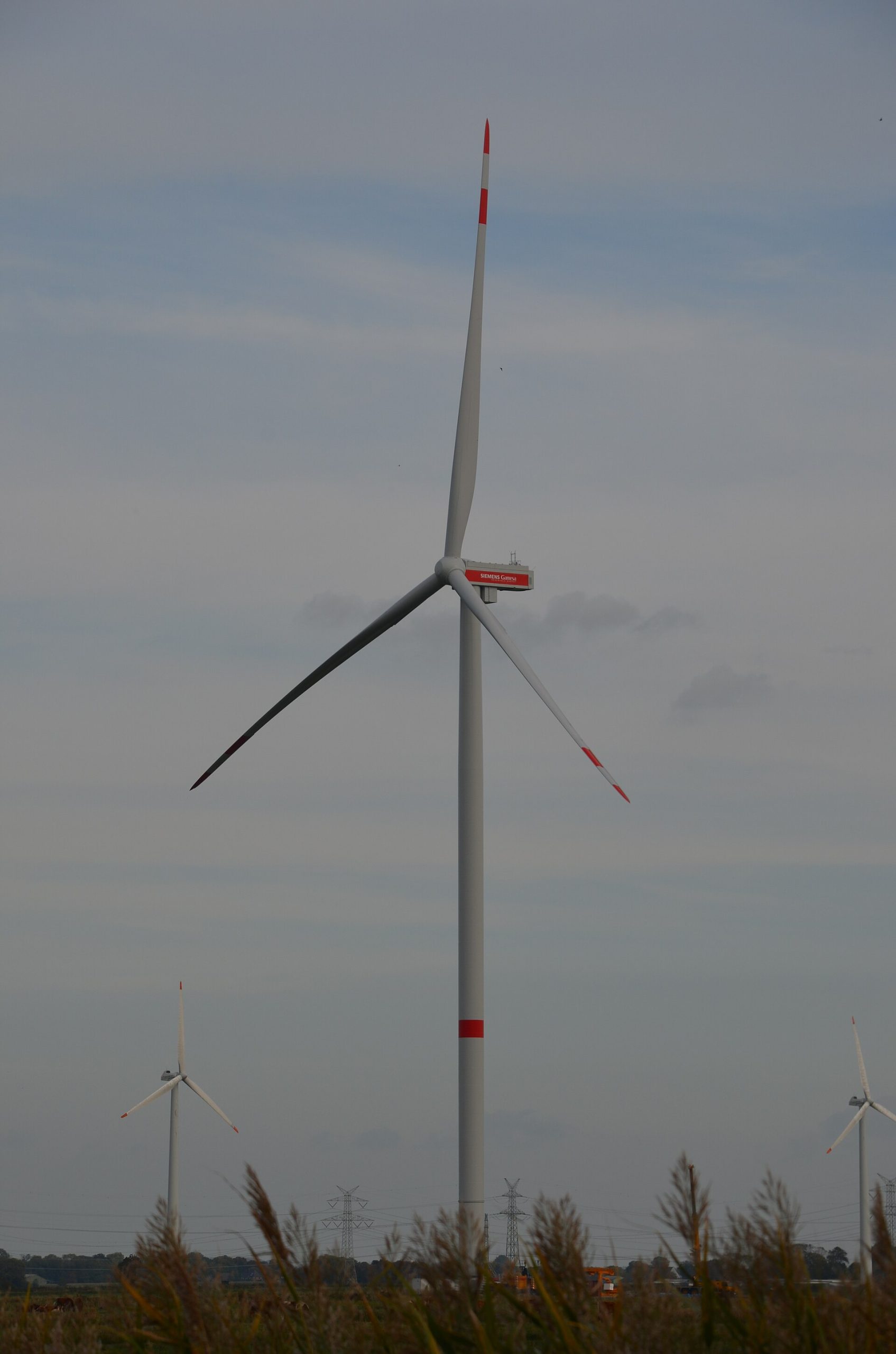
Featured image: Windkraftfan SH, CC BY-SA 4.0, via Wikimedia Commons.