

Editor’s note: This article was first published in June 2011. It reflects the post-Fukushima debate, Germany’s planned nuclear phase-out (completed in April 2023), US spending on alternative energy under Obama, and Spain’s hybrid-car grants and solar subsidies as they stood then.
If you had asked me just eight months ago whether renewable or alternative energy was the future, I would have said yes without a second thought. Today I’m not so sure, at least as far as the short or medium term is concerned.
Honestly, when you’re not an expert in renewables and you listen to the different arguments experts put forward, you end up not knowing whether these energy sources simply aren’t profitable, or whether it all comes down to other economic interests that would keep them off the market until most of the other energy sources, such as oil, have been used up. We take an in-depth look at the subject.
The Fukushima disaster opened up a debate about the need for alternative energy, and some governments cooled on nuclear power. The fact is that we citizens are not professionals in this field: the average person only weighs up the danger of a nuclear plant, not the possible economic consequences of shutting these plants down.
Germany has taken drastic measures and will deactivate all of its nuclear reactors over the coming years. Some experts say that the German nuclear plants will be replaced by fuel-fired thermal plants, which makes no sense from the point of view of “green” activists, since this measure would make global warming even worse.
However, if it formally takes this decision, Germany would be forced to buy electricity from other countries, most likely from its French neighbour, whose government favours nuclear power. Germany would pay more for that energy than if it generated it itself, and France would come out ahead in the deal.
Alternative energy is not enough
The United States made a heavy investment in alternative energy such as wind and solar power, ethanol and other alternative fuels. On this point, experts of the stature of Guy Sorman argue that Obama has thrown away billions of dollars if he thinks that will be enough. Sorman’s argument runs roughly as follows:
A unit of solar or wind energy costs five times more than a unit produced from coal, gas or nuclear power. What’s more, the ideological champions of alternative energy play down the environmental impact it has […]
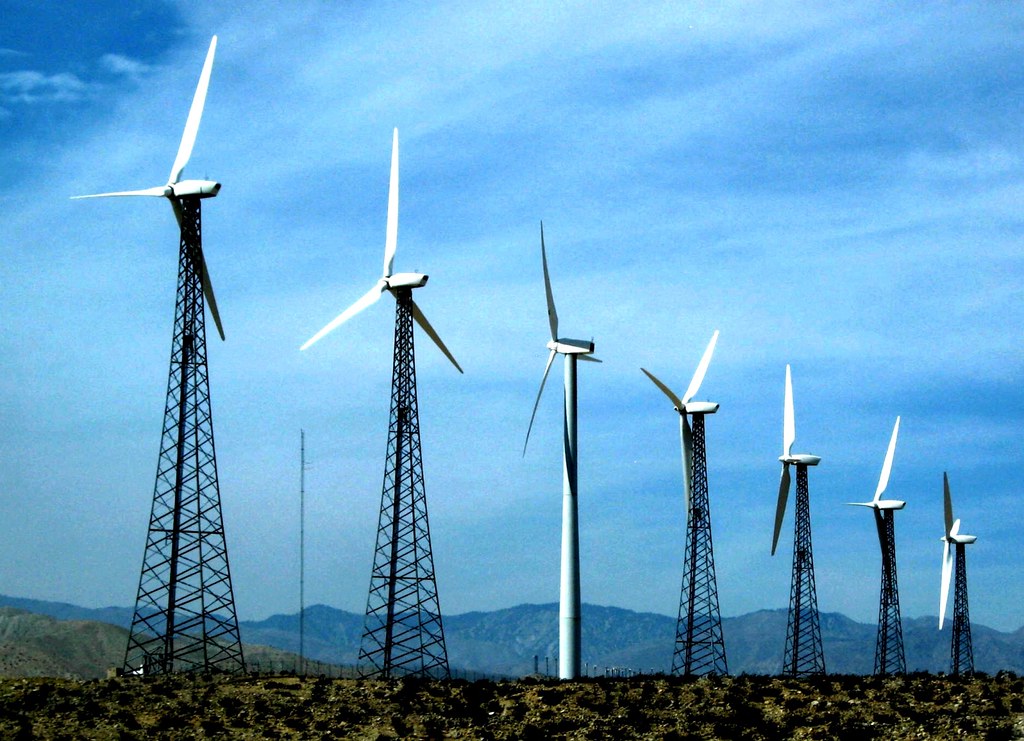
[…] To generate one megawatt of electricity, a wind turbine needs 50 tonnes of steel to build and 1.3 square kilometres of land, so to meet California’s energy consumption you would have to cover the entire state with solar panels and have the sun shine every day […]
[…] Gas generates ten times less carbon emissions than biomass or ethanol, resources and products that environmentalists passionately defend […]
When it comes to biofuels, the explanation is very similar, and one of the most reasonable alternatives is to promote the hybrid vehicle. The problem is that, in Spain at least, manufacturers aren’t pushing hard to sell them and consumers aren’t very interested in buying one, despite the grants the government is offering. And of course, with or without a grant, a hybrid is still expensive compared with petrol-powered cars.
Finally, when interest in solar power, solar farms and the like first took off, the state helped with various subsidies. Once interest grew, it withdrew its support for this business, which had promised to be profitable and ended up costing small private investors money: although the power companies had committed to buying the electricity generated, no one had counted on the panels having a shorter useful life than the time needed to turn a profit.
So, are renewables an investment for the future? As long as there is oil left… in the short and medium term… I don’t know.
Featured image: John William Hammond, Public domain, via Flickr.


